Choosing the perfect name for your business isn’t just about sounding good—it’s about making a powerful first impression that sticks in people’s minds. Your business name will be the foundation of your brand, the way customers find you, and how they remember you.
So, how do you come up with a name that’s catchy, meaningful, and built to grow with your dreams? You’ll discover simple, practical steps to brainstorm, test, and secure a business name that truly fits your vision. Stick with me, and by the end, you’ll have the confidence to name your business like a pro.

Credit: looka.com
Brainstorming Name Ideas
Brainstorming name ideas is the first step in creating a strong business identity. It helps generate many options to find the perfect fit. This process encourages creativity and clarity about your brand.
Start by gathering a list of words related to your business. Think about your product, values, and audience. Let your mind explore different combinations and styles.
Tell Your Story
Use personal experiences or local terms to add uniqueness. Names connected to your background or location feel authentic. This approach can create a deeper connection with customers.
Play With Words
Try alliteration, rhymes, and puns to make your name catchy. Combine two words or use acronyms for a fresh look. Wordplay makes names more memorable and fun.
Be Descriptive
Choose a name that clearly shows what your business does. It helps customers understand your purpose quickly. Simple descriptions build trust and reduce confusion.
Use Creative Categories
Explore different types of names: descriptive, abstract, compound, or invented. Each style offers unique advantages. Experiment to see what fits your brand personality best.
Leverage Tools
Use online business name generators for inspiration. Input keywords related to your idea. These tools spark creativity and provide fresh suggestions you might miss.
Refine And Test Your Ideas
Pick names easy to spell, say, and remember. Avoid complicated or long words that confuse people. Test names by saying them aloud in noisy places to check clarity.
Consider Scalability
Choose a name that allows future growth. Avoid narrow names that limit new products or services. Think long term about how your business might evolve.
Think About Your Audience
Research competitors’ names to find gaps or trends. Select names that resonate with your target customers. Understanding your audience helps create a stronger brand.
Check For Availability
Search online for your chosen name to avoid duplicates. Verify domain name availability for your website. Secure matching social media handles if possible.
Telling Your Brand Story
Using name generation tools can simplify the process of finding the perfect business name. These tools use keywords to create unique name ideas. They save time and spark creativity. Anyone can use them, even without marketing experience.
Name generators combine words, add prefixes or suffixes, and suggest fresh options. They help avoid common or overused names. Many tools offer filters for industry, style, or length. This makes results more relevant and focused.
How Name Generators Work
Most name generators ask for keywords related to your business. Then, they mix those words with popular prefixes, suffixes, or other terms. They produce a list of possible names instantly. Some tools also check domain availability automatically.
Benefits Of Using Name Generation Tools
These tools provide many name ideas quickly. They reduce the stress of brainstorming alone. Name generators inspire creativity by combining words in new ways. They also help find names that are easy to remember and spell.
Popular Name Generation Tools To Try
Several free and paid name generators exist online. Examples include Shopify Business Name Generator, Namelix, and NameMesh. Each has different features and filters to explore. Testing multiple tools gives a wider range of ideas.
Tips For Using Name Generators Effectively
Start with clear keywords that describe your business well. Use simple, common words to get easy-to-understand results. Review all suggestions and note your favorites. Check each name for trademarks and domain availability before choosing.
Playing With Words
Choosing a business name involves more than creativity and appeal. Legal considerations and trademarks protect your brand and avoid costly conflicts. Understanding these rules helps you pick a name that is both unique and lawful.
Trademarks give exclusive rights to use a name or logo in commerce. Registering a trademark prevents others from using a similar name that confuses customers. This protection builds brand recognition and trust.
Before finalizing your name, check existing trademarks carefully. Using a name already trademarked can lead to legal battles and force a name change later. The process includes searching trademark databases and consulting legal experts if needed.
Conducting A Trademark Search
Start by searching the United States Patent and Trademark Office (USPTO) database. This database lists all registered and pending trademarks. Look for names that sound alike or share similar spellings.
Check state-level trademark databases as well. Some trademarks are registered only at the state level. This step reduces risks of infringement within your state or local area.
Understanding Trademark Classes
Trademarks are grouped into classes based on products or services. A name may be free in one class but taken in another. Identify your business category to focus your search on relevant classes.
Registering your trademark in the correct class ensures full protection. It limits others from using your name in the same industry.
Legal Restrictions On Business Names
Certain words and phrases may be restricted or require approval. These include government-related terms or names implying illegal activities. Check local business naming laws to avoid prohibited terms.
Your business name must not be misleading. It should accurately represent your products or services. Avoid names that confuse customers about your offerings.
Register your business name with state or local agencies. This step secures your right to use the name in your area. It also allows you to open bank accounts and sign contracts under that name.
Filing a “Doing Business As” (DBA) can protect your chosen name if you operate under a different company name. This registration is often simpler and less costly than trademark registration.
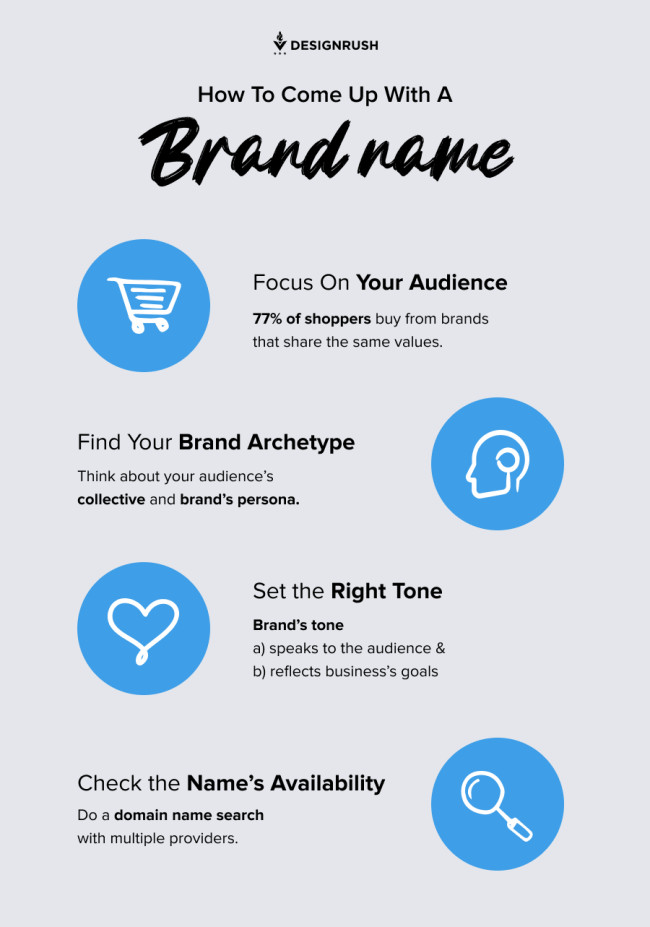
Credit: www.designrush.com

Credit: www.flyingsolo.com.au
Frequently Asked Questions
How Do I Create A Catchy Business Name?
Brainstorm creative words using alliteration, puns, or your brand story. Choose a simple, memorable name. Check domain and trademark availability before finalizing.
Is It Smart To Put An Llc In Your Name?
Putting an LLC in your name protects personal assets and simplifies management. It suits solo entrepreneurs wanting liability protection.
What Names To Avoid For Llc?
Avoid LLC names that are already in use, misleading, offensive, or imply government affiliation. Also, exclude restricted words like “bank” or “insurance. ”
How Can I Check If A Business Name Is Available?
Check business name availability by searching your state’s business registry, trademark databases, and domain name platforms. Also, perform a Google search to spot existing uses. Register the name once confirmed available.
What Are The Best Ways To Brainstorm A Business Name?
List words related to your brand, use alliteration, puns, and mix ideas for uniqueness.
How Can I Make My Business Name Easy To Remember?
Choose short, simple words that are easy to spell and pronounce aloud.
Should My Business Name Reflect My Products Or Services?
Yes, a descriptive name helps customers understand what your business offers quickly.
How Do I Test If My Business Name Works Well?
Say it out loud, ask friends, and check if it’s easy to understand in noisy places.
Why Is Checking Domain Name Availability Important?
A matching domain makes your business easier to find online and builds brand trust.
Can I Use Acronyms Or Abbreviations For My Business Name?
Acronyms work if they are simple and memorable, but avoid confusing or long ones.
Conclusion
Choosing the right business name takes time and thought. Start by brainstorming simple, clear ideas. Test names by saying them out loud and checking for easy spelling. Make sure the name fits your brand and can grow with your business.
Always check online for availability and trademarks to avoid problems. A good name helps customers remember you and builds trust. Take your time and pick a name that feels right. This step sets the foundation for your business success.