
Have you ever wondered what happens behind the scenes when you use AI tools like ChatGPT? While AI feels like magic, it actually relies on massive data centers that consume huge amounts of energy and water.
This means your everyday AI interactions have a real impact on the environment—one that’s growing as AI becomes more popular. But what exactly does this mean for the planet? You’ll discover how AI affects the environment, the hidden costs you might not expect, and what you can do to help reduce its footprint.
Stick around to learn how your choices matter in the future of AI and our world.
Credit: libguides.ecu.edu
Energy Use In Ai
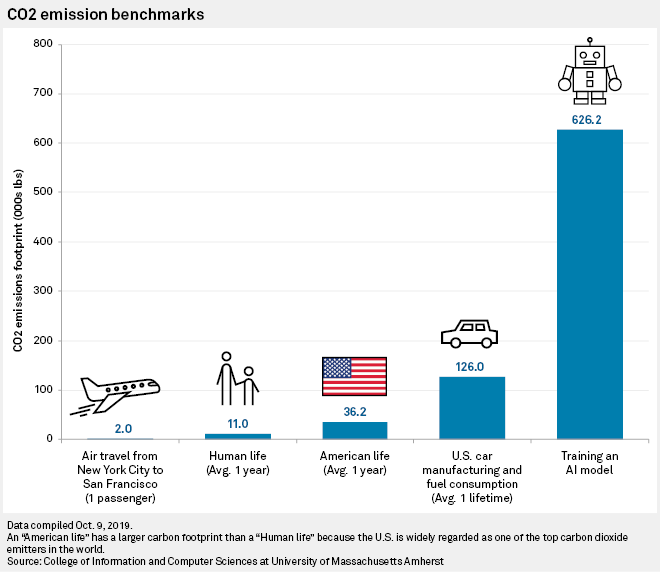
Artificial intelligence (AI) has grown fast in many areas. Its use needs large data centers and servers. These centers use a lot of energy. This energy use leads to carbon emissions. The total carbon footprint of AI is a concern for the environment.
AI systems, especially big models, need huge power to train. Training means teaching AI by feeding data. This process uses many computers running non-stop for days or weeks. The electricity used often comes from fossil fuels. Burning these fuels releases carbon dioxide (CO2) into the air.
Besides training, running AI also uses energy. Every time you ask an AI a question, servers process it. The more users, the more energy needed. This adds to AI’s carbon footprint.
Energy Use In Ai Training
Training AI models consumes massive electricity. Large models require thousands of GPUs working together. These GPUs run continuously during training. The electricity often comes from non-renewable sources. This results in high carbon emissions.
Carbon Emissions From Data Centers
Data centers power AI services and store data. They need constant cooling to prevent overheating. Cooling systems consume extra energy and water. This increases the environmental impact. Fossil fuel power plants add more CO2 to the atmosphere.
Water Consumption By Ai Infrastructure
Cooling data centers uses large amounts of water. Many regions face water shortages. High water use affects local communities and ecosystems. Water use is an often overlooked part of AI’s footprint.
Impact Of Increased Ai Usage
More AI users mean more queries and data processing. This growth increases electricity demand. The carbon footprint will rise unless energy sources become cleaner. Managing AI’s environmental impact is vital for the future.
Carbon Footprint Of Ai
Water consumption challenges linked to AI arise mainly from data centers. These centers need vast amounts of water to cool their servers. Cooling prevents overheating and keeps AI systems running smoothly.
Data centers often use water-based cooling systems. These systems pull water from local sources and circulate it to remove heat. This process can strain water supplies, especially in dry regions.
As AI usage grows, so does the demand for cooling. More servers mean more water required. This rise in water consumption can impact local ecosystems and communities.
Water Usage In Data Centers
Data centers consume millions of gallons of water yearly. They use water for cooling towers and chillers. This water evaporates or becomes wastewater, needing replacement.
Some centers are built near abundant water sources. Others face challenges securing enough water. In water-scarce areas, this can cause conflicts with local needs.
Environmental Impact Of Water Consumption
Excessive water use affects rivers, lakes, and groundwater. Lower water levels harm plants and animals. It also reduces water available for farming and drinking.
Water pollution may occur from cooling system chemicals. This pollution threatens aquatic life and water quality. Proper management is essential to reduce these risks.
Efforts To Reduce Water Use
Some companies adopt air cooling or recycled water. These methods lower freshwater consumption. Innovations aim to balance AI growth with water conservation.
Improving energy efficiency also helps. Cooler servers need less water to maintain safe temperatures. This reduces overall water demand in data centers.
Water Consumption Challenges
Data centers are the backbone of artificial intelligence systems. They store, process, and manage the vast amounts of data AI requires. These centers consist of many servers working nonstop. Their continuous operation demands huge energy and water resources.
The environmental impact of data centers is growing as AI use expands worldwide. Understanding this strain helps us consider ways to reduce harm while supporting AI development.
Energy Consumption In Data Centers
Data centers use enormous electricity to power servers and cooling systems. AI models require intense computing power, which raises energy needs. Most data centers rely on nonrenewable energy sources, adding to carbon emissions. This high energy use increases the carbon footprint of AI technologies.
Water Usage For Cooling
Cooling is essential to prevent servers from overheating. Many data centers use water-based cooling systems. This practice consumes large volumes of water daily. In areas facing water shortages, this demand worsens local scarcity. Water consumption is a serious concern tied to AI data centers.
Electronic Waste From Hardware Upgrades
AI requires frequent hardware upgrades to stay efficient. Old servers and components become electronic waste. Disposing of this waste poses environmental risks. Toxic materials can leak into soil and water if not handled properly. Managing electronic waste is crucial to lessen AI’s environmental harm.
Data Centers And Environmental Strain
Electronic waste from AI infrastructure is a growing concern for the environment. AI systems rely on powerful hardware that quickly becomes outdated. This leads to a large amount of discarded electronic devices.
Data centers, AI servers, and specialized chips all contribute to this waste. These components contain hazardous materials that can harm soil and water if not disposed of properly. Managing this waste is a major environmental challenge.
What Causes Electronic Waste In Ai Infrastructure?
AI requires constant upgrades to handle complex tasks. New hardware replaces older models frequently. This cycle produces a steady stream of e-waste.
High-performance GPUs and processors become obsolete as technology advances. Data centers expand, discarding older equipment. This rapid turnover increases electronic waste volumes.
Environmental Risks Of Ai Electronic Waste
Improper disposal releases toxic substances like lead and mercury. These chemicals pollute the environment. They can contaminate water sources and soil, harming plants and animals.
Electronic waste also adds to landfill mass. It takes many years to decompose. This creates long-term environmental damage if not recycled correctly.
Efforts To Reduce Ai Electronic Waste
Recycling programs aim to recover valuable materials from old devices. Some companies design AI hardware for easier reuse. Extending the life of components helps lower waste.
Regulations encourage proper disposal and recycling of e-waste. Developing energy-efficient AI hardware also reduces the need for frequent replacements.
Electronic Waste From Ai Infrastructure
Artificial Intelligence (AI) plays a growing role in solving environmental problems. It helps us understand complex ecosystems and predict changes. AI supports efforts to reduce pollution and manage natural resources better.
AI tools analyze large data sets quickly. This helps scientists track climate changes and natural disasters. AI also aids in designing cleaner energy solutions and improving waste management systems.
Ai In Climate Change Monitoring
AI models process climate data from satellites and sensors. They predict weather patterns and extreme events like floods or droughts. These predictions help communities prepare and reduce damage.
Real-time monitoring helps track greenhouse gas emissions. AI detects pollution sources and suggests ways to lower emissions. This supports global efforts to combat climate change.
Ai For Energy Efficiency
AI optimizes energy use in buildings, factories, and transportation. It adjusts heating, cooling, and lighting to save power. Smart grids use AI to balance energy supply and demand.
Renewable energy systems benefit from AI by improving storage and distribution. This increases the use of clean energy and lowers reliance on fossil fuels.
Ai In Wildlife And Habitat Protection
AI helps monitor endangered species through camera traps and sensors. It identifies animals and tracks their movements. This data supports conservation efforts.
AI also detects illegal activities like poaching and deforestation. Early warnings allow quicker responses to protect habitats and biodiversity.

Credit: www.aiforeducation.io
Ai’s Role In Environmental Solutions
Advances in energy-efficient AI aim to reduce the environmental cost of artificial intelligence. As AI systems grow, their energy use and emissions rise. New methods help lower this impact while keeping AI powerful.
Energy-efficient AI focuses on smarter algorithms and better hardware. These improvements cut electricity needs and reduce heat generation. This helps data centers save energy and water, easing environmental strain.
Optimized Algorithms For Lower Power Use
AI developers create algorithms that need less computing power. These models learn faster and use fewer resources. Smaller models can perform well without large energy demands. This reduces the carbon footprint of AI training and use.
Specialized Ai Chips And Hardware
New chips designed for AI tasks consume less energy than general processors. These chips improve speed and efficiency in AI calculations. Data centers using these chips cut electricity use significantly. This hardware shift supports greener AI development.
Ai For Managing Energy Consumption
AI itself helps optimize energy use in data centers and buildings. Systems predict energy needs and adjust cooling and power. This lowers wasted energy and water use. AI-driven management supports sustainable operation of technology.
Advances In Energy-efficient Ai
Renewable energy plays a key role in reducing AI’s impact on the environment. AI operations need large amounts of electricity. This demand often comes from data centers that run AI models. Using renewable energy sources can lower carbon emissions and pollution.
Many companies are now shifting to green energy. Solar, wind, and hydro power provide clean electricity. These sources reduce reliance on fossil fuels. This shift helps cut down greenhouse gases released by AI operations.
Solar Power In Ai Data Centers
Solar energy is one of the most popular renewable sources used. Data centers install solar panels to generate electricity on-site. This reduces their need for electricity from the grid. Solar power works well in sunny regions and lowers operational costs.
Wind Energy For Ai Operations
Wind farms supply clean energy to AI facilities. They produce power without emitting carbon dioxide. Wind energy is reliable in many areas. It supports the constant power needs of AI data centers and helps keep them green.
Hydropower’s Role In Supporting Ai
Hydropower uses flowing water to generate energy. It is a stable and consistent renewable source. Some AI companies partner with hydropower plants for clean energy. This helps maintain eco-friendly AI operations with less environmental harm.
Benefits Of Renewable Energy In Ai
Renewable energy reduces carbon footprints of AI systems. It limits pollution and conserves natural resources. Using clean power also improves public perception of AI technology. It encourages sustainable growth in the tech industry.
Renewable Energy In Ai Operations
Mindful AI usage practices focus on reducing the environmental impact of artificial intelligence. AI systems need a lot of energy and resources. Using AI carefully can lower pollution and waste. Responsible habits help balance AI benefits with nature preservation.
Simple actions by users and developers can make a big difference. Choosing efficient AI models and limiting unnecessary tasks saves power. Awareness of AI’s environmental costs encourages better decisions. Everyone can contribute to a greener AI future.
Efficient Model Selection
Pick AI models that require less energy to run. Smaller or optimized models use fewer computing resources. This reduces electricity consumption and carbon emissions. Developers should prioritize efficiency in AI design and deployment.
Limit Unnecessary Ai Queries
Avoid running AI tasks that are not important. Every query consumes server power and cooling resources. Cutting down on excessive or repeated requests saves energy. Users should be thoughtful about how often they use AI tools.
Support Green Data Centers
Choose services powered by renewable energy sources. Data centers that use solar or wind reduce fossil fuel use. They lower water consumption and electronic waste. Supporting green infrastructure helps lower AI’s environmental footprint.
Regular Model Updates
Keep AI systems updated with the latest efficiency improvements. Updates can reduce energy needs and improve speed. Older models often consume more power than newer ones. Regular maintenance supports sustainable AI use.
Promote Ai Awareness
Educate users about AI’s environmental impact. Awareness encourages responsible and mindful AI usage. Sharing knowledge can lead to better habits and policies. Understanding AI’s costs helps protect the environment.
Mindful Ai Usage Practices
Debating AI’s environmental impact brings many opinions and facts together. AI can both help and harm the planet. It depends on how it is used and managed. Understanding both sides is key to making smart decisions.
Some experts warn about AI’s growing energy needs. Others see AI as a tool to solve environmental problems. The debate is far from simple or one-sided.
Energy Consumption And Carbon Footprint
AI systems need powerful computers to work. These computers use a lot of electricity. Most data centers still rely on fossil fuels for power. This causes significant carbon emissions. Training large AI models can use as much energy as several homes in a year. Running AI for many users adds to this energy demand.
Water Usage And Resource Strain
Data centers use water to cool their machines. Cooling prevents overheating and keeps systems running well. Large water use can stress local supplies. Some areas face water shortages due to this demand. The environmental cost is not just energy but also water resources.
Ai’s Potential To Aid Environmental Efforts
AI helps monitor pollution and track wildlife. It can optimize energy use in factories and cities. AI can improve renewable energy systems like wind and solar. These uses may reduce overall environmental damage. AI-driven solutions could balance some of the harms it causes.
Challenges In Measuring True Impact
Calculating AI’s total environmental impact is complex. Different models and uses vary widely in their footprint. Data centers differ in energy sources and efficiency. User behavior also affects how much energy AI consumes. Clear, standard metrics are needed for better assessment.
Credit: news.mit.edu
Frequently Asked Questions
How Does Artificial Intelligence Affect The Environment?
Artificial intelligence increases energy and water use, raising carbon emissions from data centers. Efficient AI and renewable energy can reduce its environmental impact.
Is Chatgpt Destroying The Environment?
ChatGPT consumes significant energy and water, contributing to carbon emissions from data centers. Its growing use increases environmental impact. Efforts focus on energy-efficient AI and renewable energy to reduce this footprint. Responsible use and technological advances can help mitigate harm to the environment.
What Is The 1 Polluter On Planet Earth?
The 1 polluter on Earth is the fossil fuel industry. It releases massive carbon emissions causing climate change.
What Are Some Harmful Effects Of Ai?
AI increases carbon emissions due to high energy use in data centers. It generates electronic waste and strains water resources. AI can also cause job displacement and privacy issues. These effects pose environmental, social, and ethical challenges that require careful management and sustainable solutions.
What Is Ai’s Overall Impact On The Environment?
AI increases energy use and carbon emissions due to large data centers and computing needs.
How Much Energy Do Ai Data Centers Consume?
AI data centers use vast electricity, often from fossil fuels, raising environmental concerns.
Does Ai Contribute To Carbon Emissions?
Yes, AI’s heavy energy use leads to significant carbon dioxide emissions worldwide.
How Does Ai Affect Water Resources?
AI data centers consume large amounts of water for cooling, straining local supplies.
Can Ai Reduce Environmental Damage?
AI can optimize energy use and improve resource management to help lower environmental harm.
What Is Electronic Waste From Ai?
Old servers and hardware in AI systems create electronic waste, which harms ecosystems if unmanaged.
Conclusion
AI impacts the environment in both good and bad ways. It uses a lot of energy and water, which can harm nature. Data centers need power and cooling, often from fossil fuels. This causes carbon emissions and adds to climate change.
On the bright side, AI can help monitor pollution and improve energy efficiency. Scientists work on making AI models use less energy. Using renewable energy for data centers also helps reduce harm. People should use AI wisely to lower its environmental footprint.
The future depends on balancing AI benefits with protecting our planet.