The Nether Highway is one of the most fascinating concepts in the world of Minecraft. It’s more than just a shortcut—it’s a carefully constructed network that changes how players explore, travel, and connect in the game. If you have ever wondered how experienced Minecraft players move so quickly between far places, or how massive multiplayer servers stay connected, you’re about to discover the answer. In this guide, you’ll learn everything about Nether Highways: what they are, how they work, why they matter, and how you can build one yourself.
What Is A Nether Highway?
In Minecraft, the Nether is a dangerous alternate dimension. But it has a special property: every block you travel in the Nether equals eight blocks in the Overworld. This means you can cross huge distances much faster. A Nether Highway is a set of straight, well-built paths in the Nether, usually leading to the main directions: north, south, east, and west. These highways let players travel thousands of blocks in the Overworld by only moving hundreds in the Nether.
Nether Highways are not just for speed. They also help with safety, resource collection, and community building. On large multiplayer servers, highways become lifelines that keep players connected and make resource gathering efficient.
Why Build A Nether Highway?
Building a Nether Highway is a big project, but it’s worth the effort. Here are some reasons why experienced players invest the time and resources:
- Fast travel: Cross huge distances in a fraction of the time.
- Resource sharing: Move resources between bases or friends quickly.
- Safety: Travel safely through dangerous Nether terrain.
- Server connectivity: Connect many players and builds in a community.
- Exploration: Reach far biomes or structures faster.
- Efficiency: Save time on repeated trips.
Many players only realize the full value of a Nether Highway after they build one. For example, a trip that takes 10 minutes in the Overworld may take just 1-2 minutes in the Nether, especially with boats or ice blocks.
How Nether Coordinates Work
To use a Nether Highway well, you must understand how coordinates work between dimensions. Minecraft uses a coordinate system (X, Y, Z) to measure positions.
- Every block you move in the Nether is 8 blocks in the Overworld (X and Z axes only).
- Y-axis (height) does not scale—1 Nether block up is still 1 Overworld block up.
For example, if your base is at (800, 70, 800) in the Overworld, its linked Nether portal is at (100, 70, 100) in the Nether.
This scaling is the secret behind Nether Highways. You build straight paths in the Nether, then connect them with portals to key places in the Overworld.
Types Of Nether Highways
Not all Nether Highways are the same. Players build them in different ways depending on needs, resources, and the size of the world or server.
1. Basic Pathways
These are simple tunnels or bridges made from common blocks like cobblestone or netherrack. They offer basic safety from mobs and falling but are slower to travel.
2. Ice Boat Highways
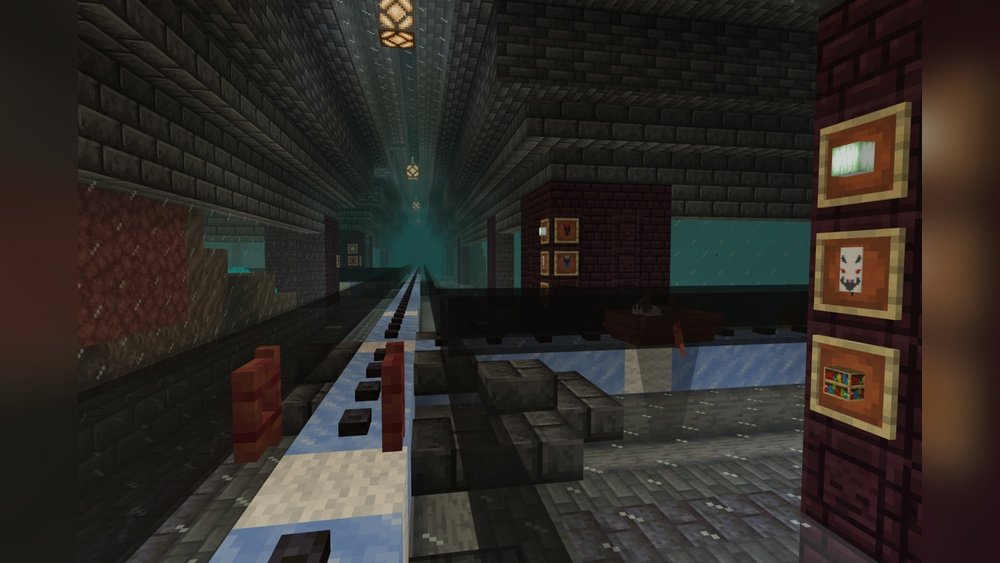
One of the fastest ways to travel in Minecraft is using boats on ice. Players build highways with packed ice or blue ice and ride boats for extreme speed.
- Blue ice is faster but much more expensive.
- Packed ice is a good balance between speed and cost.
3. Minecart Rail Highways
Rails can also be used in the Nether. While not as fast as ice boats, they’re reliable and can transport items in minecarts as well as players.
4. Horse Highways
Some players make wider paths for horses or striders (Nether mobs you can ride). These are less common but can be fun.
5. Multi-lane Highways
On big servers, highways might have several lanes—one for walking, one for boats, one for rails, and so on. This helps different players use the highway in their preferred way.

Credit: www.reddit.com
Planning Your Nether Highway
Before you start building, planning is essential. Poor planning leads to wasted resources, confusing routes, or even dangerous paths over lava.
Key Planning Steps
- Identify key destinations (villages, bases, biomes).
- Map their coordinates in the Overworld.
- Convert coordinates to Nether positions (divide by 8 for X and Z).
- Choose your main routes (north, south, east, west, and diagonals).
- Decide highway type (ice, rail, basic, or multi-lane).
- Plan safety features (walls, ceilings, lighting).
- Gather materials before starting.
A common beginner mistake is to start building before mapping out the main lines. This often results in highways that are not straight, run into obstacles, or don’t connect well with portals.
Materials And Tools Needed
Your material list depends on the type of highway you want to build. Here’s a comparison of the most common highway types and their material requirements:
| Highway Type | Main Materials | Pros | Cons |
|---|---|---|---|
| Basic Path | Cobblestone, Netherrack | Cheap, quick to build | Slow travel, less fun |
| Ice Boat | Packed/Blue Ice, Slabs, Boats | Very fast, fun | Ice is expensive, needs careful building |
| Minecart Rail | Rails, Powered Rails, Redstone, Blocks | Can transport items, reliable | Slower, costly materials |
| Horse Highway | Slabs, Fences, Carpet | Fun, different, can be wide | Not as fast, needs more space |
For any highway, you’ll also want torches or glowstone to keep the path bright and free from mobs. For ice highways, make sure you use packed ice or blue ice since regular ice melts easily.

Credit: www.reddit.com
How To Build A Nether Highway: Step-by-step
Building a Nether Highway can feel overwhelming. Let’s break it down into clear steps so you can do it safely and efficiently.
Step 1: Find Your Start And End Points
Pick a place in the Overworld you want to connect. Find its coordinates. For example, if your base is at (1600, 80, -400), divide the X and Z by 8:
- Nether X: 1600 ÷ 8 = 200
- Nether Z: -400 ÷ 8 = -50
Now, pick the Nether coordinates where your portal should go.
Step 2: Build Nether Portals
Build a portal at the calculated Nether location. Light it, and go through to check if it links correctly to your Overworld base. If not, adjust the position slightly and retry.
Step 3: Plan The Route
Decide if you’ll go in a straight line or need to turn. Most highways follow the cardinal directions (north, south, east, west) for simplicity. Mark your planned route with blocks or torches.
Step 4: Clear The Path
Dig out a 2-block-high tunnel at minimum. For boat highways, you’ll want 3 blocks high and at least 2 blocks wide. Remove dangerous blocks like gravel or lava.
Step 5: Build The Highway
- For basic highways, lay down your main building block (cobblestone is good because ghast fireballs cannot destroy it).
- For ice highways, place ice blocks on the floor. Use slabs to make the sides slightly higher so boats don’t fall off.
- For rail highways, place regular rails with powered rails every 38 blocks (or less on inclines).
- For horse highways, make the path wider, add fences to the side, and use slabs to stop mobs from spawning.
Step 6: Add Safety Features
- Build walls and a ceiling to protect from ghasts and wither skeletons.
- Add lighting (torches, glowstone, or shroomlights) to keep piglins and other mobs from spawning.
- Use glass for windows if you want to see outside but stay safe.
Step 7: Test Your Highway
Travel the highway in the way you plan to use it (walking, boating, minecart, or riding). Fix any bumps, gaps, or problem spots.
Step 8: Connect More Destinations
You can now build branch lines to other portals. Just repeat the process: calculate coordinates, build a portal, then connect with a branch highway.
Advanced Nether Highway Tips
Many players stop at the basic steps, but there are advanced tricks that make highways even better.
Use Blue Ice For Maximum Speed
Blue ice is even faster than packed ice for boat highways. Boats can reach speeds over 40 blocks per second. But blue ice is costly (needs nine packed ice per block). Save it for main highways, and use packed ice for less-used routes.
Diagonal Highways
Most highways go straight north/south or east/west. But diagonal highways (northeast, northwest, southeast, southwest) can connect distant points more directly. These are trickier to build but can save time for large worlds.
Highway Hubs
On big servers, players build hubs where several highways meet. These are like “train stations” in the Nether. Hubs help organize routes and make switching directions easy.
- Good hubs are large, well-lit, and labeled with signs or maps.
- Use colored blocks or banners to show which highway goes where.
Item Transport Systems
You can use minecart rails to send items long distances in the Nether. This is especially useful on servers where resources need to be delivered between players or farms.
Map Your Highways
Making a map (even on paper) of your network helps keep things clear. Label main lines, branches, and hubs. This prevents confusion as your system grows.
Common Building Mistakes And How To Avoid Them
Even experienced players make mistakes with Nether Highways. Here are some of the most common, and how to fix or avoid them.
- Poor Portal Linking: If your portals link to the wrong places, check your coordinate math. Always divide X and Z by 8 for Nether coordinates.
- Not Using Safe Blocks: Netherrack is easy to mine but is destroyed easily by ghasts. Use cobblestone or bricks for walls and floors.
- Forgetting Lighting: Dark highways will spawn mobs. Always add torches or glowstone every few blocks.
- Ignoring Lava: If you dig into a lava lake, stop and build a bridge or reroute. Always carry fire resistance potions.
- Not Marking Directions: Highways can look similar. Use signs, banners, or colored blocks to mark which way goes where.
Many beginners forget to check the height (Y) of their portals, causing link issues. Always build portals at similar heights in both dimensions if possible.
Multiplayer And Community Highways
On large multiplayer servers, Nether Highways become community projects. They connect player bases, farms, shopping districts, and more. There are some extra considerations for public highways:
- Rules: Many servers have rules about who can build or change highways.
- Design Standards: Using similar building styles helps highways look organized.
- Maintenance: Community highways need repairs, lighting, and clear signs.
- Security: Sometimes, servers add blast-proof blocks or even alarms to stop griefers.
On famous servers like 2b2t (anarchy server), highways run for millions of blocks and are maintained by groups of players. These highways are lifelines for new players and explorers.
Nether Highway Vs. Overworld Railways
Players often ask: why not just build a railway or road in the Overworld? Let’s compare both options:
| Feature | Nether Highway | Overworld Railway |
|---|---|---|
| Speed | Very fast (8x distance) | Normal speed |
| Safety | Dangerous to build, safe to use if enclosed | Safer to build but needs more resources |
| Cost | Cheaper (if using basic blocks) | More expensive (rails, powered rails) |
| Scenery | Mostly Nether terrain | See Overworld landscapes |
| Mob Spawns | Nether mobs (unless lit) | Overworld mobs (unless lit) |
Nether Highways are the best for speed and efficiency, especially over long distances. Overworld railways are better for sightseeing or if players prefer not to enter the Nether.
Real-world Inspiration And Fun Facts
The idea of fast travel routes is not unique to Minecraft. In the real world, highways, subways, and tunnels connect cities quickly and safely. Large multiplayer servers sometimes use engineering tricks similar to real-world civil engineers: straight lines, hubs, clear signage, and even “service tunnels” for repairs.
On huge public servers, Nether Highways become almost like digital cities, with rules, maintenance crews, and history. On 2b2t, for example, some highways have been rebuilt after being destroyed, showing how important they are for community and gameplay.
Credit: www.reddit.com
Pros And Cons Of Nether Highways
Let’s quickly break down the main advantages and disadvantages of Nether Highways:
Pros
- Very fast travel across the world
- Efficient resource movement
- Connects distant players or builds
- Customizable (ice, rails, walking)
- Safe if enclosed and lit
Cons
- Building is risky (lava, mobs, falls)
- Resource cost (ice, rails, cobblestone)
- Portal linking problems if not careful
- Needs maintenance (lighting, repairs)
It’s helpful to remember that highways pay off most for worlds or servers where you travel a lot, or where distances are very long.
Not-so-obvious Insights For Beginners
Experienced players know a few tricks that beginners often miss:
- Portals can link weirdly if another portal is close by. If you have linking issues, break and relight portals or move them a few blocks.
- Y-level matters for safety. Building highways high up (Y=120) avoids lava lakes, while building low can run into more lava but is closer to fortress spawns.
- Boats move extremely fast on ice, but you need to steer carefully or you’ll crash. Use slabs for gentle walls to keep boats from flying off.
- Piglins won’t spawn on slabs or glass. Building your floor with these blocks keeps highways mob-free.
- Hoppers can collect dropped items from minecarts, letting you build item delivery systems.
Understanding these details can save hours of frustration and make your highway project much smoother.
Best Practices For A Long-lasting Nether Highway
If you want your highway to last and be useful for a long time, follow these best practices:
- Use blast-resistant blocks (cobblestone, stone bricks) for the outer shell.
- Light up every section to prevent mob spawning.
- Build at a consistent height to make future expansions easier.
- Mark every intersection and portal with signs or maps.
- Keep emergency supplies (food, blocks, fire resistance) in chests at main hubs.
- Encourage other players to help with maintenance if you’re on a server.
These steps don’t just make the highway better—they keep it useful for you and others.
Nether Highway Maintenance
A highway is only as good as its maintenance. Over time, lava flows, ghast fireballs, or even other players can damage your highway. Here’s how to keep it in top shape:
- Regularly walk or ride the highway to check for damage.
- Replace any missing blocks or lighting.
- Upgrade sections as you get better materials (swap netherrack for stone, packed ice for blue ice, etc. ).
- Remove or block off broken portals.
- Keep extra materials at hubs for quick repairs.
If you’re playing with others, set up a “maintenance crew” or take turns checking different sections.
How Nether Highways Impact Multiplayer Servers
On busy servers, Nether Highways do more than just move players—they shape the whole world. Here are a few ways they affect multiplayer life:
- Make collaboration easier by connecting player bases.
- Help with trade and resource sharing (e.g., players bring iron from far farms).
- Allow events (like races or scavenger hunts) using the highway system.
- Encourage community projects (building, decorating, expanding highways).
- Even create server history (some highways are years old and have stories).
Some servers even keep leaderboards for fastest highway travel times or have “highway builders” as a special role.
The Future Of Nether Highways
As Minecraft updates, new blocks and mechanics appear that make Nether Highways even better. For example:
- Strider mobs (added in 1.16) can be ridden across lava, opening new route ideas.
- New lighting blocks (like shroomlight) make highways safer and more beautiful.
- Nether biomes add challenge and decoration variety.
Players continue to invent new ways to build, decorate, and use highways. Some even automate parts with redstone or command blocks on creative servers.
For the latest information and community builds, you can find more on the Minecraft Wiki.
Frequently Asked Questions
What Is The Main Purpose Of A Nether Highway?
The main purpose is to let players travel long distances very quickly by using the Nether’s 8:1 distance ratio. Highways also make travel safer and easier, especially between important places like bases or resource farms.
How Do I Make Sure My Nether Portals Link Correctly?
Always divide your Overworld X and Z coordinates by 8 to find the right Nether spot. Build and light the Nether portal at that location. If portals link wrong, move them a few blocks and retry, or break and relight both portals.
What Materials Are Best For A Beginner’s Nether Highway?
Cobblestone or stone bricks are great for beginners because they resist ghast fireballs. Packed ice is good for fast travel if you can get it, but it’s not required for a simple, safe highway.
How Do I Stop Mobs From Spawning On My Highway?
Use lots of lighting (torches, glowstone, shroomlight). Build the floor with slabs, glass, or carpet, as mobs cannot spawn on these. Enclose the highway with walls and a ceiling for extra safety.
Can I Build A Nether Highway In Single-player Worlds, Or Is It Just For Servers?
You can build Nether Highways in single-player or multiplayer worlds. They are useful for any world where you want to travel long distances, connect builds, or gather resources efficiently.
Building a Nether Highway changes how you play Minecraft forever. It’s not just a shortcut—it’s a gateway to efficiency, creativity, and connection with other players. Whether you’re alone or on a busy server, a well-made highway is one of the most valuable projects you’ll ever complete.