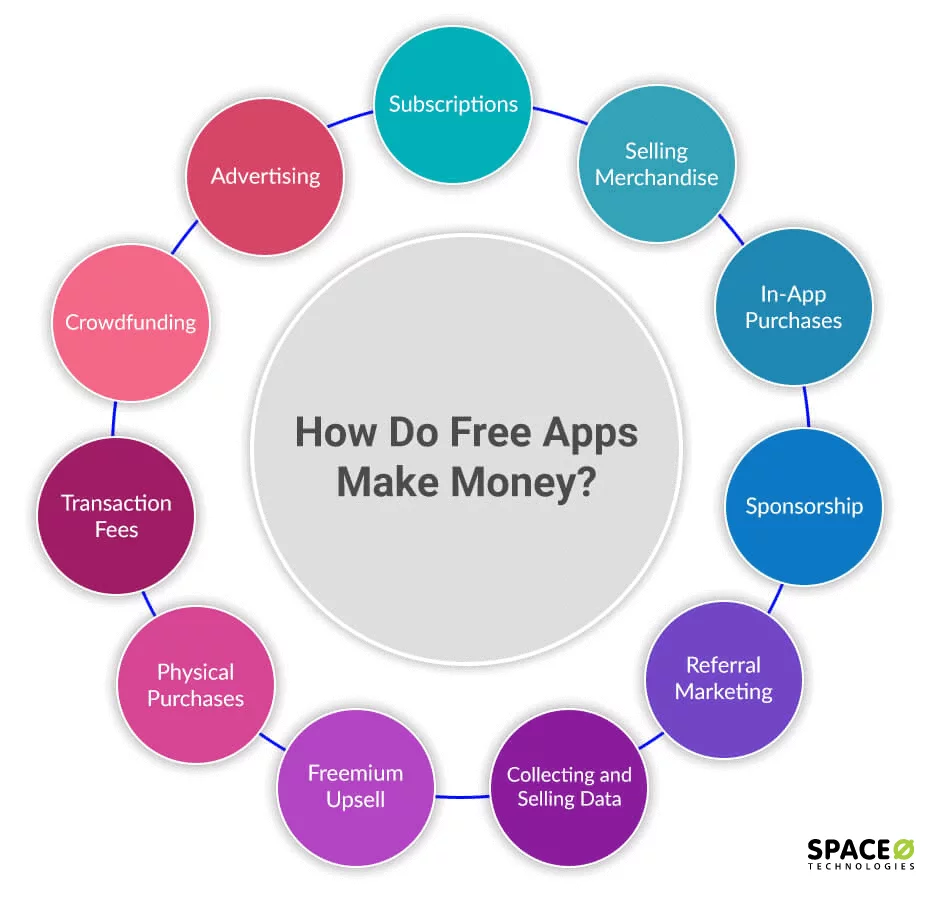
Free apps make money through ads, in-app purchases, subscriptions, and data-driven services.
I’ve built and marketed mobile apps for years, and I can show you exactly how free apps make money, step by step. This article breaks down the real ways developers earn revenue from free apps, explains trade-offs like user experience and privacy, and offers practical tips you can use whether you’re a creator, marketer, or curious user.
Overview: Why “free” doesn't mean no revenue
Most users think a free app means the developer gets nothing. That’s not true. Free apps earn money through multiple models designed around attention, functionality, and data. Understanding these options explains why many popular apps remain free to download.
Common goals behind free apps
- Grow a large user base quickly.
- Build engagement and retention.
- Convert free users to paying ones or monetize attention through ads.
- Collect anonymized insights to improve products.
How the market shapes choices
- App stores reward apps with high engagement.
- Advertisers pay to reach active audiences.
- Subscriptions and in-app purchases provide stable income.
Core monetization strategies for free apps
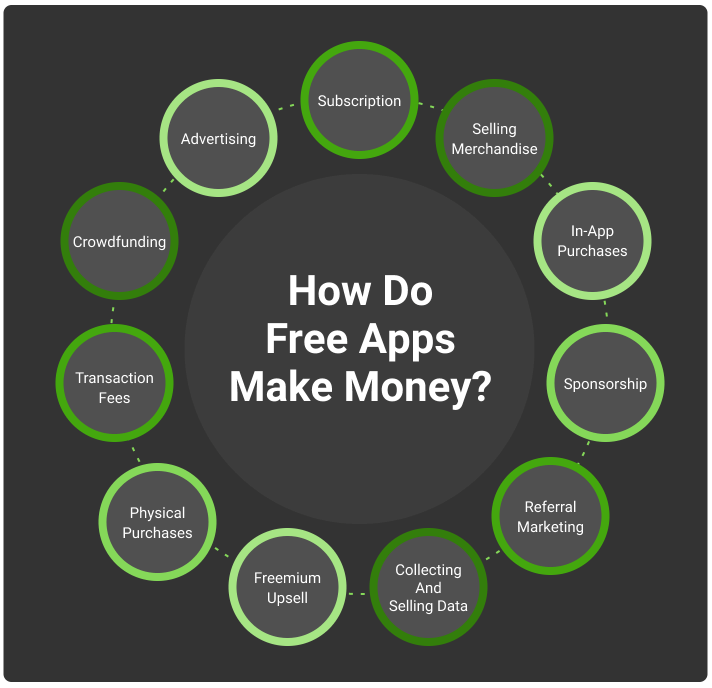
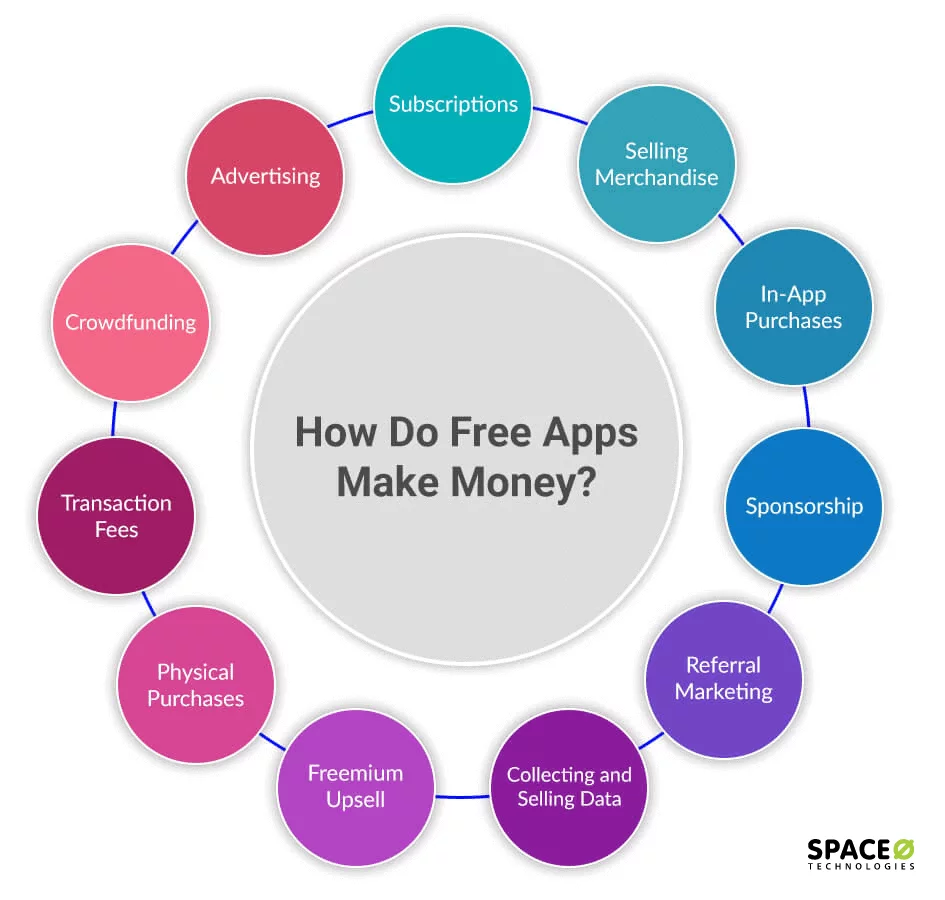
Here are the main ways free apps make money. Each method works differently, and many apps use several at once.
Ad monetization
- Display ads in the app interface.
- Use interstitials, banners, native ads, and rewarded video.
- Revenue depends on impressions, clicks, and eCPM.
In-app purchases (IAP)
- Sell digital items, boosts, or one-time features.
- Common in games and productivity apps.
- Freemium model: basic app is free, premium items cost money.
Subscriptions
- Recurring billing for premium features or content.
- Often monthly or yearly.
- High lifetime value when retention is strong.
Sponsorships and partnerships
- Brand deals or co-marketing inside the app.
- Sponsored content or exclusive offers to users.
Affiliate marketing and referrals
- Earn a cut when users buy or sign up through app links.
- Works well for shopping, travel, and finance apps.
Selling leads or services
- Apps that match users with services can sell qualified leads.
- Examples include job boards, real estate, and local services.
Data and analytics services
- Aggregate, anonymize, and sell trends or insights.
- Must obey privacy laws and user consent.
White-labeling and B2B licensing
- Build an app and sell the tech or license it to companies.
- App appears free for end users but product is paid by companies.
Paid upgrades and unlocking features
- Time-limited trials that encourage upgrades.
- Pay once or upgrade to remove limits or ads.
Cross-promotion and ecosystem growth
- Use a free app to promote paid apps or other products in your portfolio.
- Boosts overall company revenue across multiple offerings.
How ad monetization actually works
Ads are the obvious answer for many people wondering how do apps make money if they are free. Here’s a quick, clear look.
Ad types
- Banner ads: small, persistent ads that earn small amounts per impression.
- Interstitials: full-screen ads shown at key moments; higher revenue per view.
- Rewarded video: users watch to get in-app currency; high engagement and payouts.
- Native ads: blend with app design for better click-through.
Key metrics
- eCPM: effective cost per thousand impressions. Higher eCPM = more revenue.
- ARPU: average revenue per user. Helps forecast income.
- Fill rate: percent of ad requests that return an ad.
Best practices
- Balance ads and experience to avoid churn.
- Use reward ads for positive engagement.
- Test networks and placements to improve eCPM.
In-app purchases and subscriptions: why they work
If you ask how do apps make money if they are free, in-app purchases and subscriptions are top answers. They monetize users who find value.
Types of purchases
- Consumables: coins, lives, or credits that run out.
- Non-consumables: permanent unlocks like a pro feature.
- Subscriptions: access to content, services, or added functionality over time.
Why subscriptions help
- Predictable, recurring revenue.
- Incentivizes developers to update and retain users.
- Successful when app provides ongoing value, like cloud sync, exclusive content, or fresh features.
Pricing tips
- Offer a low-cost entry plan.
- Use trials to show value.
- Clearly explain benefits to reduce cancellations.

Privacy, data, and ethical considerations
A common question tied to how do apps make money if they are free is whether your data is the price you pay. There are ethical and legal lines to follow.
What developers collect
- Usage events, device info, and behavioral patterns.
- With consent, some apps use identifiers for targeted ads.
Legal frameworks
- GDPR, CCPA, and app store policies require consent and transparency.
- Violations can lead to fines and app removals.
User trust practices
- Use clear privacy notices.
- Offer opt-outs for data sharing.
- Minimize data collection to what’s needed.
Being transparent improves retention and brand reputation. I’ve seen apps increase trust and revenue simply by explaining data use and offering controls.
Choosing the right monetization mix
Deciding how do apps make money if they are free depends on your audience, product, and goals. Follow these practical steps.
Step-by-step approach
- Define your core value to users and their willingness to pay.
- Start simple: test ads and a small set of IAPs.
- Track metrics: retention, ARPU, LTV, conversion rate.
- Iterate: raise value for paying users, reduce friction for conversions.
- Consider hybrids: ads for most users, subscription for power users.
Metric focus
- 1-day, 7-day, 30-day retention.
- Conversion rate from free to paid.
- Churn rate for subscribers.
Examples
- A casual game can use rewarded ads plus occasional IAPs.
- A productivity app may start free with a subscription for advanced features.
Personal experience: lessons from building and monetizing apps
I once launched a free app with ads only. Downloads were high, but users left fast. We added a low-priced subscription with monthly cloud backup. Retention rose and revenue stabilized. Here are concrete lessons I learned.
Lessons learned
- Never rely on a single revenue stream. Mix models.
- Test pricing in small cohorts before global rollout.
- Respect users: too many ads kills trust and retention.
- Offer clear value before asking for money.
Mistakes to avoid
- Hiding costs in dark patterns.
- Ignoring user feedback about ad frequency.
- Skipping analytics—data guides good monetization.
Practical tips
- Start with a free core and optional paid upgrades.
- Use rewarded ads to create a win-win.
- Communicate regularly with paying users.
.png)
Related concepts and quick answers (PAA-style)
How do apps make money if they are free besides ads and purchases?
- They can license tech to businesses, use affiliate links, sell leads, or offer sponsored content. Many apps use a combination for steady income.
Does user growth always mean more revenue?
- Not necessarily. Growth helps only if retention and monetization convert users into paying customers or ad impressions. Quality and engagement matter more than raw downloads.
How important is app store optimization (ASO) to monetization?
- Very important. Better visibility leads to more downloads, which increases the pool for ads, conversions, and subscriptions. ASO and monetization work hand in hand.
Frequently Asked Questions of how do apps make money if they are free
How do free apps earn money from ads?
Free apps display ads and earn revenue from impressions, clicks, or completed video views. The amount depends on ad type, placement, and user engagement.
Can a free app make money without ads?
Yes. Free apps can make money through in-app purchases, subscriptions, affiliate commissions, sponsorships, or selling services to businesses.
Are subscriptions better than one-time purchases?
Subscriptions offer recurring revenue and higher lifetime value when retention is strong, while one-time purchases are simpler but may limit long-term income.
Is selling user data required to monetize a free app?
No. Apps can monetize without selling personal data by using ads, in-app sales, and partnerships. When data is used, transparency and user consent are essential.
How long until a free app starts earning meaningful revenue?
It varies. Some apps monetize in weeks, others take months of growth and optimization. Metrics like retention and conversion rate determine speed to profit.
Do app stores take a cut of revenue?
Yes. App stores usually take a percentage of in-app purchases and subscriptions. The share affects pricing and revenue planning.
Conclusion
Free apps make money through a mix of ads, in-app purchases, subscriptions, partnerships, and data-driven services. The best approach blends user experience, clear value, and ethical data handling. Start simple, measure what matters, and iterate based on real user behavior. Try one change at a time—test an ad format or add a small subscription tier—and watch metrics guide you to a sustainable model. If you found this useful, subscribe for more guides or leave a comment with your app monetization questions.