Are you tired of seeing em dashes clutter your AI-generated text? You’re not alone.
Em dashes have become a favorite punctuation mark for AI writing tools, popping up everywhere and sometimes making your sentences feel choppy or overwhelming. But why does this happen, and more importantly, how can you regain control over your writing style?
You’ll discover simple, effective ways to deal with AI’s em dash overuse. By the end, you’ll know how to make your content clearer, smoother, and more engaging—without losing your unique voice. Keep reading to learn how to turn this punctuation problem into a writing strength.

Credit: techgenies.com
Why Ai Overuses Em Dashes
AI often overuses em dashes in its writing. This happens due to how the AI learns and processes language. The em dash is a flexible punctuation mark. It helps connect ideas, add pauses, or highlight points. The AI finds it easy and effective to use. Several reasons explain why the em dash appears so often in AI-generated text.
Training Data Influence
The AI learns from a large set of texts. These texts include books, articles, and online content. Many professional writings use em dashes regularly. The AI copies these patterns it sees most. If training data has many em dashes, the AI will use them more. This creates a strong bias toward this punctuation mark.
Role Of Reinforcement Learning
Human feedback guides AI training through reinforcement learning. Evaluators may prefer answers with clear, connected ideas. Em dashes help make sentences look clear and strong. The AI gets rewarded for using them. This encourages the AI to add more em dashes. It sees them as a way to improve sentence quality.
Algorithmic Efficiency
The em dash works in many roles at once. It replaces commas, colons, and parentheses easily. The AI finds it simpler to use one mark often. This avoids complex rules for other punctuation. Using em dashes saves processing time for the AI. It favors this mark to keep sentence flow smooth.
Functions Of The Em Dash
The em dash is a powerful punctuation mark. It adds style and clarity to writing. Understanding its functions helps control its use. This knowledge is key to avoiding AI’s em dash overuse. The em dash has three main roles in text. Each role shapes the sentence in a unique way.
Connecting Related Ideas
The em dash links ideas closely without using conjunctions. It joins thoughts that belong together but need a break. This connection feels natural and smooth. Writers use it to keep sentences clear and concise. It replaces words like “and” or “but” in some cases. This use makes the text feel lively and fast.
Creating Pauses
The em dash creates a strong pause in a sentence. This pause is longer than a comma but shorter than a period. It gives readers time to think or feel suspense. Writers add it to slow down the rhythm. It can highlight a sudden change or an afterthought. The pause adds drama without breaking the sentence flow.
Adding Emphasis
The em dash draws attention to important parts of a sentence. It sets off words or phrases for extra focus. This emphasis helps highlight key details or surprises. It makes the message clearer and more memorable. Using the em dash this way guides the reader’s eye. It signals that what follows is special or different.
Signs Of Em Dash Overuse
Recognizing signs of em dash overuse helps improve writing clarity. Overusing em dashes can confuse readers and disrupt flow. Spotting these signs early allows you to edit more effectively. Here are common indicators to watch for.
Cluttered Sentences
Too many em dashes make sentences look crowded and messy. Readers may struggle to follow the main idea. Em dashes used back-to-back break the sentence rhythm. This clutter reduces overall readability and focus.
Redundancy In Writing
Using em dashes repeatedly often adds unnecessary information. The same point may get repeated or stretched out. This redundancy weakens the writing and bores readers. Em dashes should highlight, not restate, ideas.
Mimicking Ai Style
AI tends to insert em dashes as a default punctuation choice. This pattern appears in AI-generated content too often. Writing that copies AI style can feel robotic or unnatural. Watching for this helps keep your voice authentic and fresh.
Impact On Readability
The impact of em dash overuse on readability can be significant. Em dashes are useful punctuation marks, but too many can confuse readers and break the natural flow of text. Writers and AI tools must balance their use to keep writing clear and engaging.
Disrupting Flow
Excessive em dashes interrupt the smooth rhythm of sentences. Readers may stumble over sudden breaks. This makes it hard to follow the main idea. The natural pace of reading slows down. Flow becomes choppy and uneven, reducing overall enjoyment.
Reader Confusion
Overusing em dashes can confuse readers about sentence structure. They may struggle to understand how ideas connect. The meaning might feel unclear or scattered. Too many interruptions force readers to pause and reread. This distraction pulls attention away from the message.
Tone And Voice Issues
Em dash overuse can change the tone of writing unintentionally. It might seem too casual or fragmented. Readers may find the voice inconsistent or unclear. Overuse can make the text feel rushed or scattered. Maintaining a steady tone becomes difficult with many breaks.
Alternatives To Em Dashes
Em dashes often appear too frequently in AI-generated text. Writers may find these dashes interrupt the flow or seem overdone. Using alternatives can improve readability and balance your writing. Different punctuation marks offer varied ways to separate ideas or add extra details. Experiment with these options to create clearer sentences.
Using Commas
Commas are simple and common punctuation marks. They can separate ideas smoothly without breaking the sentence. Use commas to insert extra information or clarify meaning. This approach keeps sentences light and easy to read. Commas work well for short pauses or small details.
Parentheses Options
Parentheses enclose extra information that is not essential. This punctuation signals a side note or explanation. Use parentheses to add background or clarify points quietly. They help readers skip details if they want. Parentheses keep the main sentence intact and clear.
Semicolon Usage
Semicolons connect closely related ideas in one sentence. They show a stronger link than a period but less than a comma with a conjunction. Use semicolons to join independent clauses that balance each other. This punctuation offers a smooth transition without overusing em dashes.
Customizing Ai Writing Settings
Customizing AI writing settings helps control punctuation use, including em dashes. Adjusting these settings guides the AI to match your writing style better. This way, you reduce overuse and improve readability. Small changes in preferences can make a big difference in output quality.
Accessing Custom Instructions
Start by opening your AI writing tool’s settings or preferences menu. Look for a section called “Custom Instructions” or similar. This area lets you tell the AI how to write according to your needs. Enter details about punctuation use, tone, and style here. Saving your instructions ensures the AI follows them every time.
Setting Punctuation Preferences
Specify your punctuation choices clearly in the custom instructions. Mention that you want fewer em dashes and suggest alternatives like commas or parentheses. You can also set rules for when to use dashes. Clear guidelines help the AI avoid overusing em dashes in sentences. This keeps your content clean and easy to read.
Ensuring Long-term Changes
Check if your AI platform saves custom settings for future sessions. Some tools reset preferences after each use, so you must reapply them. Regularly review and update your instructions to keep the AI aligned with your style. Consistency in settings leads to long-term improvement in writing quality.
Manual Editing Techniques
Manual editing is essential to fix em dash overuse in AI-generated text. It helps make writing clearer and easier to read. With careful review, you can improve sentence flow and punctuation balance. Simple editing steps can make a big difference.
Identifying Excess Em Dashes
Start by reading the text slowly. Notice every em dash used. Mark sentences where em dashes appear too often. Look for places where they break the flow or confuse the reader. Highlight repeated or unnecessary em dashes. This step helps spot the problem areas fast.
Replacing With Suitable Punctuation
Check if a comma, colon, or semicolon works better. Use commas for small breaks or lists. Colons can introduce explanations or examples. Semicolons connect related independent ideas. Replace em dashes that feel too strong or abrupt. This change can soften the text and improve clarity.
Balancing Sentence Structure
Rewrite sentences to avoid heavy punctuation. Break long sentences into shorter ones if needed. Use conjunctions like “and” or “but” for smooth connections. Keep sentences simple and direct. This balance stops overuse and makes the text flow naturally.
Balancing Style And Clarity
Balancing style and clarity is key when using em dashes in writing. Em dashes add flair and emphasis but can confuse readers if overused. Striking the right balance keeps your content both engaging and easy to read.
Understanding when to use em dashes and how to maintain a natural tone helps prevent clutter. Avoiding overcorrection ensures your writing flows smoothly without losing personality.
When To Use Em Dashes
Use em dashes to highlight important information or create a strong pause. They work well to add extra details or show a sudden change in thought. Avoid replacing commas or parentheses with em dashes in every sentence. Use them sparingly for clear emphasis.
Maintaining Natural Tone
Keep your tone conversational and simple. Em dashes should sound like natural breaks, not interruptions. Read your sentences aloud to check if the dashes feel smooth. Use them like a breath in speech, not a stop sign.
Avoiding Overcorrection
Don’t remove all em dashes just to avoid overuse. This can make your writing dull or robotic. Instead, replace only the unnecessary ones with commas or periods. Balance is about keeping style without sacrificing clarity.
Learning From Human Writers
Learning from human writers helps us handle the em dash overuse in AI writing. Humans use punctuation carefully to create clear and smooth sentences. Studying their style can guide us to improve AI-generated content. This section explains how to analyze, adapt, and avoid mistakes by learning from professionals.
Analyzing Professional Texts
Professional writers use em dashes with purpose. They add emphasis or create pauses that feel natural. Reading quality articles and books reveals how often and where em dashes appear. Notice that pros balance em dashes with other punctuation marks. They rarely use em dashes in every sentence.
Look for patterns in their writing. See how they separate ideas and add extra information. This analysis shows the right rhythm and flow. It helps you spot overuse and find better alternatives.
Adapting Effective Patterns
Apply what you learn from professionals. Use em dashes to highlight key points or insert brief explanations. Avoid placing em dashes too close together. Mix in commas, colons, or parentheses to vary sentence structure.
Keep sentences short and clear. This approach improves readability. It also prevents the text from feeling cluttered or confusing. Adapting these patterns trains AI tools to write more human-like content.
Avoiding Ai Pitfalls
AI tends to overuse em dashes because it lacks judgment. It often treats them as a simple fix for sentence flow. Be mindful of this habit when editing AI text. Remove unnecessary em dashes and replace them with other punctuation.
Focus on clarity and natural rhythm. Check if each em dash adds value. Avoid redundancy and clutter. This keeps writing clean and engaging for readers.
Credit: gptscrambler.com
Future Of Ai And Punctuation
The future of AI and punctuation holds promise for more natural and balanced writing. AI will learn to use punctuation marks more wisely. This includes em dashes, commas, and other marks that shape sentence flow. Advances in technology aim to make AI-generated text clearer and more reader-friendly.
AI developers and linguists work together to improve how machines understand language rules. This collaboration will help AI better grasp when to use punctuation effectively. Writing styles and norms will also shift as AI tools become more common. Together, these changes will shape how we communicate in the digital age.
Improving Ai Language Models
AI language models are becoming smarter and more context-aware. Developers train them with diverse texts to reduce punctuation errors. This includes teaching AI the subtle roles of em dashes. Models will better recognize when a dash adds clarity or when it feels excessive.
New training methods focus on balancing punctuation use. AI will learn to avoid overusing em dashes as a default fix. These improvements will result in more natural and engaging writing. Readers will find AI text easier to follow and less cluttered.
Human-ai Collaboration
Humans will continue guiding AI in punctuation and style. Writers and editors can review AI drafts to adjust punctuation use. This teamwork ensures that em dashes appear only when needed. Human judgment helps maintain the flow and tone of text.
Collaboration tools will allow users to customize AI’s punctuation style. This lets writers keep their unique voice while using AI assistance. Combining human creativity with AI efficiency will enhance writing quality.
Evolving Writing Norms
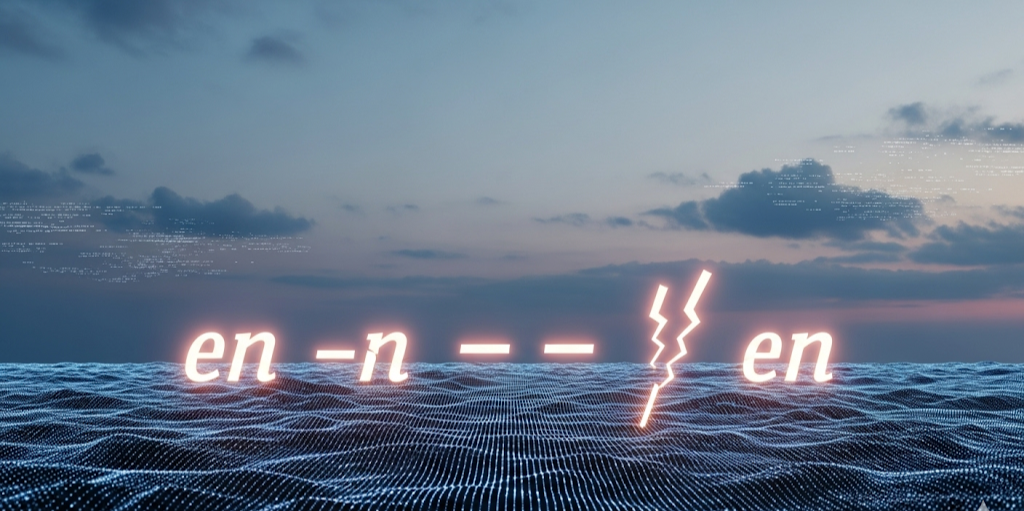
Writing norms are changing as AI becomes a common tool. New standards will emerge for how punctuation like em dashes is used. Readers may grow more accepting of varied punctuation styles. This evolution will reflect both human habits and AI patterns.
Authors might experiment with punctuation more freely, blending traditional and modern uses. AI’s influence on writing style will be part of language’s natural growth. Understanding these shifts will help writers adapt and communicate effectively.
Credit: dailyaitalk.com
Frequently Asked Questions
Why Does Ai Overuse Em Dashes?
AI overuses em dashes because training data includes many examples, and reinforcement learning favors them for clarity and flow. They simplify sentence structure and mimic human writing styles, leading to frequent, sometimes excessive, use.
How To Stop Chatgpt From Using The Em Dash?
To stop ChatGPT from using em dashes, specify in your prompt to avoid them. Use alternatives like commas or parentheses instead. Clearly instruct ChatGPT to favor simpler punctuation in your request. This reduces em dash usage and improves writing style.
Does Chatgpt Use Em Dashes A Lot?
ChatGPT often uses em dashes due to training on texts with frequent em dash usage. It favors them for clarity and emphasis. This can lead to overuse, as the AI treats em dashes as an efficient way to structure sentences and connect ideas smoothly.
Can You Overuse An Em Dash?
Yes, overusing an em dash can clutter writing and confuse readers. Use it sparingly to maintain clarity and flow.
Why Does Ai Overuse Em Dashes In Writing?
AI learns from texts where em dashes are common, so it uses them often to connect ideas or add pauses.
How Can I Reduce Em Dash Overuse In Ai Content?
Edit the text manually, replacing some em dashes with commas, periods, or other punctuation marks.
What Problems Does Em Dash Overuse Cause In Ai Writing?
Too many em dashes can make sentences confusing and harder to read for many people.
Are Em Dashes Necessary In Ai-generated Texts?
Em dashes are useful but should be used sparingly to keep writing clear and natural.
How Does Ai Decide When To Use An Em Dash?
AI favors em dashes because they are versatile and simple for connecting thoughts in sentences.
Can Rewriting Improve Ai Text With Too Many Em Dashes?
Yes, rewriting helps balance sentence flow and reduces clutter caused by excessive em dash use.
Conclusion
Em dashes can add style but too many confuse readers. Use them sparingly to keep writing clear and smooth. Balance em dashes with other punctuation for variety. Practice editing to spot and reduce overuse. Writing with simple, clean sentences helps readers stay engaged.
Remember, good punctuation guides meaning without distraction. This way, your writing stays natural and easy to follow.