You’ve probably wondered if AI is helping or harming our planet. While AI powers many of the tools you use daily, it also demands a lot of energy and resources behind the scenes.
This hidden cost can affect the environment in ways you might not expect. From massive data centers consuming huge amounts of electricity to the mining of rare materials needed for AI hardware, the impact is real—and growing. But how bad is it, really?
And what can be done to make AI greener? Keep reading to uncover the surprising truth about AI’s environmental footprint—and what your role could be in shaping a more sustainable future.
Energy Use In Ai
Artificial intelligence requires a lot of energy to work. This energy use affects the environment in many ways. Data centers and computers run AI programs, and they need power all the time. Understanding how AI uses energy helps us see its environmental impact clearly.
Training Complex Models
Training AI models takes huge amounts of energy. These models learn from large data sets, which means many calculations. This process can last days or weeks. Powerful computers run non-stop during this time. The energy comes mostly from electricity, which often comes from fossil fuels. This leads to high carbon emissions.
Running Ai Systems
After training, AI systems keep running to provide services. For example, voice assistants and recommendation engines use AI constantly. These systems need servers that stay online 24/7. This continuous use adds more energy demand. Even small tasks add up when millions of users connect. The total energy use grows as AI becomes more popular.
Impact On Power Grids
AI’s energy demand puts pressure on power grids. Grids must supply more electricity to data centers and servers. This can cause overloads or require new power plants. Many regions rely on non-renewable energy sources. This increases pollution and harms the environment. The growing energy needs of AI could challenge future energy planning.
Water Consumption Issues
Water consumption is a critical issue linked to AI technology. Large amounts of water are needed to keep AI systems running smoothly. This demand affects local water supplies and ecosystems. Understanding these impacts is vital for sustainable AI development.
Cooling Data Centers
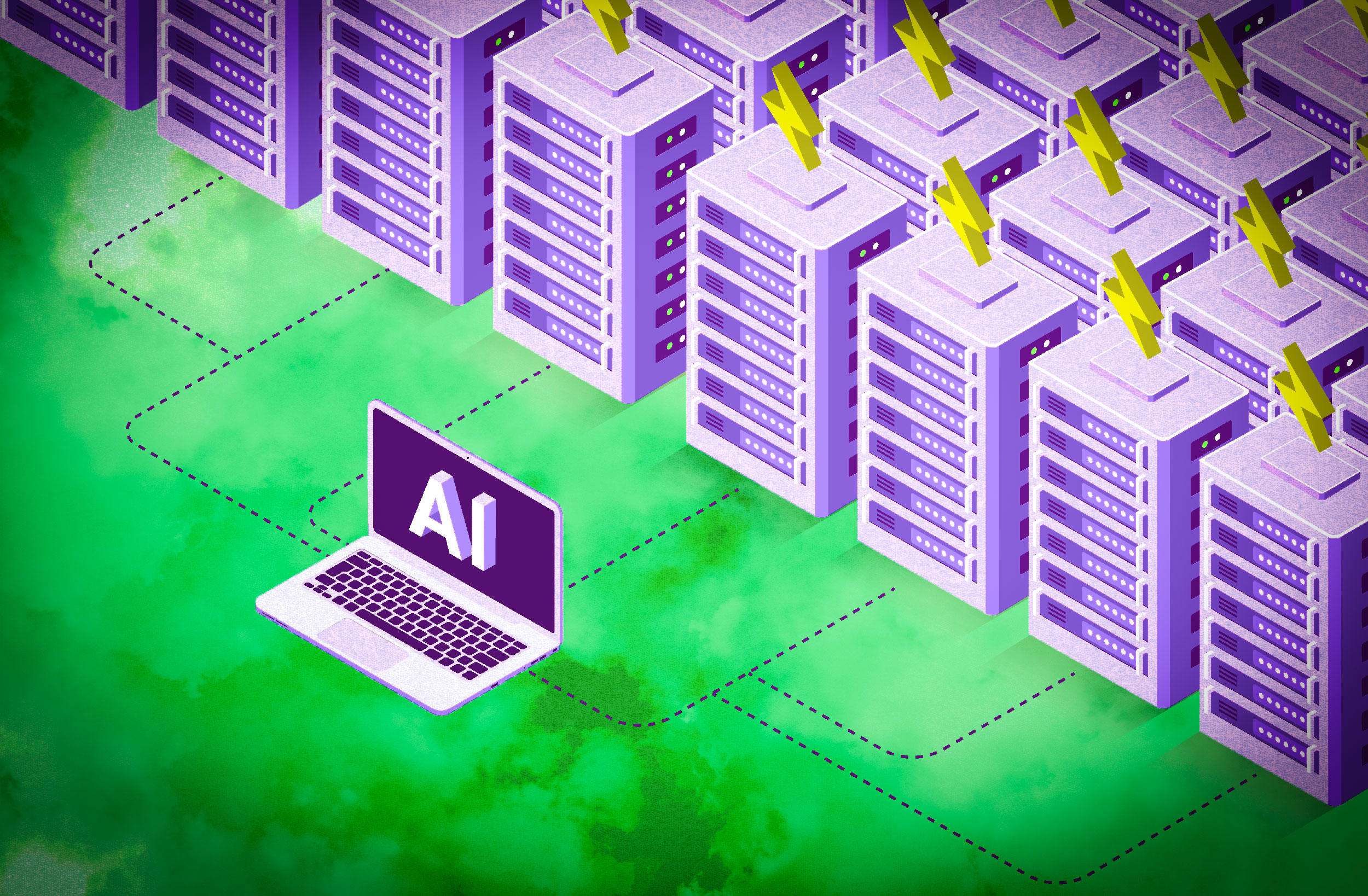
Data centers house AI servers that produce a lot of heat. Water is often used to cool these servers and prevent overheating. This cooling process consumes millions of gallons of water daily. Some data centers use advanced cooling systems, but many still rely on water-based cooling. The high water use raises concerns about sustainability and environmental impact.
Water Resource Strain
Many data centers are located in areas already facing water shortages. Using large volumes of water for cooling puts extra pressure on these regions. This strain can reduce water availability for local communities and agriculture. It may also harm nearby rivers and lakes by lowering water levels. Responsible water management is essential to reduce this strain and protect water resources.
Carbon Footprint Of Ai
The carbon footprint of AI refers to the total greenhouse gas emissions caused by artificial intelligence technologies. AI systems need vast amounts of energy to work. This energy comes from data centers, manufacturing hardware, and mining materials. These processes emit carbon dioxide and other gases that warm the planet.
Understanding AI’s carbon footprint helps us see its environmental impact. It also guides efforts to reduce emissions and build greener AI solutions.
Emissions From Data Centers
Data centers store and process huge amounts of AI data. They run powerful computers 24/7. This constant operation demands a lot of electricity. Many data centers still rely on fossil fuels for power. This leads to high carbon emissions. Cooling systems in data centers use additional energy. Without efficient cooling, equipment can overheat and fail. These combined energy needs make data centers a major source of AI-related emissions.
Mining And Manufacturing Impact
AI hardware depends on metals like silicon, gold, and rare earth elements. Mining these materials consumes energy and damages ecosystems. It causes soil erosion, water pollution, and habitat loss. Manufacturing chips and devices requires more energy and resources. The process produces waste and releases greenhouse gases. Frequent hardware upgrades add to the environmental toll. Mining and manufacturing are critical yet often overlooked parts of AI’s carbon footprint.

Credit: www.reddit.com
Electronic Waste Challenges
Electronic waste poses a growing challenge as AI technology advances rapidly. New AI models need powerful hardware that becomes outdated fast. This leads to a rise in discarded devices, adding to the global e-waste problem. Proper handling of this waste is crucial to protect the environment.
AI’s demand for frequent hardware upgrades and the toxic materials in these devices create serious disposal issues. Without careful management, electronic waste harms ecosystems and human health.
Frequent Hardware Upgrades
AI systems require constant hardware improvements to run efficiently. Companies replace servers, GPUs, and chips often to keep up with AI growth. Older equipment becomes useless and is thrown away. This cycle generates large amounts of electronic waste. Many devices end up in landfills instead of being recycled.
Rapid upgrades speed up resource consumption. Mining for new metals and materials increases. This adds pressure on the environment and depletes natural resources.
Toxic Waste Disposal
Electronic waste contains harmful substances like lead, mercury, and cadmium. These toxic chemicals can leak into soil and water if not disposed of properly. Contaminated environments affect plants, animals, and people’s health. Workers handling e-waste without safety measures face serious risks.
Safe disposal and recycling of electronic waste are essential. Proper recycling recovers valuable materials and reduces pollution. Poor management of toxic waste worsens environmental damage linked to AI technology.
Mining For Ai Materials
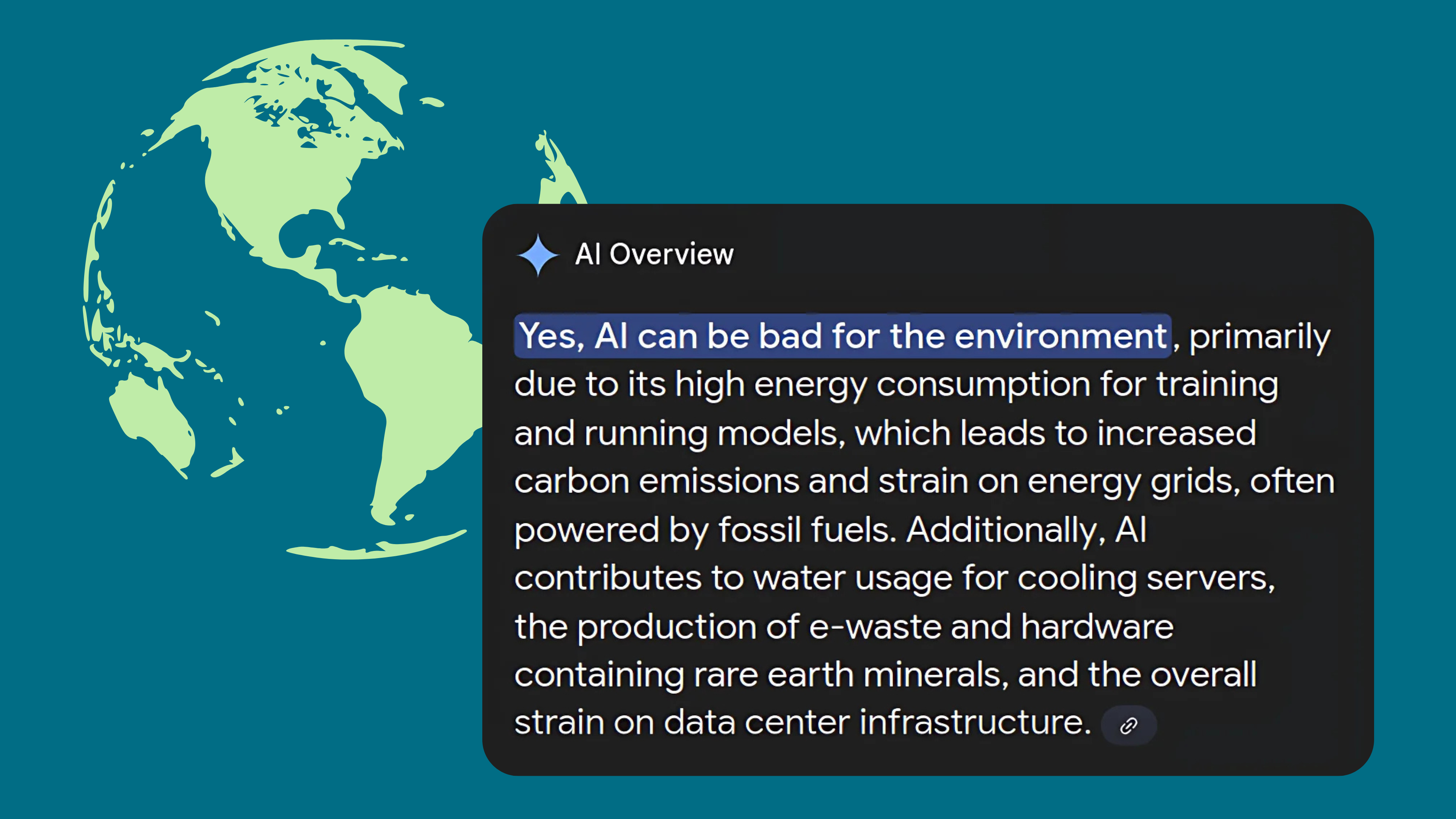
Mining for AI materials is a crucial part of building artificial intelligence systems. AI hardware needs metals and minerals extracted from the earth. These raw materials include rare earth elements, gold, and silicon. Mining these resources can have serious environmental consequences. Understanding these impacts helps reveal why AI might be bad for the environment.
Environmental Damage
Mining operations often cause soil erosion and water pollution. Chemicals used in mining can leak into rivers and lakes. This pollution harms plants, animals, and human health. Mining sites also destroy natural habitats and reduce biodiversity. The heavy machinery used emits greenhouse gases, adding to climate change. These effects make mining one of the major threats to the environment.
Resource Depletion
AI requires many rare minerals, which are limited in supply. Extracting these minerals rapidly depletes natural reserves. Some materials are found only in a few places worldwide. This scarcity creates competition and often leads to unsustainable mining practices. As demand for AI grows, resource depletion could worsen. It raises concerns about the long-term availability of essential materials for technology.
Credit: tuta.com
Ai And Climate Misinformation
Artificial intelligence (AI) plays a growing role in sharing information about climate change. This technology can influence what people believe about the environment. AI tools, like chatbots and social media algorithms, sometimes spread wrong or misleading climate facts. This can confuse the public and slow down efforts to fight climate change.
Spreading False Climate Data
AI can create and share false climate information quickly. It may generate fake reports or images that look real. These false data points can mislead readers about the state of the planet. Some AI models repeat climate denial or inaccurate predictions. This false information spreads easily on social media and websites. The speed and reach of AI make it hard to stop the spread of wrong facts.
Impact On Public Awareness
Wrong climate information from AI affects how people see the environment. Many rely on online sources powered by AI for their news. If AI shares false data, it lowers trust in real climate science. People may doubt the need for urgent action or ignore important warnings. This confusion can reduce support for green policies and solutions. Clear and truthful information is essential to keep public awareness strong.
Global Pollution Contributors
Global pollution stems from many sources worldwide. These sources vary by country and industry type. Pollution affects air, water, and soil quality. Understanding who contributes most helps target solutions.
AI’s environmental impact ties to energy use and resource demand. The energy powering AI often comes from polluting sources. This makes certain countries and industries key players in global pollution.
Major Emitting Countries
Some countries produce more pollution due to their size and energy choices. China leads in carbon emissions because of its heavy coal use. The United States follows with large industrial and transportation emissions.
India’s rapid growth also raises pollution levels significantly. Many developing nations increase emissions as they industrialize. These countries rely on fossil fuels to power growth.
These major emitters influence global pollution trends. Their choices on energy sources affect worldwide environmental health.
Industrialization Effects
Industrial growth boosts economic progress but often harms the environment. Factories emit greenhouse gases and release waste into nature. Energy consumption rises sharply during industrialization phases.
Mining for materials used in AI hardware causes soil and water pollution. Manufacturing hardware requires electricity, often generated from fossil fuels. Waste from outdated technology adds to pollution problems.
As industries grow, pollution control measures often lag behind. This increases the environmental toll of rapid development.
Credit: news.mit.edu
Ai’s Role In Environmental Solutions
Artificial intelligence plays a key role in tackling environmental challenges. It helps us manage resources smarter and study climate changes more deeply. AI tools support clean energy and protect natural habitats. This section explores how AI aids environmental solutions effectively.
Optimizing Energy Use
AI improves energy efficiency in many systems. It controls smart grids to balance supply and demand. This reduces energy waste and cuts emissions. AI also manages heating and cooling in buildings to save power. Factories use AI to run machines at optimal times. These actions lower overall energy consumption and pollution.
Supporting Climate Research
AI analyzes large data sets faster than humans. It helps predict weather patterns and extreme events more accurately. Scientists use AI models to study climate impacts on ecosystems. AI processes satellite images to track deforestation and ice melt. This information guides policies and conservation efforts worldwide. AI speeds up research that fights climate change.
Reducing Ai’s Environmental Impact
Reducing AI’s environmental impact is essential for a sustainable future. AI systems use a lot of energy and materials, which can harm the planet. Efforts to lower this impact focus on smarter technology and responsible sourcing.
Improving Hardware Efficiency
Better hardware uses less power and runs cooler. New chips and processors are designed to do more work with less energy. This reduces electricity needs and limits heat production in data centers.
Energy-efficient hardware also lasts longer, cutting down waste. Developers optimize AI software to require fewer calculations. These improvements help lower the overall carbon footprint of AI systems.
Sustainable Resource Sourcing
AI hardware depends on minerals like gold and rare earth elements. Mining these materials can damage ecosystems and pollute water. Using recycled materials reduces the need for new mining.
Companies can choose suppliers that follow strict environmental rules. Sustainable sourcing means less soil erosion and fewer harmful chemicals. Supporting ethical mining practices helps protect communities and nature.
Policy And Regulation Needs
AI’s rapid growth raises urgent questions about its environmental impact. To reduce harm, clear policies and regulations must guide AI development and use. These rules help balance innovation with sustainability. They ensure AI systems do not overuse resources or cause pollution.
Governments and industries play key roles. They must set limits on energy use, promote clean technology, and enforce proper waste management. Without strong policies, AI’s environmental footprint will keep growing.
Government Actions
Governments need to create laws that limit AI’s energy consumption. They can require data centers to use renewable energy. Regulations should push companies to report their AI’s carbon footprint. Penalties for violations must be strict enough to ensure compliance.
Funding research on green AI technologies is vital. Governments should support innovations that reduce power needs. They must also develop standards for recycling AI hardware to prevent toxic waste.
Industry Standards
Industries must adopt clear standards to make AI more eco-friendly. These standards should cover energy efficiency and resource use. Companies can share best practices for sustainable AI development. Voluntary certifications could encourage greener products and services.
Collaboration across the AI sector will improve transparency and accountability. Industry groups should work with regulators to set realistic goals. This joint effort can drive progress toward lower emissions and less waste.
Frequently Asked Questions
How Harmful Is Ai To The Environment?
AI harms the environment mainly through high energy use, causing carbon emissions and water consumption. It also generates electronic waste and relies on mining rare minerals, which pollutes ecosystems. AI can strain energy grids and spread climate misinformation, further impacting environmental efforts negatively.
What Is The 1 Polluter On Planet Earth?
The 1 polluter on Earth is the energy sector, especially fossil fuel power plants. They emit the most carbon dioxide globally.
What Are 5 Disadvantages Of Ai?
Five disadvantages of AI include high energy use, environmental pollution, job losses, bias in decisions, and spreading misinformation.
What Is The 30% Rule In Ai?
The 30% rule in AI means no more than 30% of a dataset should be synthetic to ensure model accuracy and reliability.
How Harmful Is Ai To The Environment?
AI uses a lot of energy and water, causing high carbon emissions and pollution.
Why Does Ai Consume So Much Energy?
Training and running AI models need powerful data centers that use huge electricity.
What Is The Impact Of Ai On Water Resources?
Data centers require large water amounts for cooling, stressing local water supplies.
How Does Ai Contribute To Electronic Waste?
Frequent hardware upgrades for AI create more e-waste, which can pollute soil and water.
What Materials Are Mined For Ai Hardware?
AI relies on rare minerals like silicon, gold, and rare earth elements, causing mining damage.
Can Ai Increase Pollution From Mining Activities?
Yes, mining for AI parts can lead to soil erosion and water contamination.
Conclusion
AI impacts the environment through high energy use and waste. Data centers and mining cause pollution and carbon emissions. Hardware upgrades create more electronic waste, harming soil and water. AI can also spread false climate information, delaying action. Yet, smarter energy use and better recycling can reduce harm.
Cleaner technologies and responsible AI development matter now. The environment needs careful balance with AI progress. Everyone plays a role in making AI greener.