Looking to boost your skills or launch a new career from the comfort of your home? Choosing the right online course platform can make all the difference in your learning journey.
But with so many options out there, how do you find the one that fits your needs perfectly? Whether you want to master data science, improve your marketing game, or explore creative arts, the best online course platforms offer flexible, high-quality courses tailored just for you.
Keep reading to discover the top platforms that will help you learn smarter, stay motivated, and achieve your goals faster than you ever imagined. Your future self will thank you!
Top Platforms For Online Learning
Choosing the right platform is key for effective online learning. The best platforms offer easy navigation, diverse courses, and reliable support. They suit different learners, from beginners to advanced students. Below are some top platforms widely trusted for online education.
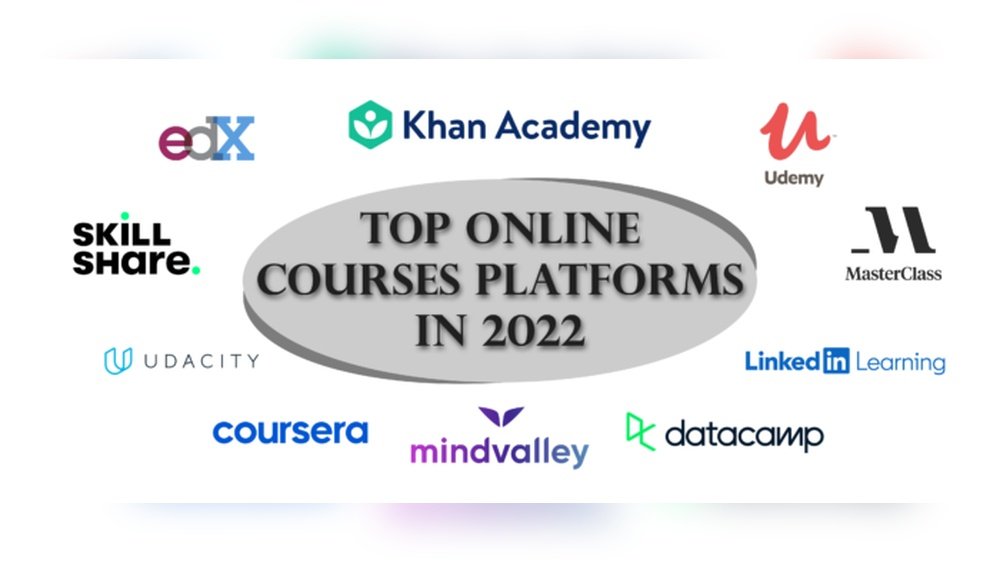
Coursera
Coursera offers courses from top universities worldwide. It covers many subjects, including technology, business, and arts. Most courses let you preview the first module for free. Full access and certificates usually require payment. Financial aid is available for some courses.
Udemy
Udemy hosts thousands of courses on various topics. It focuses on practical skills like coding, design, and marketing. Course prices vary, and frequent discounts make learning affordable. Users can learn at their own pace with lifetime access.
Edx
edX provides university-level courses in multiple fields. It offers free courses with an option to pay for certificates. The platform partners with prestigious institutions like Harvard and MIT. Courses include professional certificates and micro-degrees.
Khan Academy
Khan Academy is a free platform ideal for school students. It offers lessons in math, science, history, and more. The content is easy to understand and designed for all ages. It includes exercises and instructional videos.
Udacity
Udacity specializes in tech and career-focused courses. It offers “Nanodegree” programs with real-world projects. Courses cover data science, programming, and AI. Paid subscriptions provide mentorship and career support.
Credit: marketingwithwp.com
Features To Look For
Choosing the right online course platform requires knowing which features matter most. These features affect how easy and enjoyable the learning experience will be.
Good platforms offer tools that help both instructors and students stay engaged. The right features can improve course delivery and student success.
Course Creation Tools
Look for platforms with simple course builders. Drag-and-drop editors save time and effort. Ability to add videos, quizzes, and assignments is important. Support for various content types keeps courses interesting.
User Experience
A clean and intuitive interface helps learners focus on the material. Mobile-friendly design allows access from any device. Fast loading times reduce frustration and dropout rates.
Student Engagement Features
Interactive elements like quizzes and discussions boost learning. Gamification tools such as badges motivate students. Live sessions or webinars create real-time interaction opportunities.
Payment And Monetization Options
Flexible pricing models attract more students. Look for multiple payment gateways for convenience. Features like coupons and subscriptions help grow revenue.
Analytics And Reporting
Tracking student progress helps improve courses. Detailed reports show enrollment and completion rates. Insights allow instructors to tailor content to student needs.
Customer Support
Reliable support minimizes downtime and technical issues. Look for 24/7 help via chat, email, or phone. Helpful resources like tutorials and FAQs add value.
Popular Course Categories
Online course platforms offer a wide range of subjects. Popular course categories attract learners with different goals. These categories help users find courses that match their interests and careers.
Technology And Data
Courses in technology and data focus on skills in high demand. Topics include programming, data science, artificial intelligence, and cybersecurity. These courses teach practical skills for jobs in tech industries. Many platforms offer beginner to advanced levels in this category. Hands-on projects help learners apply what they study.
Business And Marketing
Business and marketing courses cover essential skills for entrepreneurs and professionals. Topics include management, finance, digital marketing, and sales strategies. These courses help improve leadership and communication skills. Learners gain knowledge to grow businesses or advance careers. Real-world examples and case studies make learning relevant.
Creative And Personal Growth
Creative and personal growth courses inspire self-expression and development. This category includes art, writing, photography, and mindfulness. Courses help improve creativity and mental well-being. They support learners in exploring hobbies and passions. Many courses offer flexible formats for personal learning journeys.
Credit: uteach.io
Pricing Models Compared
Understanding the pricing models of online course platforms helps you choose the best fit. Different platforms offer various payment options. These affect your budget and learning experience. Some charge monthly fees, others take a cut from course sales. Knowing how each model works guides smarter decisions.
Let’s compare the common pricing models used by popular platforms. This will help you find a platform that matches your needs and budget.
Subscription-based Pricing
Subscription pricing requires a monthly or yearly fee. You get access to many courses during your subscription. This model suits learners who want to study multiple topics. Platforms like Coursera and LinkedIn Learning use this style. It often includes certificates and extra resources. You pay regularly but get unlimited learning.
One-time Payment
One-time payment means you buy a course forever. You pay once and keep access to that course. Udemy often uses this model. It is good if you want to focus on one subject. Prices vary by course length and content. No extra fees come after purchase. You own the course without ongoing costs.
Revenue Sharing
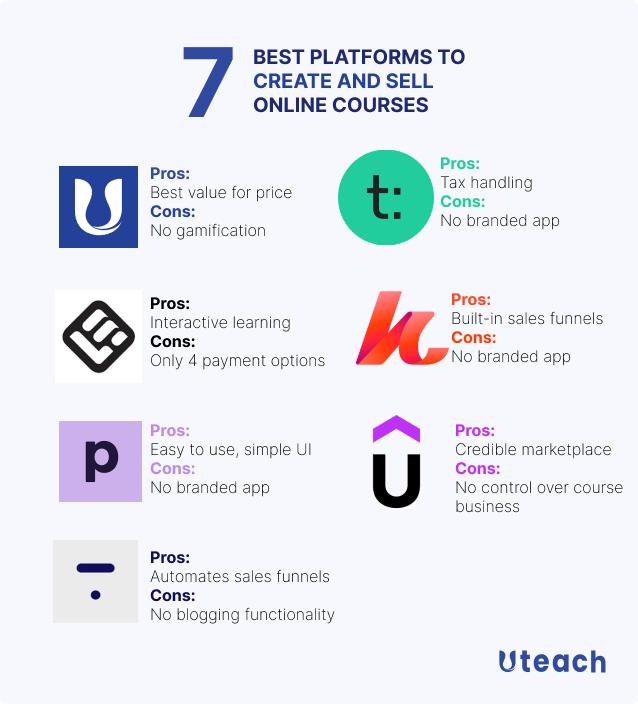
Revenue sharing splits income between the instructor and platform. Platforms like Teachable and Thinkific use this. Instructors earn a share of course sales. The platform takes a percentage for hosting and marketing. This model benefits instructors but may cost learners more. Some platforms combine this with monthly fees.
Free With Paid Certificates
Some platforms offer free course access but charge for certificates. Coursera and edX often use this model. You can learn without paying. Payment is needed only if you want a certificate. This suits learners who want knowledge without proof. Certificate fees vary by course and platform.
Free Access And Trials
Free access and trials offer a risk-free way to explore online course platforms. They let learners test the content and interface before making any payment. This helps users decide which platform fits their needs best.
Many platforms provide limited free courses or trial periods. These options give a glimpse of the learning experience without immediate cost. Free access also supports learners with tight budgets.
Free Course Previews
Some platforms let users preview parts of courses for free. Usually, the first module or lesson is accessible without payment. This helps learners judge the quality and style of teaching.
Previews often include video lectures and sample assignments. Users can see if the course matches their learning goals. It also reduces the chance of disappointment after purchase.
Trial Periods
Trial periods allow full access to courses for a limited time. Typically, trials last from seven to thirty days. During this time, users can explore course content and resources fully.
Trials help learners test the platform’s features and support services. Users can decide if they want to continue with a paid subscription. Many platforms require a credit card to start a trial.
Financial Aid And Discounts
Financial aid options help learners afford paid courses. Some platforms offer scholarships or discounts for eligible students. Applications for aid usually require proof of need.
Discounts may appear during special promotions or holidays. These offers reduce the cost of courses or subscriptions. Learners should check the platform’s website regularly for deals.
Certification And Credentials
Certification and credentials play a key role in online learning. They prove the skills and knowledge gained from a course. Many online platforms offer certificates to show course completion. These certificates help learners build trust and credibility. Employers often value certifications as proof of expertise. Some platforms also provide credentials that hold industry recognition. Choosing a platform that offers valid certification adds value to your learning journey.
Types Of Certifications Offered
Online course platforms provide different types of certificates. Some offer simple completion certificates. Others give professional or industry-recognized credentials. Certain platforms partner with universities or companies to issue verified certificates. These certificates may include digital badges for easy sharing. Course certificates vary in value depending on the provider. Check the type of certification before enrolling in a course.
Verification And Credibility Of Certificates
Verification ensures that certificates are authentic and valid. Most platforms use secure methods to verify certificates. Digital certificates often include a unique ID or QR code. This helps employers or recruiters confirm the certificate’s legitimacy. Credible platforms maintain partnerships with recognized institutions. Verified certificates carry more weight in the job market. Always choose platforms that offer trusted verification systems.
Benefits Of Earning Credentials Online
Credentials from online courses boost your resume and LinkedIn profile. They show commitment to learning and skill development. Many employers recognize online credentials as proof of knowledge. Earning a certificate can open doors to new job roles. It can also help with career advancement and salary raises. Online credentials provide flexibility and affordability for learners worldwide.
User Experience And Interface
User experience and interface play a key role in online course platforms. They affect how easily learners navigate and engage with content. A smooth interface reduces frustration and boosts learning efficiency.
Clear design helps students focus on lessons without distractions. Simple menus and intuitive controls make course access faster. Platforms that prioritize usability keep users coming back.
User-friendly Navigation
Easy navigation guides students through courses step-by-step. Menus should be simple and clearly labeled. Search functions help find courses and materials quickly. Breadcrumbs and progress bars show where learners are in the course.
Responsive And Mobile-friendly Design
Many users access courses on phones and tablets. Platforms must adapt to different screen sizes smoothly. A responsive design ensures content looks good everywhere. Mobile-friendly interfaces allow learning anytime, anywhere.
Clean Layout And Visual Appeal
A clean layout improves focus and reduces eye strain. Good use of white space separates content and tools. Consistent fonts and colors make reading easy. Visual appeal keeps users engaged and motivated.
Interactive Elements And Feedback
Interactive quizzes and assignments enhance learning. Immediate feedback helps students understand mistakes and improve. Tools like discussion boards and chat support peer interaction. Engagement features create a lively learning environment.
Mobile Learning Options
Mobile learning options have become vital for online course platforms. They allow learners to study anytime and anywhere using smartphones or tablets. This flexibility supports busy schedules and on-the-go learning.
Platforms that offer strong mobile features improve user experience. They include apps with offline access, interactive content, and easy navigation. These features help learners stay engaged and complete courses effectively.
Responsive Mobile Apps
Top online course platforms provide dedicated mobile apps. These apps adapt to different screen sizes for smooth use. Learners can watch videos, download materials, and track progress on their devices.
Offline Access To Course Content
Offline access is crucial for mobile learners. It allows downloading lessons to study without internet. This feature supports learning during travel or in low connectivity areas.
Interactive Mobile Features
Interactive tools like quizzes and discussions work well on mobile. They keep learners active and improve knowledge retention. Platforms integrate these features to boost engagement on small screens.
Push Notifications And Reminders
Push notifications help learners stay on schedule. They send reminders for upcoming lessons or deadlines. This encourages regular study habits and reduces course dropouts.
Career Advancement Support
Career advancement support is a key feature of top online course platforms. It helps learners improve skills and find new job opportunities. These platforms offer tools and resources to boost your professional growth.
Support for career growth can include personalized coaching, job placement assistance, and skill assessments. This guidance makes it easier to move forward in your career path.
Personalized Career Coaching
Many platforms provide one-on-one coaching sessions. Coaches help set career goals and create plans to reach them. They offer advice on resumes, interviews, and networking. This personal support increases your chances of success.
Job Placement Assistance
Some platforms connect students with employers directly. They share job openings that match your new skills. This service reduces the time spent searching for jobs. It also links you to companies that value online learning.
Skill Assessments And Certifications
Skill tests show your strengths and areas to improve. Certificates prove your knowledge to employers. Platforms offer badges and certificates that boost your resume. These official recognitions enhance your professional profile.
Networking Opportunities
Career support often includes access to professional communities. You can join forums, groups, and live events. This helps build connections with peers and industry experts. Networking can lead to job referrals and partnerships.
Credit: ezycourse.com
Choosing The Right Platform For You
Choosing the right online course platform is key to your learning success. Each platform offers unique features and benefits. Understanding your needs helps you pick the best one.
Consider your goals, budget, and the type of courses you want. Some platforms focus on professional skills, while others offer general knowledge. Ease of use and support also matter.
Course Variety And Quality
Check the range of courses available. A good platform offers many topics and up-to-date content. Read reviews to judge course quality. Choose platforms that match your interests.
Pricing And Payment Options
Compare prices and payment plans. Some platforms offer free courses or trials. Others require subscriptions or one-time fees. Look for options that fit your budget and learning pace.
User Experience And Support
Easy navigation improves your learning flow. Platforms should have clear layouts and fast loading times. Reliable customer support helps solve issues quickly. Test the platform before committing.
Certification And Recognition
Check if the platform provides certificates after course completion. Certificates can boost your resume or LinkedIn profile. Some platforms partner with universities or companies for recognized credentials.
Mobile Access And Flexibility
Learning on the go needs a mobile-friendly platform. Apps or mobile sites let you study anytime, anywhere. Flexible schedules and self-paced courses help balance learning with daily life.
Frequently Asked Questions
What Is The Most Used Platform For Online Classes?
The most used platform for online classes is Coursera. It offers diverse courses in tech, business, and personal development.
Is Coursera No Longer Free?
Coursera is no longer fully free. You can access some course previews for free, but full content usually requires payment or subscription. Financial aid and limited free courses without certificates remain available. Auditing courses without certificates is now less common.
What Is The Most Popular Online Course?
The most popular online courses focus on data science, computer science, cybersecurity, digital marketing, web development, and business skills.
Which Type Of Online Course Is Best?
The best online course matches your goals, learning style, and skill level. Popular types include tech, business, and personal development courses. Choose interactive, well-reviewed courses with clear outcomes for effective learning.
What Are The Best Platforms For Creating Online Courses?
Top platforms include Udemy, Coursera, Teachable, Thinkific, and Kajabi for easy course creation.
Which Platform Offers The Most User-friendly Interface?
Teachable and Thinkific are known for simple, clean, and easy-to-navigate user interfaces.
Can I Sell Courses Directly On These Platforms?
Yes, most platforms like Udemy and Kajabi allow direct course sales and payment processing.
Do These Platforms Support Video And Quizzes?
Yes, they support videos, quizzes, assignments, and interactive content to engage learners.
Are There Free Options To Start An Online Course?
Some platforms like Udemy offer free course creation, but advanced features often require payment.
Which Platforms Provide Marketing Tools For Courses?
Kajabi and Thinkific offer built-in marketing tools such as email campaigns and sales funnels.
Conclusion
Choosing the right online course platform depends on your learning goals and budget. Each platform offers unique features and course selections. Consider user experience, course variety, and certification options. Many platforms provide free trials or sample lessons to explore. Focus on platforms that fit your schedule and learning style best.
Online education continues to grow and offers flexible opportunities. Start learning today and enhance your skills at your own pace.