Have you ever felt the sting of being scammed by a small business? It’s frustrating and can leave you feeling powerless.
You trusted them, and now you’re left with a sense of betrayal and loss. But you’re not alone, and there are steps you can take to regain control. We’ll guide you through what to do if a small business scams you.
You’ll learn how to identify your options, protect your rights, and take action to recover your hard-earned money. Don’t let a scam define your experience. Read on to empower yourself and find the answers you need. Your peace of mind is just a few steps away.
Recognizing Signs Of A Scam
Scams can happen to anyone, especially small businesses. Watch for signs like poor communication, vague promises, and requests for unusual payment methods. If you suspect a scam, document everything and report it to local authorities for help. Stay alert and protect your interests.
Recognizing the signs of a scam can save you a lot of trouble. Scammers often use tactics that can seem genuine at first glance. Understanding these signs helps you protect your hard-earned money.Unrealistic Promises
Be wary of businesses that promise extraordinary results for little effort. If it sounds too good to be true, it probably is. For instance, a small startup claimed to double my investment in a month. It was enticing, but I learned the hard way that such promises rarely hold water.Pressure Tactics
Scammers often push you to make quick decisions. They might say the offer is only available for a limited time. This tactic creates a false sense of urgency. Take a step back. Always give yourself time to think.Lack Of Transparency
A trustworthy business should be open about its operations. If you can’t find clear information about their products, services, or pricing, proceed with caution. Check for contact details, physical addresses, and reviews. If these are missing or vague, you might be dealing with a scam.Poor Communication
A small business should be responsive to your questions. If you send an email or make a call, and they don’t reply promptly, that’s a red flag. Scammers often avoid direct communication. They prefer to interact in ways that limit accountability.Too Many Complaints
Before engaging with a business, do your homework. Search for customer reviews and complaints online. If you notice a pattern of negative feedback, take it seriously. One bad review can happen, but multiple complaints should raise alarms.Unprofessional Website
A company’s website is often its first impression. Look for poor design, typos, and broken links. These signs indicate a lack of professionalism. A legitimate business invests in its online presence. Stay alert and trust your instincts. If something feels off, it probably is. Taking the time to recognize these signs can save you from being scammed. Are you prepared to spot the warning signs before it’s too late?Gathering Evidence
Gathering evidence is key after a small business scams you. Strong proof helps in resolving issues. It supports your case with authorities or legal actions. Start by collecting all relevant information.
Collecting Receipts And Contracts
First, find all receipts related to the transaction. These prove what you paid. Keep contracts that outline the deal. Contracts show the terms both parties agreed on. Make copies of these documents. Store them in a safe place.
Documenting Communication
Next, track all communications with the business. Write down dates and times of calls. Note what was discussed. Save emails and messages. These show your attempts to resolve the issue. They can help in proving your case.
Taking Screenshots And Photos
Lastly, take screenshots of online interactions. This includes website pages or social media posts. Capture any ads or promotions that misled you. Photos of the product or service can also help. Visual evidence adds strength to your claims.
Contacting The Business Directly
Contact the business directly to address your concerns. Explain your situation calmly and provide any evidence of the scam. Many times, a simple conversation can lead to a resolution. If that doesn’t work, consider other options like reporting the incident.
Contacting the business directly is often your best first step if you feel you’ve been scammed by a small business. It allows you to address the issue directly with the party involved. Many misunderstandings can be resolved through clear communication.Reaching Out Politely
Begin your communication with a calm and respectful tone. Whether you choose to call or send an email, start with a friendly greeting. Clearly state your issue without assigning blame. For example, instead of saying, “You scammed me,” try, “I believe there was a mistake with my order.” This approach can often lead to a more constructive conversation. Remember, you want to keep the door open for dialogue. A polite approach may surprise you, as many businesses value their reputation and want to resolve issues amicably.Requesting A Resolution
Once you’ve established contact, clearly outline what you want as a resolution. Be specific about your expectations—whether it’s a refund, replacement, or another form of compensation. Use bullet points to list the details of your transaction, including dates, amounts, and any relevant communications. This gives the business a clear picture of your situation. For instance, if you ordered a product that never arrived, mention the order number and the date you placed the order. This clarity can help the business address your issue more efficiently.Setting A Deadline For Response
To encourage a timely resolution, consider setting a deadline for their response. A week is often reasonable. Politely mention, “I would appreciate a response by [insert date].” This timeline creates urgency and shows that you are serious about resolving the matter. If the deadline passes without a reply, follow up to remind them. Make sure to keep all your communications documented. This evidence can be invaluable if you need to escalate the issue later. How do you feel about reaching out directly? Have you had success in resolving issues this way?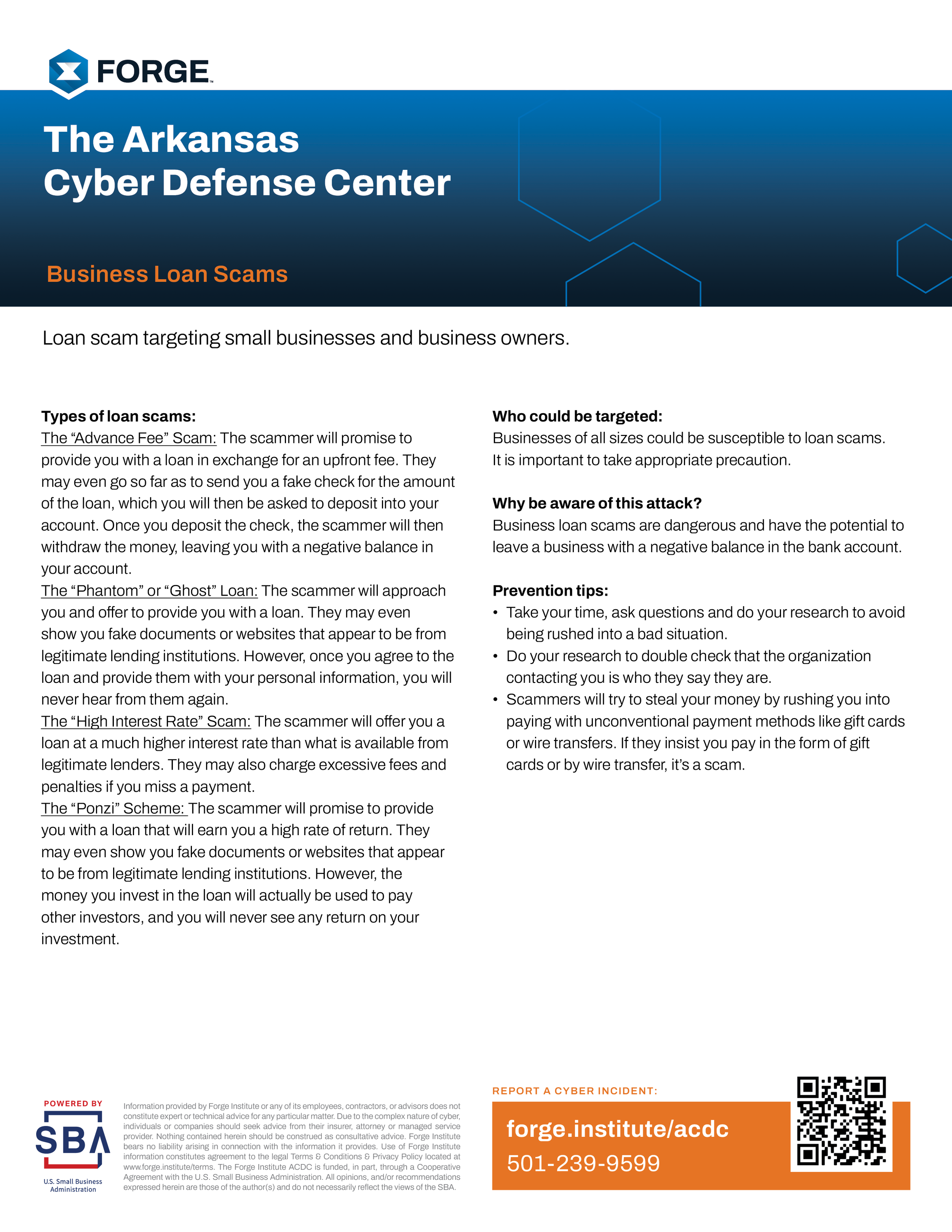
Credit: www.forge.institute
Reporting To Consumer Protection Agencies
Report scams to consumer protection agencies. They help investigate and resolve issues with small businesses. Gather evidence like receipts and messages. Then, file a complaint to protect yourself and others.
Reporting to consumer protection agencies is a crucial step if you find yourself a victim of a small business scam. Knowing where to turn can empower you and help prevent similar situations for others. Let’s break down some effective ways to report scams and seek justice.Filing A Complaint With The Bbb
The Better Business Bureau (BBB) is a well-known organization that helps consumers resolve disputes with businesses. To file a complaint, visit the BBB’s website and navigate to their complaint section. You’ll need to provide details about the business, the nature of the scam, and any attempts you made to resolve the issue directly. Submitting a complaint is straightforward and can lead to a resolution. Many businesses take BBB complaints seriously, as they can affect their rating and reputation. Your experience could help others make informed choices. Have you ever checked a business’s BBB rating before making a purchase?Contacting The Federal Trade Commission
The Federal Trade Commission (FTC) plays a vital role in protecting consumers from fraudulent practices. If you suspect a scam, you can file a complaint through the FTC’s website. They collect reports about scams and business practices, which can lead to investigations. Your report may contribute to larger efforts against fraudulent businesses. Additionally, the FTC offers useful resources to help you understand your rights. Have you ever wondered how many scams go unreported?Exploring Local Consumer Protection Offices
Local consumer protection offices can be invaluable allies in your fight against scams. These offices often handle complaints at the state or city level and can provide personalized assistance. To find your local office, search online for “consumer protection” along with your state or city. They may help you navigate the legal processes or connect you with other resources. Your local office can be a powerful advocate. Have you thought about how local agencies can make a difference in your community? Taking action not only helps you but may also prevent others from falling victim to the same scam.Involving Your Payment Provider
Contacting your payment provider is crucial if you suspect a scam. They can assist in disputing charges and may help recover your funds. Acting quickly increases the chances of a positive outcome. Always keep records of your transactions for reference.
Involving your payment provider is a crucial step if you believe a small business has scammed you. They can assist in recovering your funds and may have additional resources to help you navigate the situation. Understanding how to leverage your payment provider effectively can make a significant difference in resolving your issue.Requesting A Chargeback
A chargeback is one of the most powerful tools at your disposal. If you’ve been scammed, contacting your payment provider to request a chargeback can help you reclaim your money. Gather all relevant information, such as transaction details, communication with the business, and any evidence of the scam. Presenting a clear case increases your chances of a successful chargeback. Timing is crucial, so act quickly after discovering the scam to ensure your request is valid.Reporting Fraud To Your Bank
Your bank plays a vital role in addressing fraud. If you suspect you’ve been scammed, report the incident immediately. They will have specific procedures to follow and may initiate an investigation into the transaction. Keep your bank informed about any developments or additional evidence you uncover. They can also help you understand your rights and what actions you can take next.Checking Credit Card Dispute Policies
Different credit card companies have varying dispute policies. Familiarizing yourself with these can empower you in your case. Visit your credit card issuer’s website or call customer service to understand their process. Look for details on timelines, required documentation, and specific conditions for filing a dispute. Knowing this information can streamline the process and help you navigate the situation more effectively. Taking proactive steps with your payment provider can significantly impact your resolution journey. Have you ever had to deal with a scam? What actions did you take, and what would you do differently now?
Credit: m.facebook.com
Using Online Review Platforms
Online review platforms can help you share your experience if a small business scams you. Report the issue to warn others. Consider leaving a detailed review to inform potential customers about your experience. This way, you can help others avoid similar problems.
Using online review platforms is a powerful way to address scams and share your experience. These platforms allow you to voice your concerns, warn others, and potentially get some resolution. When you encounter a small business that has scammed you, taking action on these platforms can make a significant difference.Writing A Fair Review
Start by providing an honest account of your experience. Describe what happened in clear, straightforward language. – Be specific: Include details like dates, amounts, and what the scam involved. – Stay objective: Focus on the facts without letting emotions cloud your judgment. A well-crafted review can highlight the issues without resorting to anger. It helps others understand the situation and encourages them to be cautious. Your review might just prevent someone else from falling into the same trap.Warning Other Consumers
Your review serves a dual purpose: it warns potential customers and holds the business accountable. – Use relevant keywords: This helps your review show up in search results. – Share it on social media: Amplifying your voice can reach a wider audience. Think about how you would feel if someone had warned you before you made a purchase. This sense of community can be empowering. The more people know, the less likely they are to be scammed.Flagging Suspicious Listings
If you notice a business that seems to be scamming others, take action by flagging their listing. Most review platforms have a feature for reporting suspicious behavior. – Provide evidence: Attach screenshots or documents if possible. – Follow up: Check back to see if the platform took action. Your vigilance can lead to the removal of fraudulent businesses. It’s not just about protecting yourself but also about creating a safer environment for others. Every report contributes to a more trustworthy marketplace. Taking these steps can empower you in a frustrating situation. Are you ready to share your experience and help others avoid scams?Seeking Legal Assistance
Being scammed by a small business can be frustrating. You may feel lost and unsure of what to do next. Seeking legal help can provide clarity and direction. It allows you to understand your rights and options. Legal assistance may help you recover your losses.
Consulting A Lawyer
A lawyer can guide you through the process. They understand the laws that protect consumers. A consultation can help you assess your case. A lawyer will look at the evidence you have. They will advise if you can take legal action.
Choose a lawyer experienced in consumer protection. Ask about their track record with similar cases. This ensures you get the best advice. Many lawyers offer free initial consultations. Use this opportunity to ask questions.
Exploring Small Claims Court
Small claims court is an option for many cases. This court handles disputes involving smaller amounts of money. The process is usually simpler and faster than traditional court. You do not need a lawyer to represent you.
Each state has a limit on the amount you can claim. Check your local laws for these limits. Prepare your evidence, documents, and any witnesses. Present your case clearly to the judge.
Understanding Arbitration Options
Arbitration is another way to resolve disputes. It is less formal than court. In arbitration, a neutral third party decides the outcome. This can save time and money.
Many businesses include arbitration clauses in contracts. Read your agreements carefully. Understand your rights before agreeing to arbitration. This option may require you to give up your right to a court trial.
Credit: www.jmbfinmgrs.com
Preventing Future Scams
Preventing future scams is essential for protecting your hard-earned money and peace of mind. With the rise of online businesses and various scams, staying vigilant is more important than ever. Here are some effective strategies to ensure you don’t fall victim to scams again.
Researching Businesses Thoroughly
Before making a purchase or engaging with a new business, do your homework. Check their website for contact information and physical addresses. A legitimate business will provide clear and accessible details.
Use online resources to verify their registration and legitimacy. Look for licenses, permits, or certifications relevant to their industry. This step can save you from potential scams.
Don’t hesitate to reach out directly. A quick phone call can reveal a lot about their customer service and reliability. If a business avoids your questions or provides vague answers, consider it a red flag.
Reading Reviews And Testimonials
Customer reviews can be invaluable in determining a business’s trustworthiness. Look for reviews on multiple platforms, not just their website. This way, you get a more balanced view.
Pay attention to patterns in the feedback. If multiple reviews mention similar issues, take them seriously. Positive testimonials are great, but they shouldn’t be the only factor in your decision-making.
Don’t be swayed by overly positive or suspiciously vague reviews. Genuine reviews often include specific details about the customer experience. If it sounds too good to be true, it probably is.
Avoiding Deals That Seem Too Good
Be cautious of prices that seem unusually low. Scammers often lure you in with incredible deals that are hard to resist. If a deal feels off, trust your instincts and investigate further.
Compare prices across different platforms. If a product is significantly cheaper on one site, dig deeper. Research the product and the seller to ensure it’s not a scam.
Consider whether the deal aligns with market standards. If it sounds too good to be true, take a step back. It’s better to miss out on a deal than to lose your money to a scam.
Have you ever encountered a deal that made you question its legitimacy? Sharing experiences can help others avoid similar pitfalls. Stay informed and protect yourself by being proactive in your approach.
Frequently Asked Questions
What Steps To Take If Scammed By A Business?
If you’ve been scammed by a business, first document all interactions. Gather receipts, emails, and messages as evidence. Next, contact the business directly to resolve the issue. If unresolved, file a complaint with consumer protection agencies. Consider reporting the scam to local authorities as well.
How Can I Report A Scam Business?
To report a scam business, visit your local consumer protection agency’s website. They typically have online forms for complaints. You can also report to the Better Business Bureau (BBB) and the Federal Trade Commission (FTC). Sharing your experience can help others avoid similar scams.
Can I Get My Money Back After Being Scammed?
Recovering your money after a scam can be challenging. Start by contacting your bank or credit card provider to dispute the transaction. Many financial institutions offer fraud protection services. If that fails, consider legal action or small claims court, depending on the amount lost.
What Evidence Do I Need To Prove A Scam?
To prove a scam, gather all relevant documentation. This includes receipts, emails, text messages, and any advertisements. Keep a detailed account of conversations with the business. This evidence will be crucial when filing complaints or pursuing legal action.
Conclusion
Facing a scam from a small business can be tough. It’s important to take action quickly. Report the scam to the right authorities. This helps protect others from falling victim. Reach out to your bank or credit card company for assistance.
They can help you recover funds. Sharing your experience can warn others. Stay informed about your rights as a consumer. Taking these steps will empower you. You deserve a fair shopping experience. Stay vigilant and trust your instincts in the future.
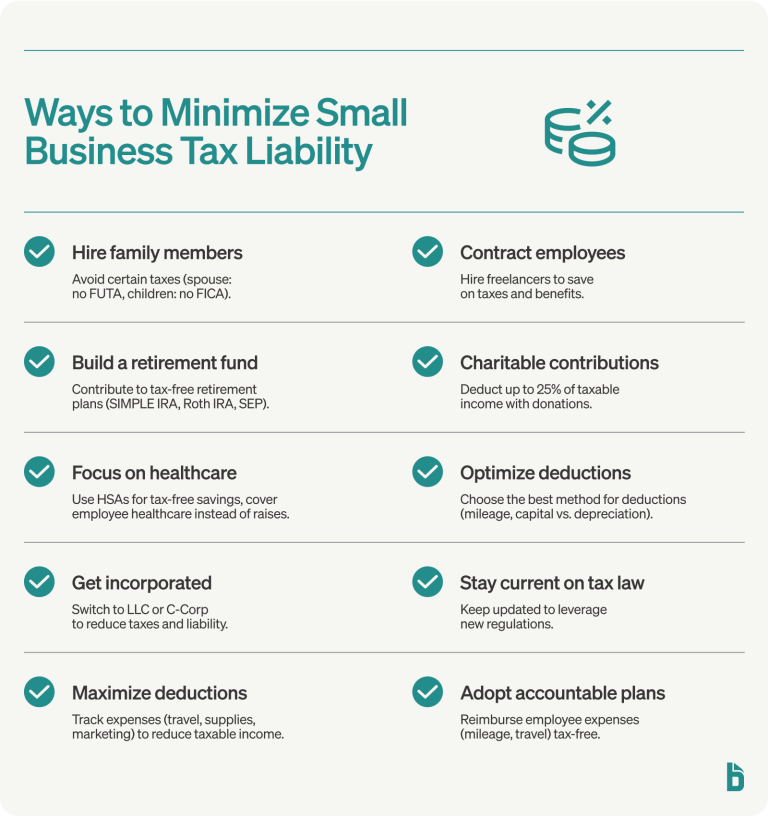 How to Avoid Taxes As a Small Business Owner: Legal Strategies
 What is the Meaning of Small Business Entrepreneurship: Explained
 How to Start a Small Business Step by Step: Ultimate Guide