Are you curious about the landscape of small businesses in the United States? You’re not alone.
Small businesses play a vital role in the economy, and understanding their numbers can give you valuable insights into your own entrepreneurial journey. We’ll uncover just how many small businesses operate across the country and what that means for you.
Whether you’re considering starting your own venture or simply want to know more about the business world around you, the statistics and trends we’ll discuss will be eye-opening. Keep reading to discover the impact of small businesses and how they might inspire your next steps.
Credit: www.hiveage.com
Small Business Landscape
The small business landscape in the U.S. is vibrant and ever-changing. It’s not just a part of the economy; it’s a driving force behind innovation, job creation, and community development. With millions of small businesses operating across various sectors, understanding this landscape is crucial for anyone interested in entrepreneurship or supporting local economies.
Current Statistics
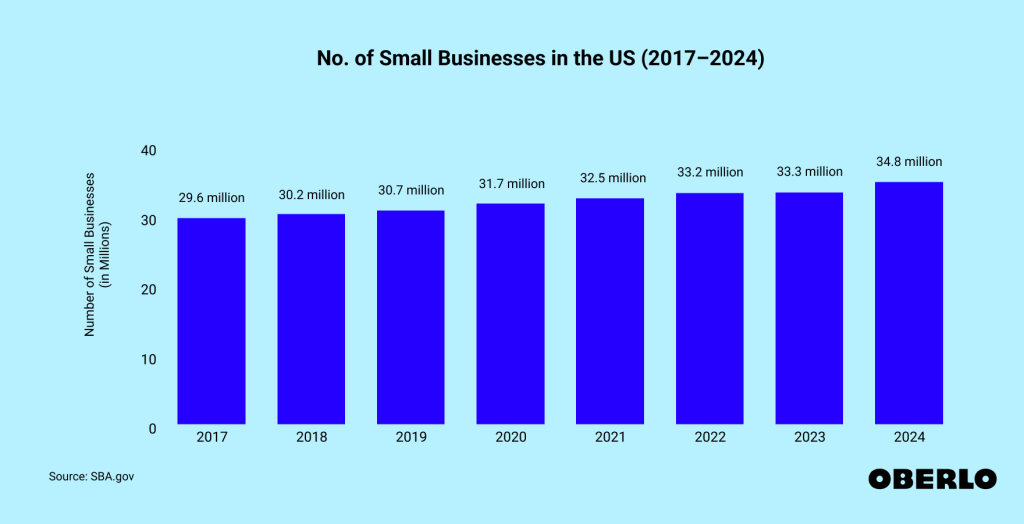
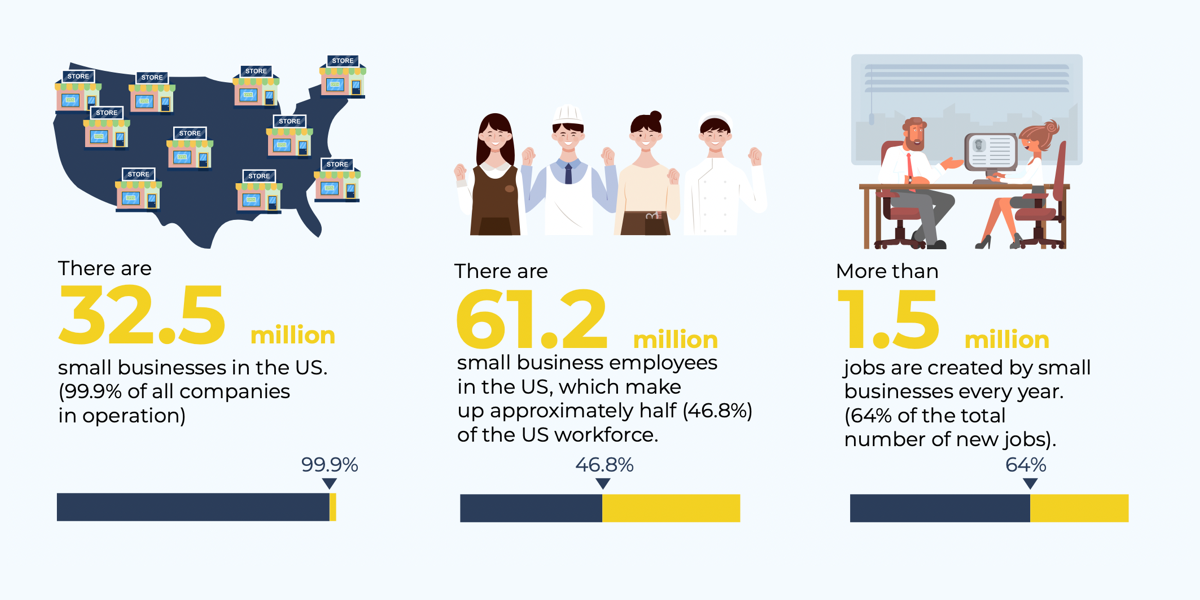
As of 2023, the U.S. is home to approximately 32 million small businesses. These businesses make up 99.9% of all U.S. businesses. They employ nearly 61 million people, accounting for 47.3% of the private workforce.
- Small businesses are defined as those with fewer than 500 employees.
- They contribute roughly 44% of the total U.S. economic activity.
- Almost 70% of small businesses are sole proprietorships.
Industry Diversity
The diversity of small businesses is remarkable. They span across various industries, from retail and healthcare to technology and manufacturing. This variety fuels competition and innovation.
For instance, my friend’s bakery started as a small operation in her kitchen. Today, it thrives in a bustling neighborhood. It demonstrates how passion and creativity can lead to success in a competitive market.
Challenges Faced
Despite their importance, small businesses face numerous challenges. Limited access to funding is a major hurdle. Many entrepreneurs struggle to secure loans or investment to grow their operations.
Additionally, navigating regulations can be daunting. Small business owners often wear many hats, managing everything from marketing to payroll. How do you balance all these responsibilities while trying to grow your business?
Future Outlook
The future of small businesses looks promising, but it requires adaptability. Trends like e-commerce and remote work are reshaping how businesses operate. Are you ready to embrace these changes?
Investing in technology can be a game-changer. Utilizing online platforms can expand your reach and customer base significantly.
Defining Small Businesses
Understanding what defines a small business is essential for grasping the landscape of entrepreneurship in the U.S. Small businesses are not just a statistic; they are the backbone of the economy and often reflect the community’s spirit and innovation. Let’s break down what qualifies as a small business and why it matters.
What Qualifies As A Small Business?
The U.S. Small Business Administration (SBA) sets specific criteria for classifying a business as “small.” Generally, this includes:
- Employee count: Typically fewer than 500 employees for most industries.
- Annual revenue: Revenue limits vary by industry, often ranging from $1 million to $40 million.
- Independently owned and operated: The business should not be a subsidiary of a larger corporation.
These criteria are not just numbers; they shape how businesses operate and compete. The size can affect access to funding, market opportunities, and resources available for growth.
The Importance Of Industry Standards
Different industries have unique standards for what constitutes a small business. A small manufacturer might have a different employee cap than a retail store. Understanding these nuances can help you position your business effectively.
For example, a small bakery might thrive with just a handful of employees, while a small tech startup could employ a team of 50. Knowing your industry’s specific definition helps you target the right customers and resources.
The Role Of Small Businesses In The Economy
Small businesses make up a significant portion of the U.S. economy. They account for nearly 50% of all private-sector jobs. This shows how vital they are for economic stability and growth.
Think about it: when you support a small business, you’re not just buying a product; you’re investing in your community. Have you ever noticed how local shops often reflect the character of their neighborhoods? That’s the impact of small businesses.
Why Definitions Matter
Knowing how small businesses are defined helps you understand their challenges and opportunities. It can guide you if you’re thinking of starting your own business or looking to support local entrepreneurs.
Are you ready to dive into the world of small businesses? Understanding their definition might just spark your entrepreneurial spirit or motivate you to shop local. Your choices can make a difference in the vibrant tapestry of small business success in America.
Total Number Of Small Businesses
Small businesses are a vital part of the U.S. economy. They create jobs and drive innovation. Understanding the total number of small businesses helps us see their impact. Let’s explore the current statistics.
Total Small Businesses In The U.s.
As of recent data, there are over 30 million small businesses in the United States. This number shows how important they are. These businesses employ nearly half of the country’s workforce. They range from local shops to tech startups.
Small businesses come in many forms. They include sole proprietorships, partnerships, and corporations. Retail stores, restaurants, and service providers are common examples. Each type plays a unique role in their community.
The number of small businesses continues to grow. Many people choose entrepreneurship for flexibility. New technologies also make starting a business easier. This trend shows no signs of slowing down.
Small businesses contribute significantly to local economies. They create jobs and foster community spirit. They also offer personalized services that larger companies can’t match. This connection to the community is invaluable.
`Industries Dominated By Small Businesses
Small businesses play a vital role in the U.S. economy, and they thrive in numerous industries. Understanding which sectors are dominated by these businesses can provide insights into market trends and opportunities. Here’s a look at the various industries where small businesses make their mark.
Retail
The retail industry is one of the most recognizable sectors for small businesses. From boutique clothing shops to local grocery stores, these enterprises cater to specific community needs.
- Small retailers often provide personalized service.
- They can adapt quickly to changing consumer trends.
- Local shops contribute to the unique character of neighborhoods.
Have you ever found a hidden gem in your town’s shopping district? Those small businesses often create a loyal customer base through unique offerings and community involvement.
Food And Beverage
The food and beverage industry is another area where small businesses excel. Family-owned restaurants, cafes, and food trucks offer diverse culinary experiences.
- Many small eateries focus on local ingredients.
- They often experiment with creative menus.
- Small breweries and wineries are becoming increasingly popular.
Think about your favorite local diner. Their unique recipes and atmosphere provide more than just a meal; they create a sense of belonging.
Health And Wellness
Health and wellness businesses have seen significant growth in recent years. Gyms, yoga studios, and wellness centers often thrive as small enterprises.
- These businesses cater to the increasing demand for personalized fitness.
- They often build strong community ties through local events.
- Health coaches and nutritionists frequently operate as small businesses.
Have you ever considered how a small gym can transform your fitness journey? Personalized attention and tailored programs can lead to better results.
Professional Services
Many small businesses operate in the professional services sector, including accounting, consulting, and marketing firms. These companies offer specialized expertise and flexible solutions.
- Small firms often provide a more personalized approach.
- They adapt quickly to client needs and market changes.
- Local professionals often have deep knowledge of community dynamics.
Have you worked with a small consulting firm? Their insights often stem from a genuine understanding of local markets.
Technology
The technology sector is increasingly home to small businesses. Startups in software development, app creation, and IT services are emerging rapidly.
- Small tech firms often drive innovation.
- They can pivot quickly based on customer feedback.
- Many offer niche solutions that larger companies may overlook.
Ever used a new app created by a small team? Their agility allows them to respond to user needs more effectively than larger corporations.
Small businesses dominate various industries, each contributing uniquely to the economy. By supporting local enterprises, you not only enrich your community but also encourage innovation and diversity in the market. What small businesses do you appreciate in your area?
Employee Contributions
Employee contributions are crucial for the success of small businesses in the U.S. Every employee brings unique skills and perspectives that can shape a business’s culture and performance. Their engagement directly impacts productivity, customer satisfaction, and, ultimately, profitability.
Valuable Skill Sets
Small businesses often rely on the diverse skill sets of their employees. Each individual may have expertise in areas like marketing, finance, or technology. This variety allows businesses to adapt quickly to changing market demands.
Consider a small graphic design firm. A talented designer can create stunning visuals that attract clients, while a skilled marketer ensures that the firm reaches its target audience effectively. This collaboration drives growth and innovation.
Employee Engagement
Engaged employees are more productive. They care about their work and the company’s success. In a small business, each team member’s motivation can significantly influence the overall morale.
Companies that foster a supportive environment see lower turnover rates. When employees feel valued, they are more likely to stay and contribute to the business’s long-term goals. Ask yourself, how do you show appreciation for your team?
Customer Relationships
Employees in small businesses often build strong relationships with customers. They are the face of the company and play a key role in customer experience. Personal interactions can lead to loyal clients who return time and again.
A barista in a local coffee shop, for instance, may remember a customer’s name and their favorite drink. This personal touch creates a welcoming atmosphere and sets the business apart from larger competitors.
Innovation And Problem Solving
Employees contribute to innovation by bringing fresh ideas to the table. They see daily operations from different angles, which can lead to creative solutions for challenges. Encouraging your team to share their thoughts can spark new initiatives.
Have you ever had a team meeting where an employee suggested a change that improved efficiency? This kind of input is invaluable in a small business setting, where every improvement can make a big difference.
Community Impact
Small businesses often play a vital role in their local communities. Employees contribute not just to the business, but also to community well-being. Their involvement in local events and charities strengthens ties and fosters goodwill.
Think about how your business can engage with the community. Simple actions, like sponsoring a local sports team or participating in charity events, can elevate your brand and show your commitment to the area.
Understanding the depth of employee contributions can help you appreciate their role in your business’s success. What steps can you take today to enhance your team’s involvement and impact?

Credit: www.hourly.io
Economic Impact Of Small Businesses
Small businesses play a vital role in the US economy. They create jobs, drive innovation, and support local communities. With over 30 million small businesses operating, their influence is significant.
These businesses account for nearly half of all private sector jobs. They employ about 60 million people. This shows how important small businesses are for job creation.
Job Creation
Small businesses are major job creators in the US. They generate two-thirds of new jobs each year. This is crucial for reducing unemployment and boosting local economies.
Many people find their first job in a small business. This helps them gain experience and build skills. A strong job market leads to increased spending and economic growth.
Innovation And Competition
Small businesses drive innovation. They often bring new ideas and products to the market. This fosters competition and improves consumer choice.
Innovative small businesses can change entire industries. They challenge larger companies and encourage better services. This benefits everyone in the economy.
Community Support
Small businesses strengthen local communities. They often donate to local charities and events. This builds a sense of community and supports local causes.
Money spent in small businesses stays in the community. It helps local schools, parks, and other services. This creates a positive cycle of support and growth.
Economic Resilience
Small businesses contribute to economic resilience. They adapt quickly to changes in the market. This flexibility helps them survive tough times.
Diverse small businesses create a balanced economy. They reduce dependence on large corporations. A varied economic landscape is healthier and more stable.
Demographics Of Small Business Owners
The demographics of small business owners in the U.S. reveal a diverse landscape of individuals who drive the economy. Understanding who these entrepreneurs are can provide valuable insights into the challenges and opportunities they face. Let’s break down key aspects of this demographic to see how they shape the small business sector.
Age Of Small Business Owners
The age of small business owners varies widely, reflecting a mix of experience and fresh perspectives. According to recent statistics, the majority of owners fall between the ages of 35 and 54. This age group often brings established networks and industry knowledge.
However, younger entrepreneurs are making their mark too. Individuals aged 18 to 34 are increasingly starting their own businesses, fueled by technology and innovative ideas. Are you part of this vibrant youth movement?
Gender Representation
Gender diversity is another important aspect. Women-owned businesses have seen significant growth in recent years. As of now, about 42% of small businesses are owned by women.
This shift represents a growing recognition of the value women bring to entrepreneurship. Many women are breaking barriers and finding unique ways to succeed. Have you noticed this trend in your community?
Ethnic Diversity
Ethnic diversity among small business owners is also noteworthy. Minority-owned businesses contribute to the dynamic fabric of the American economy. Approximately 18% of small businesses are owned by Hispanic entrepreneurs, while Black and Asian owners make significant contributions as well.
This diversity enriches the marketplace with varied products and services. It also fosters innovation and creativity. How do you think this diversity impacts consumer choices?
Education Levels
Education plays a crucial role in small business ownership. Many successful entrepreneurs hold college degrees, but a significant number also thrive without formal education. Practical experience often outweighs academic credentials in the business world.
Continuous learning through workshops and online courses can also shape success. Have you considered investing in your education to boost your business skills?
Income Levels
Income levels of small business owners can vary dramatically. While some owners achieve significant financial success, others face challenges that impact their earnings. Many businesses start with modest incomes but can grow over time.
Understanding these financial dynamics is essential for aspiring entrepreneurs. What are your financial goals as a business owner?
These demographic insights not only highlight the diversity of small business owners but also underscore the unique challenges and opportunities they encounter. Whether you’re an aspiring entrepreneur or a seasoned business owner, knowing who your peers are can inspire and inform your journey.
Startup Trends And Growth Rates
Startup trends show how small businesses are changing in the U.S. Each year, new companies emerge, driven by innovation and demand. Understanding these trends helps us see where the economy is heading.
In recent years, more people want to start their own businesses. Remote work has opened doors for many. Technology makes it easier to launch and run a business. This shift has led to an increase in startups across various sectors.
Increase In New Businesses
The number of new businesses is rising. In 2020, over 4.4 million new businesses registered. This trend continued into 2021 and beyond. Many people see entrepreneurship as a viable career path.
Focus On E-commerce
E-commerce is a major trend. More startups are selling online. Consumers prefer the convenience of shopping from home. This shift has pushed many brick-and-mortar stores to go digital.
Growth In Tech Startups
Technology startups are booming. Many new companies focus on software, apps, and AI. These businesses attract investors and create jobs. Tech innovation drives growth in the startup ecosystem.
Rise Of Social Enterprises
Social enterprises are gaining popularity. These businesses aim to solve social issues. They focus on making a positive impact. More entrepreneurs want to blend profit with purpose.
Support For Minority-owned Startups
Support for minority-owned businesses is growing. Programs and resources help these entrepreneurs succeed. This trend promotes diversity in the business landscape. More voices lead to more ideas.
Remote Work And Flexibility
Remote work shapes new businesses. Startups now offer flexible work arrangements. This model attracts talent and reduces costs. Companies can hire from anywhere in the world.
Challenges Facing Small Businesses
Small businesses face many challenges. These hurdles can impact growth and survival. Understanding these issues is important for anyone interested in small business success.
From competition to financial struggles, small businesses encounter various obstacles. Each challenge requires careful management and strategic solutions.
Financial Constraints
Many small businesses struggle with funding. Limited access to capital makes it hard to grow. Cash flow issues often lead to stress. Unexpected expenses can derail plans.
Competition From Larger Companies
Small businesses compete with larger companies. Big firms often have more resources. They can offer lower prices. This makes it hard for small businesses to attract customers.
Regulatory Challenges
Small businesses must comply with many regulations. This can be time-consuming and costly. Keeping up with changes in laws can be difficult. Compliance often requires expert advice.
Marketing And Visibility
Reaching customers can be tough. Small businesses may lack marketing budgets. They struggle to compete with larger marketing campaigns. Building a strong online presence is essential but challenging.
Technology Adoption
Many small businesses lag in technology use. Adopting new tools can be costly. Training staff on new systems takes time. Yet, technology is crucial for efficiency and growth.
Workforce Challenges
Finding and retaining skilled workers is a big issue. Small businesses often cannot offer competitive salaries. High turnover rates can disrupt operations. Building a loyal team takes time and effort.

Credit: www.commerceinstitute.com
Government Support And Policies
Government support plays a key role in small business growth. Policies help create a friendly environment for entrepreneurs. They provide resources, funding, and guidance to small businesses.
Many programs target specific needs of small businesses. These include loans, grants, and training programs. Understanding these resources is vital for business owners.
Small Business Administration (sba)
The Small Business Administration (SBA) is a major player in support. It offers loans and guarantees to small businesses. The SBA also provides advice on starting and managing a business.
Many entrepreneurs rely on the SBA for funding options. They help navigate the complex world of loans. This support can make a significant difference.
Local Government Initiatives
Local governments also support small businesses. They offer grants and programs tailored to community needs. This local focus helps businesses thrive.
Many cities have small business development centers. These centers provide resources and training. They help entrepreneurs understand local regulations and market conditions.
Tax Incentives
Tax incentives encourage small business growth. These incentives can lower operating costs. They help businesses reinvest in their growth.
Some states offer tax credits for hiring local employees. Others provide deductions for equipment purchases. These benefits can improve cash flow for small businesses.
Access To Capital
Access to capital is crucial for small businesses. Government policies help improve this access. Programs exist to connect businesses with investors and lenders.
Many small businesses struggle to secure funding. Government initiatives aim to bridge this gap. They provide resources to help entrepreneurs find the right financial support.
Frequently Asked Questions
How Many Small Businesses Exist In The Us?
As of 2023, there are approximately 33 million small businesses in the United States. These businesses account for 99. 9% of all US businesses. They play a vital role in the economy, providing jobs and fostering innovation across various industries.
What Defines A Small Business In The Us?
In the US, a small business is typically defined by the number of employees and annual revenue. Generally, businesses with fewer than 500 employees and under $7. 5 million in average annual receipts qualify as small. However, this definition can vary by industry.
What Industries Have The Most Small Businesses?
The most common industries for small businesses include retail, professional services, and healthcare. These sectors consistently attract entrepreneurs due to lower entry barriers and high demand. Retail alone comprises a significant portion of small businesses, reflecting consumer preferences.
How Important Are Small Businesses To The Economy?
Small businesses are crucial to the US economy. They create around 1. 5 million new jobs annually, driving employment growth. Additionally, small businesses foster innovation and competition, leading to better products and services for consumers.
Conclusion
Small businesses play a vital role in the U. S. Economy. They create jobs and drive innovation. With millions of small businesses, they shape local communities. Understanding their impact helps us appreciate their importance. Supporting these businesses can lead to stronger economies.
Each small business tells a unique story. They represent dreams and hard work. By recognizing their value, we can encourage more people to start their own. Together, we can foster a healthy business environment. Let’s continue to celebrate and support small businesses across the country.