Are you curious about the role small businesses play in the Australian economy? You might be surprised to learn just how many people they employ.
Small businesses are often the heartbeat of communities, providing jobs and fostering local growth. We’ll dive into the numbers and explore the impact these businesses have on your community and the economy as a whole. Understanding this can help you appreciate the vital contributions of small businesses and perhaps even inspire you to support them.
Let’s uncover the facts together!
Small Businesses And Their Role In Employment
Small businesses play a vital role in the Australian economy, significantly contributing to employment. They not only provide jobs but also create opportunities for innovation and community growth. Understanding how many people these businesses employ can shed light on their importance.
Significance Of Small Businesses In Australia
Small businesses are the backbone of the Australian economy. According to recent statistics, they employ around 44% of the nation’s workforce. This means nearly half of all jobs in Australia come from small enterprises.
These businesses range from local cafes to tech startups. Each one helps fuel economic growth and job creation. Have you ever thought about how many people are behind the counter at your favorite coffee shop? Chances are, they are part of a small business that is vital to the community.
Employment Numbers And Trends
As of 2023, there are over 2.4 million small businesses in Australia. Together, they employ around 7 million Australians. This number is growing as more entrepreneurs choose to establish their ventures.
In fact, the number of small businesses has increased steadily over the years. Each new business means more jobs for you and your neighbors. What would it mean for your community if a new small business opened its doors tomorrow?
Challenges And Opportunities
While small businesses are significant employers, they face unique challenges. Issues like access to funding, changing regulations, and market competition can hinder growth. However, these challenges also present opportunities for innovation and resilience.
Consider how a small business adapts to customer feedback. They might tweak their offerings or improve their services. This adaptability can lead to increased employment as the business grows and thrives.
The Community Impact
Small businesses are more than just employers; they are community builders. They sponsor local events, support schools, and contribute to local charities. When you shop locally, you help sustain jobs in your community.
Think about the last time you supported a local business. That choice not only impacted your shopping experience but also contributed to job security for local workers. How can you continue to support these essential businesses in your area?
In a nutshell, small businesses play a crucial role in employment across Australia. They not only provide jobs but also foster community spirit and innovation. Next time you visit a small business, remember the impact you’re making by supporting them.

Credit: www.instagram.com
Defining Small Businesses In Australia
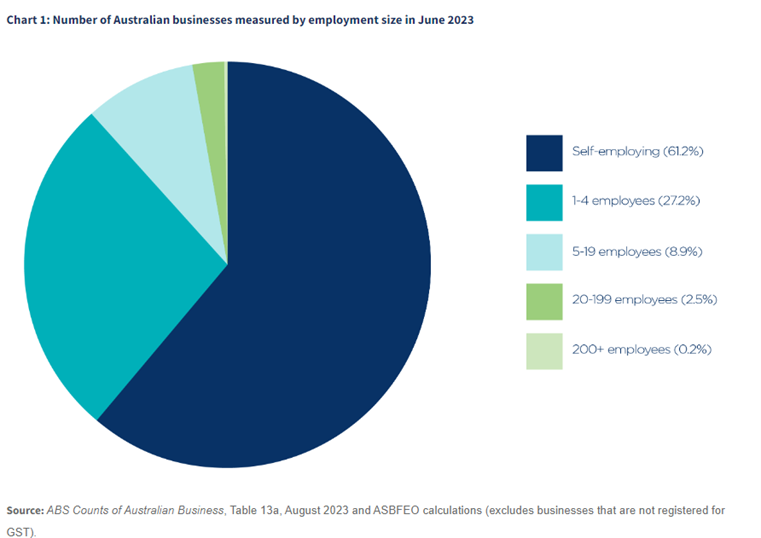
Understanding what qualifies as a small business in Australia is essential to grasping its impact on the economy. The Australian Bureau of Statistics (ABS) defines small businesses as those with fewer than 20 employees. This definition includes sole traders, partnerships, and small companies.
Size Standards And Categories
Small businesses are classified into various categories based on their employee count and annual turnover. Here’s a quick breakdown:
- Micro Businesses:1-4 employees
- Small Businesses:5-19 employees
These categories help gauge the scale and economic contribution of small businesses. They employ nearly half of Australia’s private sector workforce. This illustrates their vital role in job creation.
The Economic Landscape
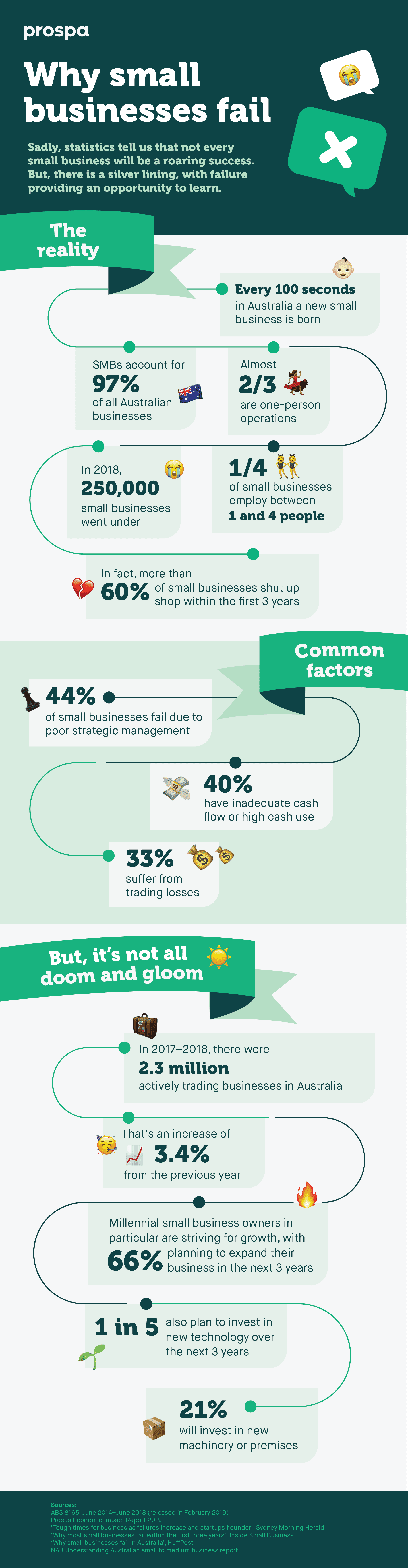
Small businesses account for about 97% of all Australian businesses. They operate across various sectors, from retail to services. Each contributes uniquely to the local economy.
Consider a local café in your neighborhood. It not only provides jobs but also stimulates other local businesses. When you support such enterprises, you help create a thriving community.
Challenges And Opportunities
Operating a small business comes with its set of challenges. Issues like cash flow, competition, and regulatory compliance can be daunting. However, these challenges also present opportunities for innovation and growth.
Have you thought about how your small business could adapt to changing consumer preferences? Embracing digital tools can enhance customer engagement and streamline operations.
As you consider the role of small businesses in Australia, think about their significance in your community. They are not just economic units but vital threads in the social fabric.
Employment Statistics For Small Businesses
Small businesses play a key role in Australia’s economy. They are vital for job creation. Understanding employment statistics helps highlight their importance. This section explores how many people small businesses employ and the trends in this area.
Total Workforce Contribution
Small businesses employ about 70% of the Australian workforce. This is a significant number. They create millions of jobs each year. Many small businesses are family-owned or run by individuals. This contributes to local economies. They provide essential services and products. Their impact is felt in every community.
Industry-specific Employment Figures
Different industries show varying employment figures. The retail sector employs many people in small businesses. Hospitality is another major sector for small business jobs. Health care and construction also see a large number of employees. Each industry plays a unique role in employment. Understanding these figures helps businesses plan better.
Trends In Employment Growth
Employment in small businesses has grown steadily. More people seek jobs in this sector. Economic changes influence these trends. New technologies create more opportunities. The gig economy is also changing how we view work. Small businesses adapt quickly to these changes. They continue to be a major source of employment.

Credit: m.facebook.com
Comparison With Medium And Large Businesses
Small businesses play a crucial role in Australia’s economy. They provide many jobs and fuel local communities. Understanding their employment share compared to medium and large businesses reveals their significance.
Employment Share By Business Size
Small businesses employ about 44% of the workforce in Australia. This is a substantial share. Medium businesses account for around 24%. Large businesses employ the remaining 32%. The numbers show that small businesses are vital for job creation.
Small businesses often have fewer than 20 employees. They are flexible and adapt quickly to changes. Medium businesses employ between 20 and 199 people. Large businesses have 200 or more employees. The differences in size affect how each type operates.
Economic Impact Across Business Types
Small businesses contribute significantly to the economy. They drive innovation and competition. Local economies benefit from small business spending. This spending creates jobs and stimulates growth.
Medium and large businesses also play a role. They often provide higher salaries and more benefits. However, they do not match the employment numbers of small businesses. The ecosystem thrives on the balance of all business types.
Support for small businesses leads to a stronger economy. Their growth leads to more employment opportunities. Investing in small businesses benefits everyone in the community.
Regional Employment Distribution
Regional employment distribution in Australia shows how small businesses contribute to the job market. These businesses play a key role in both urban and rural areas. Understanding where these jobs are located helps us see their impact on communities.
Small businesses often employ more people in cities. However, rural areas also benefit significantly. The balance between urban and rural employment reveals much about Australia’s economy.
Urban Vs Rural Employment
Urban areas have a higher concentration of small businesses. Cities like Sydney and Melbourne are bustling with startups and service providers. These businesses create a large number of jobs.
In contrast, rural areas face different challenges. Limited access to resources can slow growth. Yet, small businesses in these regions also provide vital employment. They often focus on agriculture, tourism, and local services.
Both urban and rural small businesses are essential. They support local economies and create diverse job opportunities. Understanding this balance is crucial for future growth.
State-by-state Breakdown
Each Australian state shows a unique employment picture. New South Wales leads in small business employment. It has many companies in various sectors.
Victoria follows closely, with a strong focus on services. Queensland also has a growing number of small businesses. These states create numerous jobs for their residents.
Western Australia and South Australia also contribute significantly. They focus on mining, agriculture, and tourism. Tasmania has fewer small businesses but still plays a key role.
Overall, each state plays its part. Together, they shape the employment landscape in Australia.
Credit: www.prospa.com
Challenges Faced By Small Businesses In Employment
Small businesses in Australia employ a significant number of people, contributing to the economy. Yet, they face challenges in hiring. Limited resources and tough competition make it hard to find and keep good workers. Balancing budgets while meeting staffing needs can be quite difficult.
Small businesses play a crucial role in Australia’s economy, employing millions of people across various sectors. However, the journey of hiring and maintaining a talented workforce is fraught with challenges. Understanding these obstacles can help you navigate the complex landscape of employment in your small business.Recruitment And Retention Issues
Finding the right talent is often a daunting task for small businesses. Many candidates may overlook smaller firms, favoring larger corporations that offer more attractive perks. You might find yourself sifting through numerous applications, only to discover that few fit your needs. Retention is equally challenging. High turnover rates can drain your resources and impact team morale. Have you considered that a supportive work environment can significantly improve employee satisfaction? Offering competitive salaries is essential, but it’s not the only factor. Employees crave opportunities for growth and recognition. Here are some strategies to consider:- Implement flexible work arrangements.
- Provide ongoing training and development.
- Foster a positive company culture.
Impact Of Economic Fluctuations
Economic changes can directly affect your business’s ability to hire and retain employees. A downturn can lead to budget cuts, which may result in layoffs or hiring freezes. You may have experienced this firsthand during economic shifts. On the flip side, during periods of growth, you may struggle to find qualified candidates. Increased competition for talent can drive salaries up, putting a strain on your budget. Consider these tips to navigate economic fluctuations:- Build a financial cushion to manage lean times.
- Stay informed about market trends.
- Network with other businesses to share resources.
Future Prospects For Small Business Employment
Small businesses play a key role in Australia’s economy. They create jobs and support local communities. As we look ahead, several trends may shape employment in this sector.
Emerging industries offer new paths for small businesses. They can attract talent and create job opportunities. Policy support and incentives also play a big part in this growth. Understanding these factors can help small businesses thrive.
Opportunities In Emerging Industries
Emerging industries present exciting possibilities. Sectors like technology, renewable energy, and healthcare are growing fast. Small businesses can tap into these areas.
Startups in tech are booming. They need skilled workers and offer many job roles. Renewable energy companies also require diverse talent. This shift opens doors for small businesses to hire more people.
Policy Support And Incentives
Government policies can help small businesses grow. Support programs can provide funding and resources. This makes it easier for businesses to hire new employees.
Incentives like tax breaks encourage hiring. Small businesses can benefit from reduced costs. This support can lead to more job openings and a stronger workforce.
Frequently Asked Questions
How Many Small Businesses Are There In Australia?
Australia has over 2. 4 million small businesses. These enterprises make up about 97% of all Australian businesses. They play a vital role in the economy, contributing significantly to employment and innovation across various sectors.
What Percentage Of Australians Work For Small Businesses?
Approximately 45% of Australians are employed by small businesses. This highlights the importance of small enterprises in providing job opportunities. They are essential for local economies and community development throughout the country.
What Types Of Jobs Do Small Businesses Offer?
Small businesses offer diverse job opportunities across various sectors. Common roles include retail, hospitality, trades, and professional services. These positions often provide valuable experience and skill development for employees.
How Do Small Businesses Impact The Australian Economy?
Small businesses significantly contribute to the Australian economy. They create jobs, foster innovation, and drive competition. Their presence helps maintain a vibrant and resilient economy, supporting both local and national growth.
Conclusion
Small businesses are vital to Australia’s economy. They create many jobs and support local communities. Understanding their employment impact helps us appreciate their role. These businesses employ millions, making them key players in the job market. Investing in small businesses benefits everyone.
It strengthens our economy and fosters growth. Supporting them leads to more opportunities for all Australians. Recognizing their importance is essential for a thriving future. Let’s continue to champion small businesses and the jobs they create. Together, we can build a stronger economy for everyone.