
When a small business owes you money, it can feel frustrating and overwhelming. You might wonder how to get what you’re owed without damaging the relationship.
The good news is that there are clear steps you can take to resolve the issue effectively. You’ll discover practical strategies to help you navigate this tricky situation. From understanding your options to communicating effectively, you’ll find the guidance you need to reclaim your funds.
Don’t let uncertainty hold you back. Read on to regain control and protect your hard-earned money.
Know Your Rights
Knowing your rights is crucial when a small business owes you money. It empowers you to take informed steps toward recovering what you are owed. Understanding the legal framework around debts can make a significant difference in how you approach the situation.
Understand The Basics Of Debt Collection
Before taking any action, familiarize yourself with the basics of debt collection laws in your area. Different states and countries have specific rules regarding how debts can be collected. Knowing these rules helps you determine what actions are legal and appropriate.
For instance, many places prohibit harassment or intimidation in debt collection. If a small business is using aggressive tactics, you might have grounds to report them.
Document Everything
Keep a detailed record of all communications related to the debt. This includes emails, phone calls, and written correspondence. Documentation serves as your evidence if the situation escalates.
- Date and time of each communication
- What was discussed
- Any promises made or payments agreed upon
Having this information organized can strengthen your position. If you end up needing to take legal action, these records will be invaluable.
Know The Time Limits
Every debt has a statute of limitations, which is the maximum time period during which you can take legal action. This period varies by location and type of debt. If the time limit has passed, you may lose your right to sue.
Research the specific laws in your area. Being aware of these time limits can help you act promptly and avoid costly mistakes.
Consider Your Options
Once you understand your rights, evaluate your options for recovering the debt. You might choose to send a formal demand letter. This letter should clearly state the amount owed and a deadline for payment.
If the business still doesn’t respond, consider seeking mediation or small claims court. These options can often resolve disputes without the need for extensive legal proceedings.
Seek Professional Help If Needed
If the situation becomes too complex or overwhelming, don’t hesitate to consult a lawyer. They can provide guidance tailored to your specific situation. Sometimes, having a legal expert involved can encourage the debtor to pay up.
Have you ever had to navigate a similar situation? What steps did you take that worked for you?
Understanding your rights empowers you in your quest to recover what you are owed. Take the time to learn, document, and act wisely. Your diligence can lead to a successful resolution.
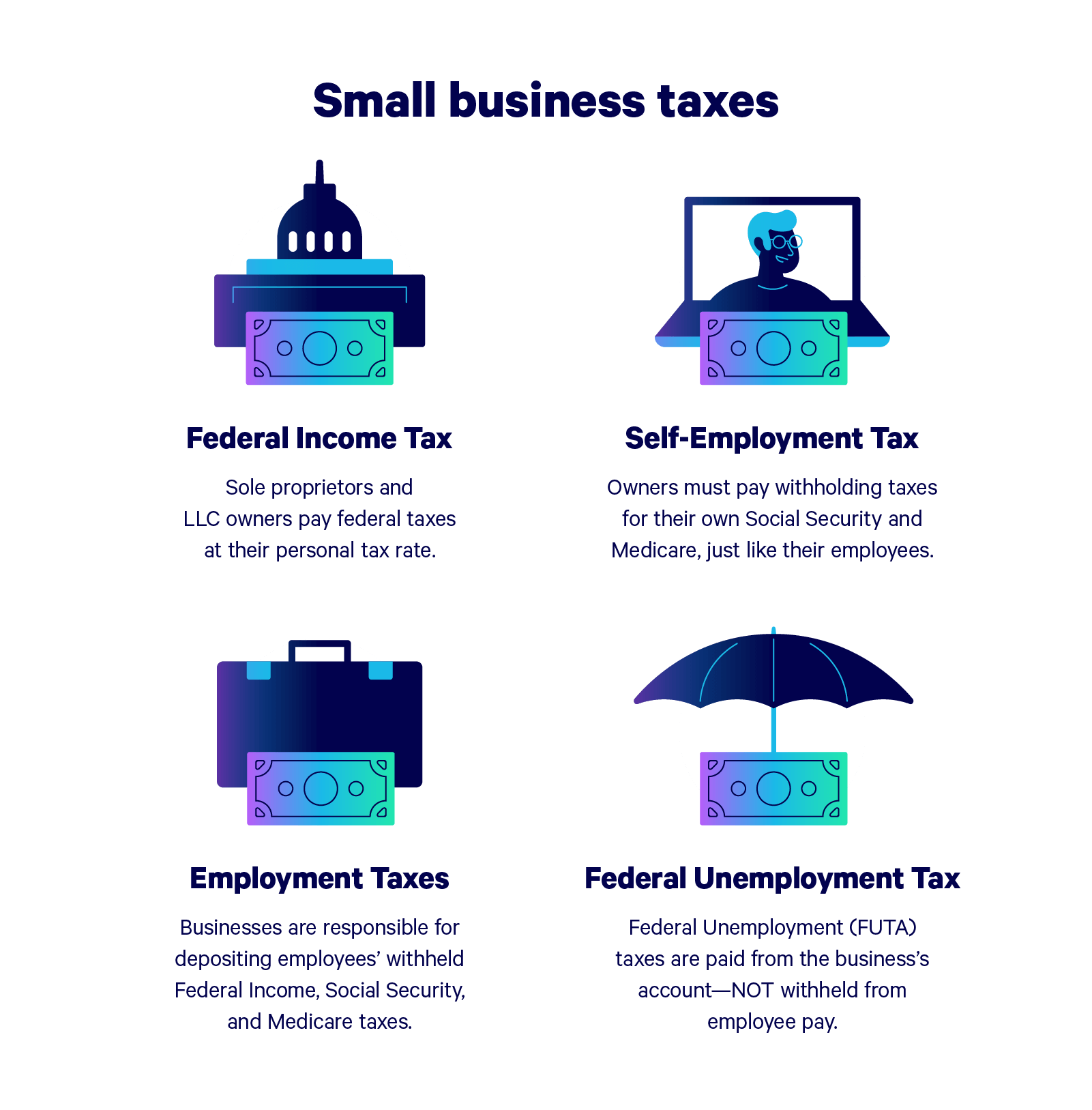
Credit: www.embroker.com
Gather Payment Details
Collecting payment details is crucial. You need clear information to resolve the issue. Start by organizing all relevant documents. This will help you understand the situation better.
Identify The Amount Owed
Know the exact amount the business owes you. Check invoices or contracts. Make sure there are no mistakes. A clear figure helps in discussions.
Review Payment Terms
Check the payment terms agreed upon. Look at the due dates and conditions. This gives you a framework for your follow-up. Understanding this helps set expectations.
Gather Communication Records
Collect all communication records. Emails, messages, and notes are important. They show what was discussed. This can strengthen your case.
Document Any Promises Made
Note any promises the business made about payment. Did they say when they would pay? Write these down. This can help later if you need to take action.
Prepare A Summary
Create a summary of all gathered information. Include the amount owed, payment terms, and communication details. This will be useful for future discussions. A clear summary makes your case stronger.
Send A Formal Reminder
When a small business owes you money, it can feel overwhelming. Sending a formal reminder is a crucial step in reclaiming what’s rightfully yours. It sets a professional tone and shows you mean business.
Understanding The Importance Of A Formal Reminder
A formal reminder helps establish a clear communication line. It puts your request in writing, making it more difficult for the debtor to ignore. This approach often leads to quicker resolutions.
Crafting Your Reminder
Start with a polite yet firm tone. Address the recipient by name and state your purpose clearly. Include essential details such as:
- The amount owed
- The original due date
- Any previous communications regarding the debt
Being specific shows you’re organized and serious about the matter.
Choosing The Right Format
Decide whether to send your reminder via email or traditional mail. Email is quicker, but a physical letter may feel more formal. Consider what approach would resonate best with the business owner.
Timing Matters
Send your reminder promptly. If the payment is overdue, don’t wait too long. A timely follow-up can prevent the situation from escalating.
Follow Up If Necessary
If you don’t receive a response, don’t hesitate to follow up. A second reminder can reinforce your request. However, keep your tone respectful; this maintains professionalism and good will.
Have you ever felt hesitant about sending a reminder? Remember, being proactive is key. You deserve to be paid for your services or products.

Credit: www.fylehq.com
Negotiate A Payment Plan
Dealing with a small business that owes you money can be stressful. One of the most effective ways to navigate this situation is to negotiate a payment plan. This approach not only eases the financial burden on the business but also increases your chances of getting paid. Let’s break down the steps to create a manageable payment plan.
Understand Their Financial Situation
Before you propose a payment plan, take the time to understand the business’s financial situation. They may be facing challenges you’re unaware of, which can help you empathize with their circumstances.
Ask them directly about their cash flow issues. This conversation can reveal insights into how much they can realistically pay and when.
Set Clear Terms
Once you have an understanding of their situation, it’s time to set clear terms for the payment plan. Outline the total amount owed, the payment frequency, and the duration of the plan.
- Amount Owed:Specify the total amount that needs to be repaid.
- Payment Frequency:Decide how often they will make payments—weekly, bi-weekly, or monthly.
- Duration:Determine how long the repayment period will last.
Make sure both parties agree to these terms in writing. This step can prevent misunderstandings later on.
Be Flexible And Open To Adjustments
Flexibility is crucial. If the business is genuinely struggling, consider offering a lower monthly payment or extending the repayment period.
Check in regularly to reassess their financial status. Life can change quickly, and being open to adjustments can help you maintain a positive relationship.
Document Everything
Keep detailed records of all communications and agreements. This documentation will protect both parties and ensure transparency.
Send reminders before payments are due. A friendly nudge can help them stay on track and avoid late payments.
Consider Professional Help If Needed
If negotiations stall or the business is unresponsive, consider involving a mediator or a legal professional. This step can add pressure and provide an impartial perspective.
However, weigh this option carefully as it may strain your relationship with the business. Maintaining goodwill can sometimes be more beneficial than pursuing aggressive tactics.
Have you ever faced a similar situation? How did you handle it?
Negotiating a payment plan may seem daunting, but with patience and clear communication, you can find a solution that works for both parties.
Consider Mediation Services
Dealing with a small business that owes you money can be frustrating and stressful. You might feel overwhelmed and unsure about your next steps. One effective option to consider is mediation services, which can help resolve disputes without the need for lengthy and costly legal battles.
What Is Mediation?
Mediation is a process where a neutral third party helps two parties resolve their disputes. It’s less formal than a courtroom setting and aims to facilitate communication between you and the business in question. You can express your concerns and negotiate a solution that works for both sides.
Benefits Of Mediation Services
- Cost-Effective:Mediation is often cheaper than hiring lawyers and going to court.
- Time-Saving:Court cases can drag on for months or even years. Mediation typically resolves issues much faster.
- Confidential:Mediation sessions are private, allowing you to discuss sensitive matters without public scrutiny.
How To Find A Mediator
Start by searching online for mediation services in your area. Look for professionals with experience in business disputes. You can also ask for recommendations from friends or colleagues who have been in similar situations.
Preparing For Mediation
Gather all relevant documents related to the debt. This includes contracts, invoices, and any communication you’ve had with the business. Being organized will strengthen your position during the mediation.
During The Mediation Session
Stay calm and focused. Clearly outline your concerns and what you hope to achieve. Remember, mediation is a two-way street; be prepared to listen to the other party’s perspective as well.
After Mediation
If an agreement is reached, ensure that it is documented. Both parties should sign the agreement to avoid future misunderstandings. If mediation doesn’t lead to a resolution, consider your next steps, such as legal action.
Have you ever thought about how mediation could save you time and money in resolving disputes? It might be the solution you’ve been looking for.

Credit: sapience.com.au
Leverage Collection Agencies
Dealing with a small business that owes you money can be tough. Using a collection agency may help. These agencies specialize in recovering unpaid debts. They can save you time and stress. Here’s how to leverage their services.
Understand How Collection Agencies Work
Collection agencies focus on getting your money back. They contact the debtor and demand payment. Most agencies charge a fee or take a percentage of the collected amount. This cost is often worth it for the recovery.
Choose The Right Collection Agency
Not all collection agencies are the same. Look for one with good reviews. Check their success rates and fees. Choose an agency that fits your needs. This choice can make a big difference.
Prepare Your Documentation
Gather all documents related to the debt. This includes invoices, contracts, and communication records. The more information you provide, the better. Clear documentation helps the agency build your case.
Familiarize yourself with debt collection laws. Understand what collection agencies can and cannot do. This knowledge protects you and ensures fair practices. It also helps you avoid potential issues.
Communicate Clearly With The Agency
Stay in touch with the collection agency. Provide any updates about the debtor. Share new information promptly. Clear communication helps the agency work efficiently.
Be Patient But Persistent
Collecting debts takes time. Be patient as the agency works on your behalf. Follow up regularly to stay informed. Persistence can lead to better results.
File A Small Claims Case
If a small business owes you money and you’ve exhausted other options, filing a small claims case could be your next step. This legal avenue is designed for individuals to resolve disputes without the need for a lawyer, making it accessible and straightforward. It’s important to understand the process to maximize your chances of success.
Understand The Small Claims Court Limitations
Every state has a limit on how much money you can claim in small claims court. This limit typically ranges from $2,500 to $25,000, depending on your location. Knowing this can help you determine if this route is suitable for your situation.
Check the specific rules in your state regarding the maximum claim amount. You don’t want to waste time pursuing a claim that exceeds the court’s limit.
Gather Your Documentation
Collect all relevant documents that support your case. This includes invoices, contracts, emails, and any communication with the business. Having a complete set of records will strengthen your position.
Make copies of everything for the court and for your own reference. Clear documentation provides a solid foundation for your claim.
Filing The Claim
To file a small claims case, visit your local small claims court or its website. You’ll need to fill out specific forms detailing your claim and pay a filing fee. This fee varies by state but is generally affordable.
Make sure to submit your claim promptly. Delays can lead to complications and may reduce your chances of recovering your money.
Prepare For The Hearing
Preparation is key to winning your case. Organize your documents and outline your arguments clearly. Practice presenting your case to ensure you convey your points effectively.
Consider potential questions the judge might ask. Being prepared shows you are serious and knowledgeable about your claim.
Presenting Your Case
During the hearing, present your evidence clearly and confidently. Stick to the facts and avoid emotional appeals. The judge is looking for clear, concise information to make a decision.
Remember to remain respectful, even if you feel frustrated. Your demeanor can influence the judge’s perception of your case.
After The Hearing
Once the judge makes a decision, you’ll receive a judgment. If you win, the business will be ordered to pay you. However, collecting the money can be a challenge, so be prepared to follow up.
Consider how you will collect the payment. You may need to take additional steps if the business does not comply with the judgment.
Have you faced a similar situation? How did you handle it? Your experiences could provide valuable insights to others.
Keep Communication Professional
Dealing with money owed can be stressful. Staying calm helps you find a solution. Keeping communication professional is key. It builds trust and respect.
Start With A Friendly Reminder
Begin with a simple message. A friendly reminder shows you care. Many small business owners face cash flow issues. They may have forgotten about the debt.
A polite email or call can work wonders. Use a clear subject line. Keep your tone light and approachable.
Be Clear And Direct
After the reminder, get specific. State the amount owed and the due date. Clear communication avoids misunderstandings.
Avoid using harsh words or accusations. Focus on facts. This keeps the conversation constructive.
Offer Solutions
Suggest flexible payment options. A payment plan may help them settle the debt. This shows you are willing to work together.
Discuss possible dates for payments. Flexibility can lead to a better outcome.
Document Everything
Keep records of all communications. Save emails, messages, and notes from calls. These documents can help if you need to take further action.
Having proof protects your interests. It also shows you are serious about the debt.
Follow Up Regularly
Regular follow-ups keep the issue fresh. A gentle nudge can encourage payment. Schedule reminders for yourself.
Be patient but persistent. A consistent approach keeps the lines of communication open.
Evaluate The Cost Of Legal Action
Understanding the cost of taking legal action is crucial if a small business owes you money. While it might seem tempting to jump straight into legal proceedings, it’s essential to weigh the financial and emotional costs involved. Sometimes, the process can be more draining than the debt itself.
Assess Legal Fees
Legal fees can add up quickly. Consider the following:
- Hourly Rates:Attorneys often charge by the hour. This can range from $100 to over $500, depending on their expertise.
- Flat Fees:Some lawyers may offer a flat fee for specific services. Make sure to ask for this option.
- Contingency Fees:In certain cases, attorneys work on a contingency basis, meaning they only get paid if you win.
Calculate how much you’re willing to spend. If the debt owed is significantly less than your potential legal fees, you might want to reconsider your options.
Consider Time Investment
Legal action isn’t just about money; it also requires time. Preparing for court can take weeks or even months. Think about the following:
- Gathering Evidence:Collecting documents and proof of the debt can be time-consuming.
- Attending Court:You may need to appear in court multiple times, which can disrupt your schedule.
Is your time better spent pursuing other opportunities? Sometimes, personal time is worth more than the money you might recover.
Evaluate Emotional Costs
Taking legal action can be stressful. You might face uncertainty, anxiety, and frustration. Ask yourself:
- Is it worth the stress?Think about how you feel about the situation and what it might do to your mental health.
- Impact on Relationships:Legal action can strain relationships, especially if the small business is a friend or a former colleague.
Reflect on whether the emotional toll is worth the potential financial gain. Sometimes, it might be better to let it go for your peace of mind.
Before deciding to pursue legal action, weigh these factors carefully. You may find that other solutions, like negotiation or mediation, could save you money, time, and stress.
Prevent Future Payment Issues
Preventing future payment problems is crucial for your business. Clear agreements help build trust. Strong practices avoid misunderstandings later.
Set Clear Payment Terms
Write down your payment terms clearly. Include due dates, amounts, and methods. Share these terms before starting any project. This ensures everyone understands their responsibilities.
Send Regular Invoices
Send invoices on time. Use a simple format. State the due date clearly. Regular reminders keep payments top of mind for clients.
Establish A Payment Schedule
Create a payment schedule for larger projects. Break down payments into milestones. This keeps cash flow steady and reduces risk.
Use Contracts For Clarity
Always use a contract. It protects both parties. Contracts outline what is expected and when. This reduces confusion and helps prevent disputes.
Communicate Openly
Keep communication open with clients. Discuss any concerns about payments early. This builds a good relationship and reduces future issues.
Offer Multiple Payment Options
Make it easy for clients to pay. Offer different payment methods. Options like credit cards or online payments can speed up transactions.
Build Strong Client Relationships
Focus on building good relationships. Happy clients are more likely to pay on time. Engage with them regularly and show appreciation for their business.
Frequently Asked Questions
What Should I Do First If A Business Owes Me Money?
Contact the business politely. Ask about the payment status to start the conversation.
How Can I Prove The Debt Owed To Me?
Keep all invoices, contracts, and emails. These documents help show the debt.
What If The Business Refuses To Pay?
Try discussing the issue again. If that fails, consider sending a formal letter.
Can I Charge Interest On The Unpaid Amount?
Yes, if there’s an agreement in place. Check local laws for limits.
What Are My Legal Options If They Still Don’t Pay?
You can consider small claims court. This helps to resolve the debt legally.
How Long Do I Have To Collect The Debt?
This depends on your location. Most places have a statute of limitations of 3 to 6 years.
Should I Hire A Collection Agency?
This is an option. They can help you collect the debt but will charge a fee.
Can I Negotiate A Payment Plan With The Business?
Yes, many businesses may agree to a payment plan. This can help them pay over time.
What Happens If The Business Files For Bankruptcy?
You may not get paid immediately. Check your rights as a creditor in bankruptcy.
How Can I Prevent This From Happening Again?
Set clear payment terms upfront. Use contracts and require deposits for future work.
Conclusion
Dealing with a small business that owes you money can be tough. Stay calm and collect your thoughts. Start by communicating clearly with the business owner. Make sure they understand the debt. Consider setting up a payment plan that works for both of you.
If things don’t improve, seek legal help. Knowing your rights is important. Protect your interests while being fair. Remember, patience can pay off. You can resolve the issue without burning bridges. Keep it professional, and stay hopeful for a solution.