
A celebrity endorsement is an advertising message that uses a recognizable person’s apparent approval, opinion, or experience to promote something. The public figure might appear in a conventional commercial, recommend an item in a sponsored post, or discuss a product in another promotional setting. The useful question is what the audience is being encouraged to believe.
For readers, three checks matter: whether the endorsement is genuine, whether a commercial relationship is clear, and whether the product claim has support. A familiar face does not answer all three. This guide uses Federal Trade Commission information checked on October 16, 2026 to explain how to evaluate an endorsement without confusing fame with independent evidence.
What counts as an endorsement?
The FTC’s endorsement questions and answers describes an advertising endorsement as a message people are likely to understand as reflecting someone else’s views, rather than only the advertiser’s. This is more specific than a person simply appearing beside a product.
Ask what the message suggests the person believes or experienced. If an advertisement presents a celebrity as approving an item, the audience may interpret that differently from an ordinary product photograph. A scripted presentation can still communicate an apparent personal recommendation.
Do not reduce the issue to whether the person says one particular phrase. Images, context, and presentation shape the message. Conversely, appearing in an entertainment scene is not automatically evidence of a paid recommendation. Examine the source before assigning a commercial relationship.
Endorsement versus an ordinary mention
Imagine a fictional presenter discussing a bag bought independently for personal use. Now imagine the same presenter discussing a bag after receiving payment from the seller. The praise might sound similar, but the relationship would help viewers assess the recommendation differently.
This comparison is illustrative, not an allegation about a real presenter. It shows why the source of a recommendation matters. Ask whether the content is an advertisement, a personal observation, a news report, or an entertainment segment. Seek evidence rather than deciding from the person’s popularity.
A remark may also be quoted by someone other than the original speaker. Before treating a promotional image as an endorsement, find the original context. A comment about an industry, an old photograph, or a clip from another interview may not support the specific product claim placed beside it.
What a material connection means
In Disclosures 101, FTC staff explains that relevant connections can include payment, free or discounted products, employment, and personal or family relationships. Viewers need information that could affect the weight they assign to a recommendation.
Look for a clear explanation near the recommendation. Do not assume a relationship is obvious because someone is famous or frequently appears in advertising. A public figure may have several commercial arrangements, while a viewer may encounter just one isolated post.
Creators should consult the current official guidance and the actual circumstances before publishing. A short label should not be treated as a universal compliance guarantee. The FTC’s detailed guidance emphasizes context, so this article does not decide whether an unidentified real advertisement satisfies every requirement.
How to read a disclosure
The FTC’s social-media guidance emphasizes making a relationship noticeable and understandable with the endorsement itself. It cautions against burying disclosures in unrelated material or using vague shorthand. It also discusses differences between video, images, and livestreams.
Ask whether you would have understood the relationship without opening a profile biography or following several links. A disclosure may explain a brand connection, but it does not independently prove that the product is good or every performance claim is accurate.
In a hypothetical review, knowing that a fictional brand supplied the item helps explain context. You would still need to assess the review’s evidence, the product’s published specifications, and whether the creator addresses your use case. Transparency and usefulness should be evaluated separately.
Why fame is not product evidence
A person may be recognized for acting, sport, presenting, music, or another field. That recognition does not establish expertise about an unrelated product. Separate the reason you know the person from the reason you should believe a particular technical claim.
Consider a fictional advertisement claiming a device is faster, more durable, or more effective than alternatives. A famous person’s presence does not supply the missing comparison method. Look for the conditions, relevant measurements, and actual source of the assertion instead of treating the face in the advertisement as the test.
This distinction matters even when a campaign is authentic and clearly paid. Authenticity, disclosure, and substantiation are separate checks. Passing one should not be described as passing all the others. An honest description of a personal preference is also narrower than a universal performance promise.
Fake celebrity endorsements
The FTC’s consumer alert about false endorsements warns that altered audio and video can make promotional material appear genuine. It recommends researching the celebrity, product, and company and resisting pressure to act immediately.
Identify the original publisher and the company receiving the order. Look for the claimed campaign on the person’s authenticated channels or the brand’s official material. If confirmation is unavailable, describe the claim as unverified rather than declaring that the person definitely endorsed or rejected it.
Be cautious with screenshots of articles or television interviews. A screenshot can omit the address, date, and surrounding explanation. Return to the original publication when possible and compare what was actually said with the product claim. A persuasive appearance is not the same as a traceable source.
A practical verification sequence
- Write down the precise claim and product being promoted.
- Identify the account or page that originally published the message.
- Look for official material confirming the claimed campaign.
- Check for a clear explanation of a commercial relationship.
- Read the seller’s actual product details and purchase terms separately.
- Look for credible reporting or official alerts about the specific claim.
- Pause when essential details remain unconfirmed instead of allowing urgency to replace research.
The aim is to resolve a defined question, not collect reassuring search results. Several sites repeating the same unsupported image are not independent confirmations. Trace the claim back to an identifiable original source and assess what that source actually establishes.
Keep a note of the source address and date alongside the wording you checked. If the promotion changes later, that note helps distinguish a new claim from the one you originally evaluated. Do not preserve account passwords or payment information with a public research note.
Endorsements in shopping television
Shopping programs can feature hosts, designers, guests, and brand representatives. Before interpreting an appearance as an independent review, establish the role in that presentation. A retail demonstration and an unsolicited consumer opinion are not automatically the same kind of content.
Our JTV host guide and HSN host guide help identify publicly listed presenters. A directory can establish identity and network context, but it does not reveal every contract or commercial connection involved in a product promotion.
Keep product assessment separate from enjoyment of a familiar presenter. You can like someone’s style while still needing to compare materials, specifications, suitability, and current seller terms. Recognition provides context; it should not finish the purchasing decision.
Discussing an endorsement accurately
When sharing information, distinguish confirmed facts from inference. Saying that a brand published a campaign featuring a person is narrower than claiming the person personally uses every item that company sells. Attribute the evidence and preserve its date.
Do not invent payment amounts, contract terms, or personal motivations. A sponsorship disclosure does not establish those details. An official statement confirming one campaign should not be generalized to unrelated products or later promotions without new evidence.
When correcting a false claim, avoid reproducing a misleading image without explanation. State what could be verified, what remains unknown, and which original source supports the correction. Help readers evaluate evidence rather than asking them to choose between two confident assertions.
Personal preference, demonstrations, and proof
A statement such as liking a color is different from a claim that an item performs better than competitors. A demonstration may show one chosen setup without establishing every real-world outcome. Identify exactly what is being asserted before deciding what kind of evidence would answer it.
For example, a fictional presenter carrying a bag demonstrates that it can be carried in that scene. It does not, by itself, establish a durability comparison or whether the bag meets your own storage needs. The question should lead to the relevant product detail rather than a broader conclusion unsupported by the demonstration.
This habit also prevents unfair criticism. Do not accuse someone of making a claim that the original message never made. Read the complete context, distinguish the seller’s wording from the presenter’s wording, and evaluate the actual assertion. Accurate skepticism should be specific.
Frequently asked questions
Does paid mean dishonest?
Payment alone does not establish that a recommendation is false. It is relevant context. Evaluate the relationship and the claim separately rather than assuming honesty or dishonesty solely from compensation.
Does an advertising label prove authenticity?
No. A label is not independent proof of who created a video or authorized a campaign. Check the original source, the person involved, and the brand’s material separately. A fake promotion can imitate features of a real advertisement.
Can I infer a private contract from an appearance?
An appearance does not reveal the complete agreement. Avoid claiming an amount, exclusivity arrangement, or personal motive unless a reliable source explicitly supports it. Describe the public evidence at the level it actually establishes.
What should I remember before buying?
Confirm the endorsement, understand the relationship, and assess the product using evidence relevant to your needs. A recognizable face may attract attention, but it should not replace the checks you would make if the same offer came from an unfamiliar advertiser.
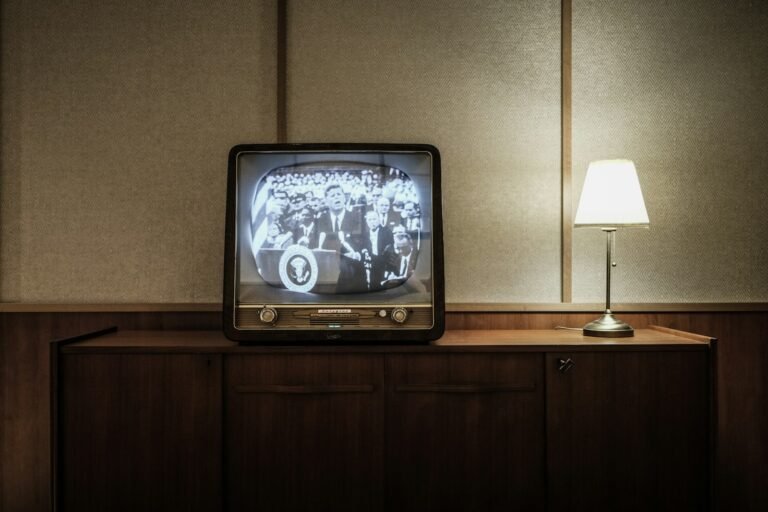
Illustrative photo by Brands&People on Unsplash, used under the Unsplash License. It does not depict an actual celebrity campaign.
 Where to Watch Celebrity Family Feud in the US
 Where to Watch Celebrity Jeopardy! in the US
 What Is the Entertainment Add-on on Hulu? Channels and Access