How To Reset Villager Trades
Trading with villagers is a core part of Minecraft. Whether you want rare items, enchanted books, or just some quick emeralds, villagers can offer valuable deals. But what happens when the trades are too expensive, locked, or simply not what you need? Learning how to reset villager trades is essential for anyone who wants the best value and variety. In this guide, you’ll discover how the system works, step-by-step methods to reset trades, and advanced tricks that even experienced players often overlook.
Understanding Villager Trades
Before you reset trades, it’s important to know how villager trading actually works. Each villager has a profession—like librarian, farmer, or weaponsmith. Their trades depend on their profession and career level. When you trade with a villager, their trades can become more expensive or even locked after too many uses.
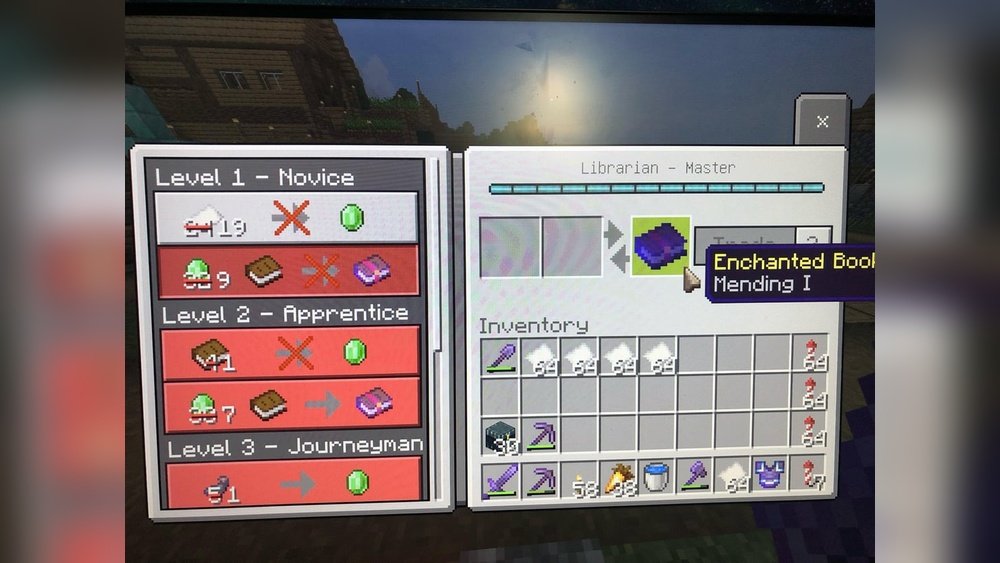
Villagers keep track of how many times you use each trade. After a certain number, the trade becomes locked and shows a red “X”. Villagers can refresh their trades up to two times per day, usually when they work at their job site block.
Not all villagers reset trades in the same way or at the same speed. For example, a librarian resets trades at a lectern, while a farmer does this at a composter. This means understanding the villager’s profession is the first step.
Why Players Want To Reset Trades
You might wonder why resetting trades matters so much. Here are a few common reasons:
- Better deals: Sometimes you get high prices or unfavorable items. Resetting trades can help you find the best bargains.
- Unlocking new trades: Villagers offer different trades as they level up. Resetting can help you reach the best ones faster.
- Avoiding locked trades: When a trade becomes locked, you can’t use it until it resets. For large trading halls, this can slow everything down.
- Getting rare enchantments: Librarians, for example, offer books with random enchantments. Resetting lets you cycle through until you find what you need.
How The Villager Trading System Works
Understanding the mechanics will save you a lot of time and frustration. Here are some key points:
- Villagers have careers (like toolsmith or fisherman) that determine their trades.
- Each trade has a usage limit before it locks.
- Villagers restock trades up to two times daily, but only if they have access to their job site block.
- Trades can become more expensive if you attack the villager or their reputation with you drops.
- Villagers will not restock if they can’t reach their block or if they lose their profession.
- You can influence the trades a villager offers by breaking and replacing their job block, but only if they are still a novice.
Step-by-step: How To Reset Villager Trades
Resetting trades can be simple or complex, depending on your goal. Let’s break down the process for both novice and experienced villagers.
Resetting Trades For Novice Villagers
When a villager first gets a profession, they are a Novice. At this stage, you can completely change their trades.
1. Remove The Job Site Block
Find the villager’s job site block (for example, a lectern for a librarian). Break the block. This makes the villager lose their profession. You’ll see green sparkles, and their clothes will change back to “unemployed”.
2. Replace The Job Site Block
Place the job site block back down. The villager will claim it again and become their profession once more. Now, their trades will change. This is how you can cycle through different offers, especially useful for librarians (to get rare enchanted books).
3. Check The Trades
Open the trade menu and see if the new trades are what you want. If not, repeat the process: break and replace the job site block until you get the desired trade.
Pro Tips For Novice Trades
- This only works if you have not traded with the villager yet. If you trade even once, the trades will lock and cannot be reset this way.
- If you want the best librarian books, use this method until the first trade is what you want, then lock it in by making a trade.
Resetting Trades For Experienced Villagers
If you have already traded with a villager, you cannot cycle through their trades anymore. However, you can reset the trade restocks.
1. Make Sure The Villager Can Access Their Job Block
Villagers need to physically reach their job block to restock trades. If they are blocked by walls, fences, or water, they will not reset.
2. Wait For Their Work Hours
Villagers work from roughly 2,000 to 9,000 game ticks (daytime). They only restock trades during work hours, so make sure it’s daytime in your world.
3. Trade And Wait For Restock
Use the trades until they lock. Then, wait for the villager to restock at their job block. You’ll see green sparkles when they do. Trades should unlock after restocking.
4. Repeat As Needed
Villagers can restock up to two times per day. If you need more, you must wait for the next day.
Real-world Example
Suppose you have a toolsmith with a great diamond pickaxe trade, but the trade is now locked. By making sure the toolsmith can reach their smithing table and it’s daytime, you can reset the trade after a short wait.
Credit: www.reddit.com
Advanced Methods: Maximizing Trade Resets
If you want to optimize your trading hall or get the most out of your villagers, here are some methods and lesser-known tricks.
Zombie Villager Discount
By infecting a villager with a zombie and curing them, you unlock huge discounts on trades. This is called the “zombie villager discount”.
- Trap the villager and let a zombie infect them.
- Cure the zombie villager with a splash potion of weakness and a golden apple.
- The cured villager will offer trades at much lower prices.
This method is risky but can make rare trades much more affordable.
Manipulating Job Site Blocks For Cycling Trades
For villagers that haven’t locked their trades, you can cycle their offers as much as you want by removing and placing their job site block. This is especially useful with librarians.
- Place a lectern, check the trades.
- If not what you want, break and replace until you see the desired book.
- Only trade when you see the right offer, as this locks the trades.
Breeding New Villagers For Fresh Trades
If your village or trading hall is full of locked or expensive trades, sometimes the best solution is to breed new villagers.
- Make sure there are enough beds and food (bread, carrots, potatoes).
- New villagers will be unemployed. Assign a job site block to give them a profession.
- Use the cycling method above to set their trades before trading.
Compare: Novice Vs. Experienced Villager Trade Resets
Here’s a quick comparison to help you decide which method suits your needs:
| Method | Works On | Resets Trade Offers | Resets Trade Usage | Risks/Limitations |
|---|---|---|---|---|
| Break and Replace Job Block | Novice villagers (no trades yet) | Yes | No | Locks after first trade |
| Restock at Job Block | All villagers | No | Yes | Only 2 restocks per day |
| Zombie Discount | All villagers | No (but lowers cost) | No | Risk of losing the villager |
Common Mistakes When Resetting Villager Trades
Many players make simple errors that waste time or ruin their trading setup. Here are some to avoid:
- Trading before checking: If you make a trade before you get the deal you want, you can no longer reset the trade offers by breaking the job block.
- Blocking access: Villagers need a clear path to their job site block. If something is in the way, they will not restock.
- Trading outside work hours: Villagers only restock during the day. Trying at night or if they are scared (by zombies) will not work.
- Destroying the job block after trading: If you break the job block of an experienced villager, they will keep their profession but can no longer restock until you provide a new block.
- Ignoring gossip mechanics: If you attack villagers or their golems, you may get higher trade prices due to bad reputation.
Case Study: Optimizing A Trading Hall
Let’s look at a real-world example. Imagine you want to set up a trading hall with 10 librarians, each offering a different enchanted book.
- Build a row of cells with beds and lecterns for each villager.
- Breed villagers until each cell is filled.
- Assign the job by placing the lectern.
- Break and replace each lectern until you get the desired enchanted book on the first trade.
- Make a trade to lock in the offer.
- Cure with the zombie method for lower prices.
- Make sure each librarian can reach their lectern for daily restocks.
This method ensures you have exactly the books you want, at the best prices, and with reliable restocks.
Villager Professions And Their Job Site Blocks
Not all villagers use the same block to reset trades. Here’s a handy reference:
| Profession | Job Site Block | Example Trade |
|---|---|---|
| Librarian | Lectern | Enchanted Books |
| Farmer | Composter | Bread, Carrots |
| Cleric | Brewing Stand | Redstone, Ender Pearls |
| Armorer | Blast Furnace | Armor, Chains |
| Weaponsmith | Grindstone | Swords, Axes |
| Toolsmith | Smithing Table | Pickaxes, Shovels |
| Cartographer | Cartography Table | Maps, Banners |
| Fisherman | Barrel | Fishing Rods, Fish |
| Shepherd | Loom | Colored Wool, Banners |
| Fletcher | Fletching Table | Arrows, Bows |
| Butcher | Smoker | Cooked Meats |
| Leatherworker | Cauldron | Leather Armor, Saddles |
| Mason | Stonecutter | Bricks, Quartz |
This overview helps you quickly find which block to use for each villager.
What To Do If Trades Don’t Reset
Sometimes, even after following all the steps, trades stay locked. Here are a few troubleshooting tips:
- Check work hours: Make sure it’s day and the villager isn’t sleeping or panicking.
- Inspect job site block: Ensure the block is not claimed by another villager.
- Pathfinding: Use carpets, slabs, or clear blocks to give villagers a path to their job site.
- Remove threats: Zombies or pillagers nearby will scare villagers and prevent restocking.
Why Some Trades Become More Expensive
You might notice that some trades get more expensive over time, even after resets. This is usually due to demand. If you use the same trade many times, the price will rise. Also, harming villagers or their golems will raise prices due to bad reputation.
To lower prices:
- Help villagers cure zombie infections.
- Trade a variety of items, not just one.
- Improve your standing by defending the village from raids.
How To Lock In The Best Trades
Once you see the trade you want, make a trade immediately—even if it’s just one emerald. This locks the trade and ensures you keep that offer forever, even if you break and replace the job block later.
This is especially helpful for getting the best librarian enchantments. For example, if you finally see Mending or Unbreaking III, trade for it right away.
How Many Times Can A Villager Restock?
Villagers can restock their trades up to two times per Minecraft day. After that, you must wait for the next day. If you need more frequent trades, consider building multiple trading halls or breeding more villagers.
How To Automate Villager Trading
Advanced players sometimes build villager trading halls. These are special rooms or buildings where villagers are kept in cells, each with their own job site block and bed.
Benefits include:
- Easy access to many trades in one place.
- Control over restocking by managing work hours and block placement.
- Safe from raids and mobs.
Setting up a trading hall can take time, but it’s the best way to get large numbers of trades quickly.
Practical Insights Most Players Miss
- Villagers need beds to reset trades efficiently. Without a bed, some villagers will not restock, especially after sleeping hours.
- Villagers cannot restock if their job site block is out of reach, even by a single block. Always test their pathfinding.
- Trading halls work best when villagers are spaced out. Crowding them causes confusion over which block belongs to whom.
- Name tag your best villagers. This prevents them from despawning if something goes wrong.
- Villagers without a job block can lose their profession and become unemployed. Protect job blocks from accidental destruction.
Comparing Manual Vs. Automated Resetting
Let’s look at the differences between manually resetting trades and using automated trading halls:
| Feature | Manual Reset | Automated Trading Hall |
|---|---|---|
| Time Needed | High (per villager) | Low (all villagers at once) |
| Control Over Trades | High (one at a time) | Very High (bulk setup) |
| Restock Speed | Standard (depends on villager) | Optimized (synchronized work hours) |
| Safety | Low (open to mobs) | High (secure rooms) |
| Best For | Small setups | Large-scale trading |
Ethics: Are These Methods Cheating?
Some players wonder if resetting trades or using the zombie method is unfair or against the spirit of Minecraft. These methods are all part of the game’s mechanics, as designed by Mojang. Many speedrunners and technical players use them to maximize efficiency.
If you play on a multiplayer server, check the server rules, but for single-player, these are all legitimate strategies.
Using Villager Workstations For Custom Shops
One creative use of resetting trades is to set up custom shops in your world. For example, you can create a “bookstore” with a librarian who offers only the best enchantments. By carefully choosing and locking in trades, you can build themed shops for your friends or other players.
How Updates Affect Villager Trading
Villager mechanics change from time to time. Always check the latest patch notes for your version of Minecraft. For example, in Minecraft 1. 20, Mojang updated how villagers choose and keep professions, making it harder to accidentally lose trades.
A good source for updates is the Minecraft Wiki.
Tips For Trading Success
- Always keep spare job site blocks in your inventory.
- Use name tags to protect your best villagers.
- Build trading halls in safe, well-lit areas to prevent zombie outbreaks.
- Use glass or fences to keep villagers from wandering but allow you to interact.
- Trade with every villager at least once a day to keep their trades fresh.
Frequently Asked Questions
How Do I Know Which Job Site Block A Villager Needs?
Each villager profession uses a specific block. For example, librarians use a lectern, farmers use a composter, and smiths use a smithing table. Check the profession’s outfit or title, or refer to tables above for a full list.
What Happens If I Break A Villager’s Job Site Block?
If a villager is a novice and you haven’t traded yet, breaking their job block makes them unemployed and resets their trades when you replace it. For experienced villagers, breaking the block only prevents restocking until a new block is given.
Can I Reset Trades After Trading With A Villager?
No, you cannot change the actual trade offers after making a trade. You can only reset trade usage (restock locked trades), not the offers themselves. If you want different trades, you must use a new villager.
Why Won’t My Villager Restock Trades?
Common reasons include the villager being unable to reach their job block, it being night, or there being zombies or threats nearby. Make sure the job site block is close and accessible during the day.
Is The Zombie Curing Method Safe?
It’s risky. If not done carefully, the villager can die. Always isolate the villager, remove other mobs, and have the needed potion and golden apple ready before starting.
Trading with villagers is one of Minecraft’s deepest and most rewarding systems. By mastering how to reset trades, you unlock better deals, rare items, and a smoother gameplay experience. Whether you’re a beginner trying to get your first enchanted book or a pro building a trading empire, these strategies will help you get the most from every villager.
With patience and a little planning, you’ll always have the trades you need.