Have you ever wondered why AI, a digital technology, needs something as physical and essential as water? It might surprise you to learn that behind every smart algorithm and powerful AI system, there’s a huge demand for water.
This isn’t about AI drinking water like you or me—it’s about the massive data centers that run AI programs and how they rely on water to keep cool. Understanding why AI uses water reveals a hidden part of technology’s impact on our planet and your daily life.
Keep reading to discover how water powers AI, what it means for our environment, and why your awareness matters more than you think.
Ai Data Centers And Water Use
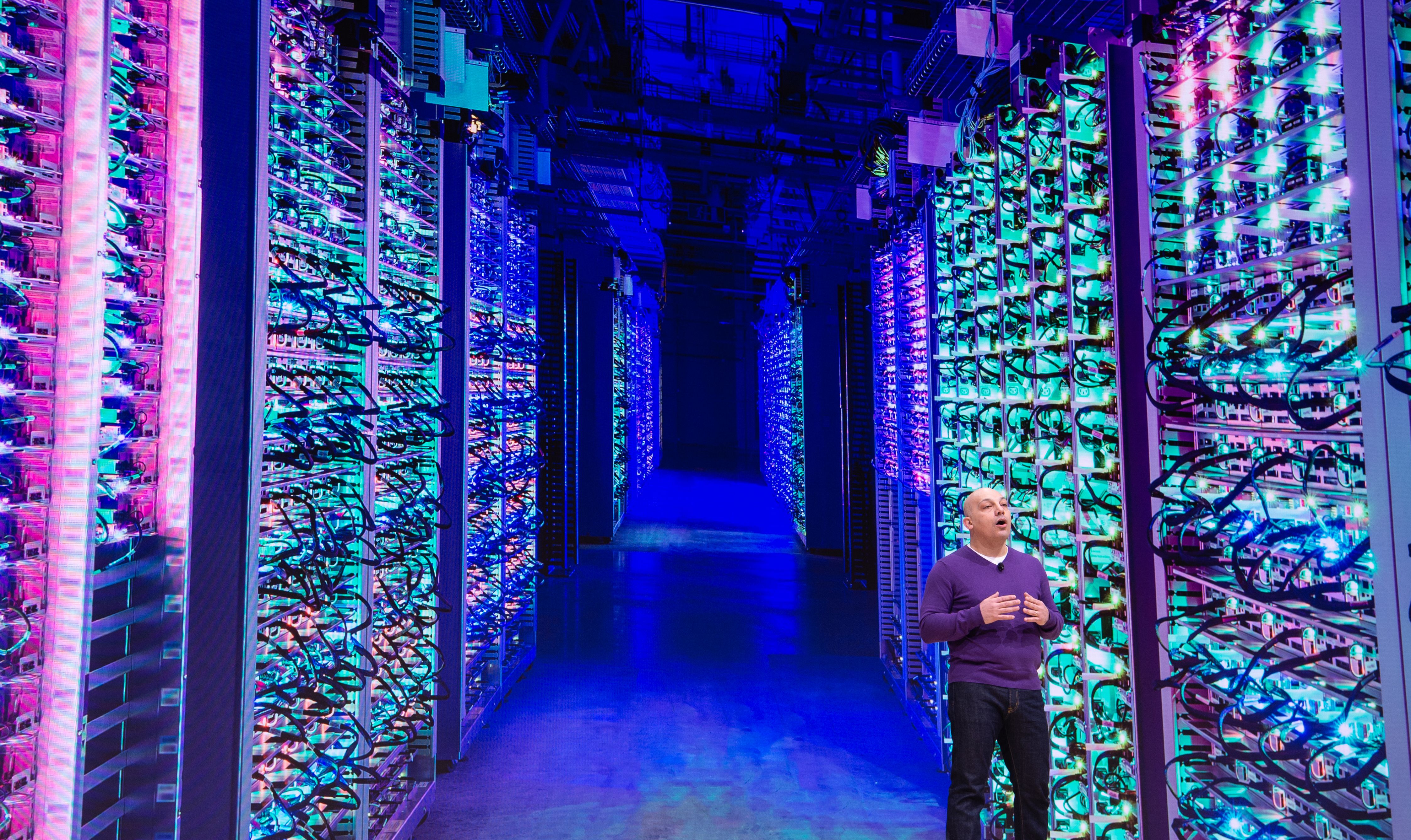
AI data centers are the backbone of artificial intelligence technology. These centers store and process massive amounts of data. This work requires powerful computers that generate a lot of heat. To keep these machines running smoothly, cooling is essential. Water plays a key role in this cooling process.
Cooling systems in data centers use water to absorb and remove heat. Without effective cooling, computers can overheat and fail. Water-based cooling is efficient and helps maintain steady temperatures. This makes sure AI systems stay reliable and fast.
Why Do Ai Data Centers Need So Much Water?
AI data centers use large amounts of water daily. The cooling systems rely on water to lower the heat from servers. Many centers use evaporative cooling, which consumes water by turning it into vapor. This helps cool the air but increases water use. The more AI tasks running, the more heat and water needed.
How Water Cooling Works In Data Centers
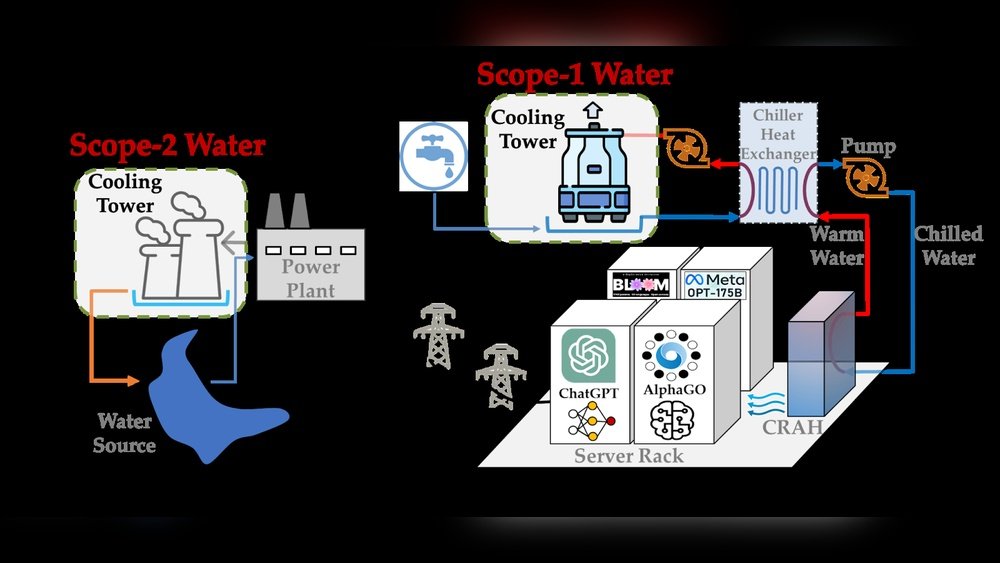
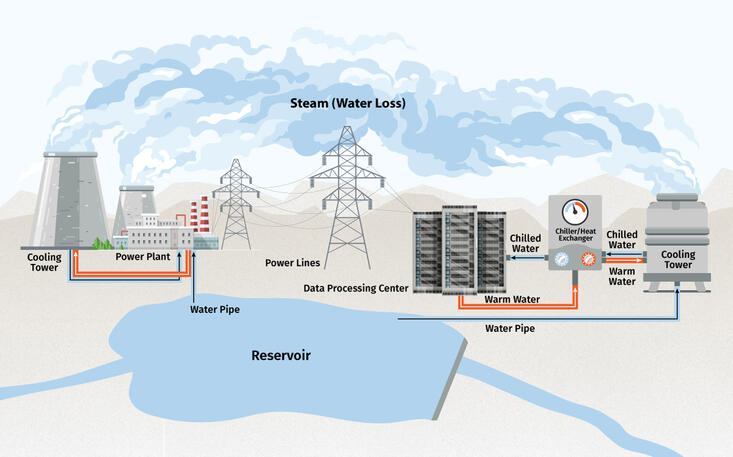
Water cooling involves circulating water through pipes near hot equipment. The water absorbs heat and moves it away from servers. Then, cooling towers or chillers release this heat outside. Some systems use evaporation to cool water before recirculating it. This process keeps data centers at safe temperatures.
Water Recycling And Conservation In Ai Data Centers
Many AI data centers use water recycling to reduce waste. Closed-loop systems reuse water by cycling it multiple times. This lowers the need for fresh water intake. Some centers use treated wastewater instead of drinking water. AI technology also helps manage water use efficiently, balancing cooling and conservation.
Challenges Of Water Use In Ai Data Centers
Water use in data centers faces some limits. Evaporation causes continuous water loss. Minerals and contaminants build up in cooling water over time. This reduces cooling efficiency and requires fresh water to replace lost volume. Managing water quality is essential to keep systems running well.
Credit: www.independent.co.uk
Cooling Systems In Ai Facilities
Cooling systems in AI facilities play a crucial role in maintaining the optimal temperature of servers and hardware. These data centers generate a lot of heat due to continuous processing and computation. Without proper cooling, the equipment could overheat and fail.
Water is an essential resource for many cooling systems in AI data centers. It absorbs and carries away heat more efficiently than air cooling. This helps keep the machines running smoothly and prevents damage.
How Water Cools Ai Data Centers
Water circulates through pipes near the hardware. It absorbs heat from the machines and moves it to cooling towers or chillers. The heat transfers from the water to the air or another medium. This cycle repeats continuously to maintain a stable temperature.
Types Of Water Cooling Systems
Many AI facilities use closed-loop cooling systems. These systems recycle water by cooling it down and sending it back to the servers. This reduces water waste and limits the need for fresh water.
Other facilities use evaporative cooling towers. These towers cool water by evaporating a small portion, which removes heat effectively. Though evaporation causes water loss, it cools the data center efficiently.
Water Recycling And Reuse
Advanced AI data centers often use water recycling technologies. These systems filter and treat water to reuse it multiple times. Recycled water lowers the demand on local water sources.
AI technology can also help manage water use. It monitors cooling needs and adjusts flow to save water and energy. This makes cooling systems smarter and more sustainable.
Water Consumption Statistics
AI systems require significant water amounts to operate efficiently.
Data centers use water mainly for cooling servers that generate heat.
Understanding water use helps reveal AI’s environmental impact.
How Much Water Do Data Centers Use?
Large data centers consume millions of gallons of water yearly.
Cooling systems account for the majority of this water use.
Some centers use over 1.7 million gallons per day.
Water Use By Ai Models
Running AI models demands extra computing power and cooling.
This need increases water consumption in data centers significantly.
AI growth pushes water use higher as demand rises.
Regional Water Consumption Differences
Water use varies by location due to climate and resources.
Hotter regions often require more water for cooling.
Areas with scarce water face challenges managing data center needs.
Closed-loop Cooling Systems
Closed-loop cooling systems play a vital role in managing the heat generated by AI data centers. These systems use water to absorb heat from servers and then cool it down for reuse. This cycle helps keep AI equipment running smoothly without overheating.
By circulating the same water repeatedly, closed-loop systems reduce the need for large amounts of fresh water. This method also lowers the environmental impact compared to traditional cooling methods.
How Closed-loop Cooling Systems Work
Water flows through pipes near hot servers to absorb heat. After heating up, the water moves to a cooling tower or heat exchanger. There, it releases heat to the air or another medium before returning to servers. This cycle repeats continuously, maintaining a stable temperature for AI hardware.
Benefits Of Using Closed-loop Cooling
These systems save water by recycling it within the cooling loop. They also reduce energy use since the water cools efficiently. This efficiency helps data centers lower operating costs and environmental footprints.
Challenges In Closed-loop Cooling
Evaporation causes some water loss during cooling, requiring occasional replenishment. Minerals and contaminants build up over time, which can harm system performance. Regular maintenance and water treatment help manage these issues.
Water Recycling Technologies
Water recycling technologies help reduce water use in AI cooling systems.
Data centers need lots of water to cool their machines. Recycling water saves resources and lowers costs. These technologies make AI more sustainable.
Closed-loop systems reuse the same water many times. Water cools the servers and returns to the system. This cycle repeats, cutting fresh water needs.
These systems limit water waste and improve efficiency. They keep data centers running without draining local water supplies.
Advanced Water Treatment
Advanced treatment cleans used water for reuse. It removes minerals, salts, and other impurities. This process extends water’s life in cooling systems.
Cleaning water helps avoid buildup that can block pipes or reduce cooling power. It keeps the system stable and safe.
Ai-driven Water Management
AI controls water recycling for better results. It monitors water quality and system performance. AI adjusts water flow and treatment levels automatically.
This smart control saves water and energy. It also prevents problems before they happen.
Limitations Of Water Recycling
Evaporation causes water loss in cooling systems. This loss is unavoidable and requires fresh water refill. Minerals build up over time, needing partial water replacement.
Despite recycling, some water must be discharged to keep the system healthy. These limits affect how much water can be reused.
Limitations Of Water Reuse
Water reuse in AI data centers helps reduce overall consumption. Yet, it faces certain limits that impact efficiency and sustainability. Understanding these challenges reveals why fresh water remains essential for AI cooling systems.
Evaporation Losses
Cooling systems lose water through evaporation. This loss is part of the heat removal process. Evaporation reduces the total water available for reuse. It forces data centers to add fresh water regularly.
Mineral And Contaminant Buildup
Recycled water collects minerals and contaminants over time. These deposits harm cooling equipment and reduce efficiency. Removing them requires flushing systems with fresh water. This limits how many times water can be reused.
Wastewater Discharge Requirements
Some recycled water must be discharged after use. Discharge prevents buildup of harmful substances. Treating and releasing wastewater follows strict environmental rules. These regulations limit continuous reuse and require water replacement.
Ai’s Role In Water Management
Artificial intelligence plays a vital role in managing water resources effectively. AI helps monitor water usage, detect leaks, and predict future water needs. This technology supports cities and industries in using water wisely.
AI also improves irrigation systems for agriculture. It ensures crops get the right amount of water at the right time. This saves water and boosts crop yields.
Ai-powered Water Monitoring Systems
AI uses sensors and data to track water quality and quantity. It can spot pollution early and alert authorities. Continuous monitoring helps protect water sources from contamination.
Smart Irrigation With Ai
AI controls irrigation based on weather and soil data. It avoids overwatering and reduces waste. Farmers can save water while growing healthier plants.
Leak Detection And Prevention
AI algorithms analyze water flow patterns to find leaks fast. Early detection prevents water loss and costly damage. Cities save millions of gallons of water yearly with AI.
Predicting Water Demand
AI forecasts water needs using historical and real-time data. Utilities prepare better for dry seasons and peak use times. This planning helps maintain steady water supply.
Optimizing Water Recycling Processes
AI manages water recycling plants to improve efficiency. It controls filtration and treatment steps precisely. This leads to safer, cleaner water for reuse.
Environmental Impact Of Ai Water Use
AI systems need water to cool their data centers. These centers use a lot of electricity, which creates heat. Water helps keep machines from overheating. This use of water has a clear impact on the environment. Understanding this impact is important as AI grows.
Water used in AI cooling often comes from local sources. This use can strain water supplies in dry areas. It can affect local ecosystems and communities. Responsible water use in AI is vital for sustainability.
Water Consumption In Ai Data Centers
Data centers need large amounts of water for cooling. They use water to absorb heat from servers. This keeps equipment running smoothly and prevents failures. The amount of water varies by center size and location. Some centers use millions of gallons yearly.
Effects On Local Water Resources
Using water for AI cooling reduces water available for people and nature. In dry regions, this can cause shortages. It may harm plants and animals that depend on water. Careful management is needed to avoid negative effects.
Water Recycling And Reuse Technologies
Many data centers recycle water to reduce waste. Closed-loop systems pump cooled water back to servers. This lowers the need for fresh water. AI helps manage these systems to improve efficiency. Recycling saves water but cannot fully stop water loss.
Challenges In Sustainable Water Use
Water evaporates during cooling and is lost forever. Minerals build up in recycled water, causing system issues. Data centers must add fresh water to replace lost water. These challenges limit how much water can be saved. Ongoing innovation is needed to reduce water use.
Ethical Concerns In Ai Water Usage
Artificial intelligence relies heavily on data centers to function. These data centers consume large amounts of water to stay cool. The use of water by AI raises important ethical questions. Water is a limited resource that many communities depend on daily.
Using vast amounts of water for AI might affect water availability for people and nature. Ethical concerns focus on fairness, sustainability, and responsibility. Balancing AI’s growth with water conservation is vital for future generations.
Water Scarcity And Community Impact
Many regions face water shortages. AI data centers located in these areas can worsen the problem. Drawing water for cooling may reduce supply for local residents and farmers. This can lead to conflicts over water use.
Communities may suffer from limited access to clean water. Ethical AI water use should consider the needs of these people first. Companies must assess local water conditions before building data centers.
Environmental Sustainability
Water used in cooling AI systems often evaporates, leading to loss. The repeated need for fresh water can harm local ecosystems. Overuse affects rivers, lakes, and groundwater levels.
Ethical AI development requires reducing water waste. Using recycled or treated wastewater can help lower fresh water demand. Sustainable practices protect the environment and preserve resources.
Transparency And Accountability
Many AI companies do not share data on their water usage. Lack of transparency makes it hard to evaluate their environmental impact. Ethical standards demand clear reporting of water consumption and conservation efforts.
Accountability encourages companies to improve water management. Public awareness can drive better policies and responsible AI water use. Transparency builds trust with communities and stakeholders.
Credit: news.ucr.edu
Future Trends In Sustainable Ai Cooling
AI systems generate a lot of heat that needs to be managed carefully. Cooling these systems uses large amounts of water. This raises concerns about sustainability and resource use. Advances in technology aim to reduce water consumption. The future of AI cooling focuses on efficiency and eco-friendliness.
New methods promise to cut water use while keeping AI systems cool. These trends help data centers operate responsibly. They balance high performance with environmental care. Exploring these trends reveals how AI can grow without draining water resources.
Innovations In Water Recycling Systems
Modern data centers use closed-loop water systems. These systems recycle water many times before releasing it. Recycling reduces the need for fresh water. AI controls improve the recycling process, making it more efficient. This lowers water waste and preserves precious resources.
Use Of Alternative Cooling Fluids
Researchers are testing cooling fluids beyond water. Some fluids absorb heat better and evaporate less. These fluids cut water loss and improve cooling power. Using safer, recyclable fluids helps protect the environment. This approach may replace or reduce water use in AI cooling.
Ai-optimized Cooling Management
AI helps manage cooling in data centers. It adjusts water flow and temperature in real time. This reduces unnecessary water use and energy waste. AI systems detect problems early to avoid overcooling. Smarter management leads to greener and cheaper AI operations.
Integration Of Renewable Energy With Cooling
Renewable energy powers new cooling technologies. Solar and wind energy reduce carbon footprints of cooling systems. Combining clean energy with water-saving tech cuts environmental impact. This trend supports sustainable AI growth worldwide. It aligns cooling with global green goals.
Use Of Treated Wastewater For Cooling
Treated wastewater is becoming a popular cooling source. It replaces fresh water and reduces demand on natural supplies. Proper treatment ensures safe and efficient reuse. Using recycled water helps data centers lower their water footprint. This method supports cities facing water scarcity.

Credit: www.reddit.com
Frequently Asked Questions
Why Is Ai Using So Much Water?
AI uses much water to cool data centers, which generate heat while processing and storing data. Cooling systems rely on water evaporation to reduce server temperatures. Although some water recycles, evaporation and mineral buildup require fresh water continuously, increasing overall consumption.
Can Water Used By Ai Be Reused?
Yes, AI uses water mainly for cooling data centers, and this water can be reused via closed-loop recycling systems. Evaporation and mineral buildup limit reuse, requiring fresh water replenishment. Advanced AI-managed systems optimize recycling and sometimes use treated wastewater to reduce freshwater demand.
What Are The Ethical Issues Of Ai Water Use?
AI water use raises ethical issues like excessive freshwater consumption, environmental impact, and unequal access to water resources. Data centers often strain local water supplies, affecting communities and ecosystems. Transparency and sustainable water management remain crucial to address these ethical concerns effectively.
How Harmful Is Ai To The Environment?
AI impacts the environment by consuming significant energy and water for data center cooling. Water recycling helps reduce waste but isn’t fully efficient. AI’s energy use contributes to carbon emissions, affecting climate change. Sustainable practices and improved technology can lower AI’s environmental harm.
Why Does Ai Need Water For Its Operations?
AI systems run in data centers that generate heat and require water for cooling.
How Much Water Do Ai Data Centers Use Daily?
Data centers can use millions of gallons of water each day for cooling purposes.
What Role Does Water Play In Ai Data Center Cooling?
Water absorbs and removes heat from servers, keeping AI systems running efficiently.
Can The Water Used By Ai Data Centers Be Recycled?
Yes, many centers use closed-loop systems to recycle and reuse water multiple times.
Why Is Water Consumption A Concern For Ai Development?
High water use can strain local water supplies and impact the environment.
How Does Ai Help Optimize Water Use In Data Centers?
AI controls cooling systems to reduce water waste and improve recycling efficiency.
Conclusion
AI uses water mainly to cool data centers and prevent overheating. These centers generate much heat while running AI models. Water absorbs this heat and keeps machines working well. Some systems recycle water to save resources and reduce waste. Still, evaporation and mineral buildup require fresh water regularly.
Managing water use efficiently helps lower the environmental impact of AI. Understanding this helps us see the hidden costs of technology. Water remains a vital part of AI’s physical infrastructure.