Have you ever wondered how much water is involved every time you use AI? It’s not just about electricity or servers—water plays a surprisingly big role behind the scenes.
From cooling massive data centers to manufacturing tiny computer chips, water keeps AI running smoothly. But how does this impact your daily water supply? And can this water use be reduced or recycled? Keep reading to discover the hidden connection between AI and water—and why it matters to you and the planet.

Credit: www.reddit.com
Ai And Water Use
Artificial intelligence (AI) relies heavily on water in several ways. Water plays a key role in keeping AI systems running smoothly. This section explains how AI uses water in data centers, power generation, and manufacturing.
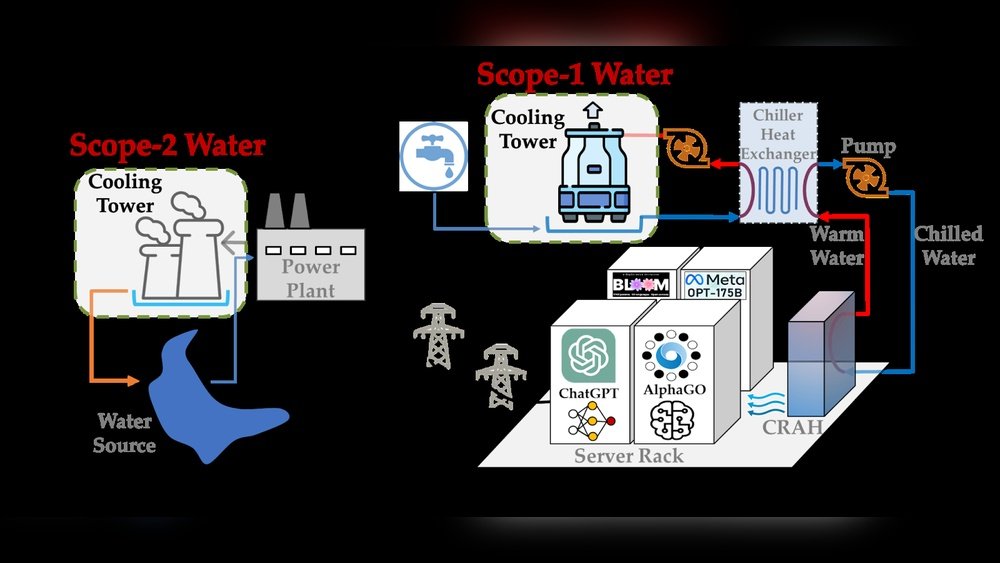
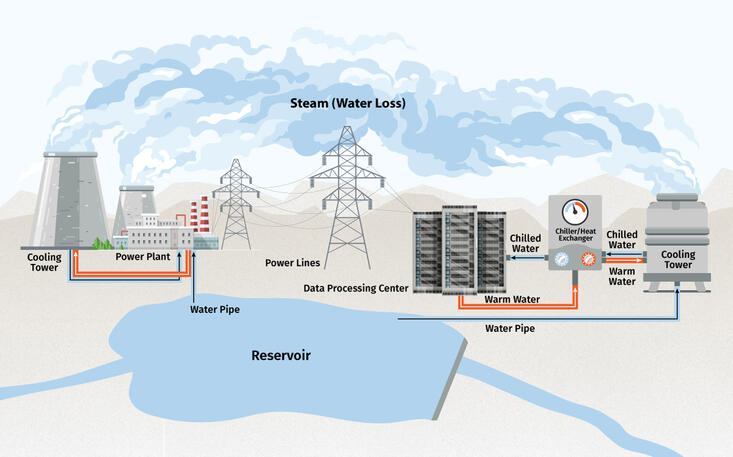
AI runs on powerful computers inside data centers. These computers produce a lot of heat during operation. To prevent overheating, large amounts of water cool the computer chips. Water circulates through cooling towers and systems. Some water evaporates to remove heat, which reduces the local water supply.
Water In Power Generation
Data centers need constant electricity to run AI systems. Power plants generate this electricity, often using steam turbines. These plants consume vast amounts of water for cooling and steam production. The water used here is indirect but crucial for AI operation.
Water Use In Chip Manufacturing
AI depends on semiconductor chips found in computers and devices. Making these chips requires a complex manufacturing process. This process uses large volumes of ultra-pure water to clean and cool components. Water use here is essential to produce reliable AI hardware.
Credit: www.independent.co.uk
Cooling Data Centers
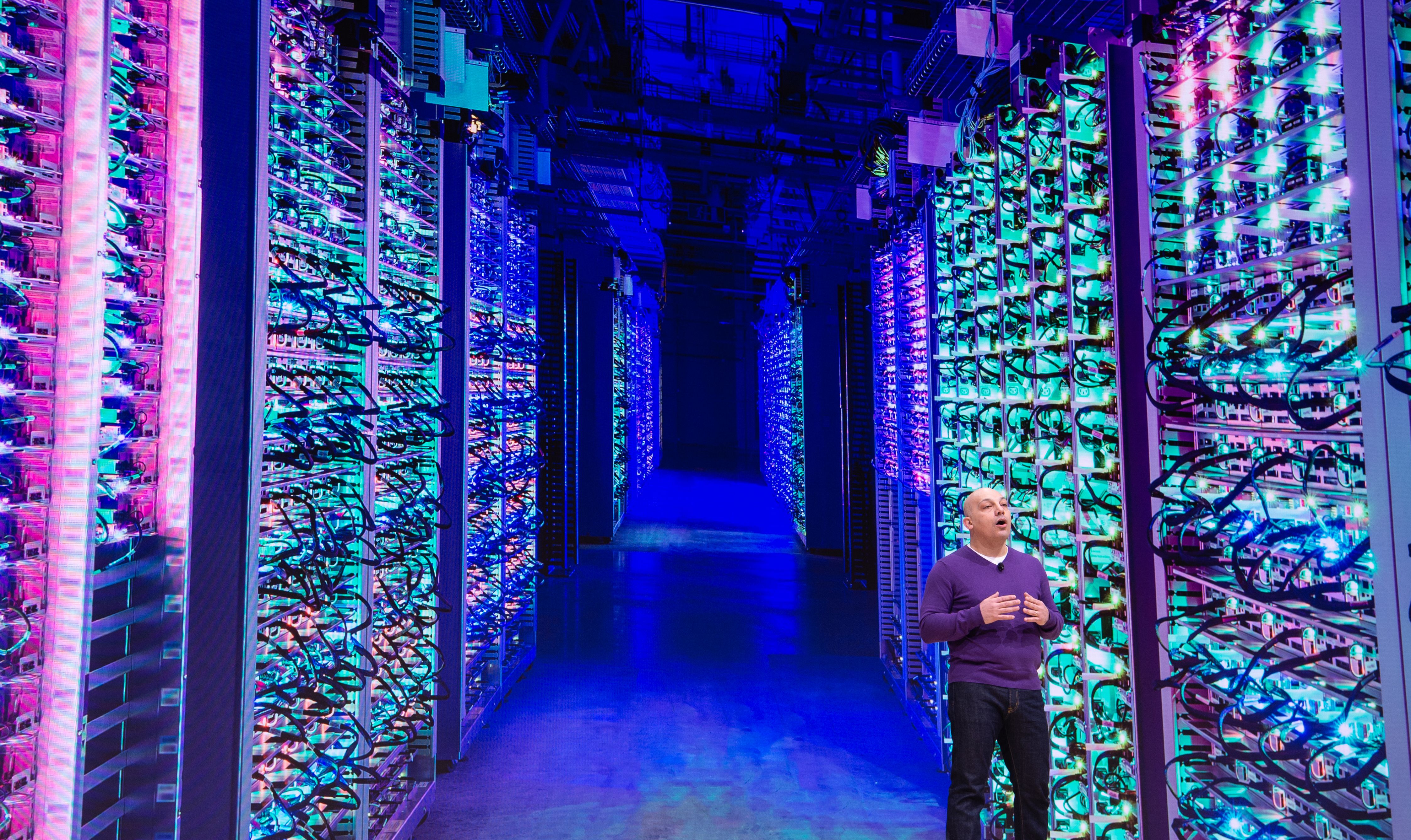
Data centers house thousands of powerful computers that run AI applications. These machines generate a lot of heat during operation. Without proper cooling, they would overheat and stop working.
Cooling data centers is essential for keeping AI systems online and efficient. Water plays a key role in this cooling process. Many data centers use water to absorb and carry away heat from servers.
Water Cooling Systems In Data Centers
Water cooling systems circulate water through pipes near hot computer chips. The water absorbs heat and moves it away. This helps maintain safe temperatures inside the data center.
Cooling towers release the heat from the water into the air. This process often causes some water to evaporate. That means water is lost and needs to be replaced regularly.
Evaporation And Water Consumption
Evaporation cools the water but reduces water supply. Data centers can use millions of gallons of water yearly. This high water use raises concerns about sustainability and local water resources.
Indirect Water Use In Power Generation
Data centers also rely on electricity, which often comes from power plants using water. These plants use water to cool turbines and generate electricity. This indirect water use adds to the total water footprint of AI.
Water Evaporation Impact
Water evaporation plays a key role in how artificial intelligence (AI) systems use water. Many AI data centers rely on water-based cooling systems to keep computer chips from overheating. As the water absorbs heat, it evaporates, causing water loss from local supplies. This evaporation impact is important to understand when discussing AI’s water use.
Evaporation removes heat efficiently but consumes large amounts of water. Data centers pump water through cooling towers where warm water turns into vapor. This process cools the machines but reduces available water in the environment. The evaporation rate depends on climate, system design, and water source.
Efforts to reduce evaporation could lower water use in AI systems. Using advanced cooling technology or recycling water can limit losses. Monitoring evaporation helps manage water resources better around data centers.
How Ai Data Centers Use Water For Cooling
AI data centers generate intense heat from powerful chips. Water flows through cooling towers to absorb and carry away this heat. As the water heats, it evaporates into the air, cooling the system but losing volume. This evaporation is a major water use in AI operations.
Environmental Effects Of Water Evaporation
Water evaporation from AI cooling affects local water supplies. It can reduce water availability for other uses like farming and drinking. In dry regions, this loss worsens water scarcity. Managing evaporation helps protect these vulnerable areas.
Reducing Evaporation In Ai Systems
New technologies aim to cut evaporation in AI cooling. Closed-loop cooling systems recycle water instead of releasing vapor. Using air cooling or liquid coolants can lower water loss. These methods help AI use water more sustainably.
Power Generation Demands
AI systems need a lot of electricity to work properly. This electricity often comes from power plants that rely heavily on water. Water plays a key role in creating the energy needed to run data centers and AI servers.
Power generation uses water mainly for cooling and steam production. Without enough water, power plants cannot operate efficiently. This makes water a vital resource for AI technology.
Cooling Power Plants
Power plants produce heat while generating electricity. They use large amounts of water to cool down. The water absorbs heat and then returns to a cooling tower or river. This process prevents the plant from overheating.
The water used in cooling often evaporates. This evaporation reduces local water supplies. Some power plants recycle water, but many still use fresh water continuously.
Steam Production
Many power plants create electricity by turning water into steam. The steam drives turbines that generate power. This process requires high-quality water to avoid damage to equipment.
Steam production consumes large volumes of water. The demand grows as AI data centers expand. This means more water is needed to support AI power requirements.
Impact On Water Resources
Power generation for AI adds pressure on water resources. In dry regions, water scarcity can limit energy production. This creates challenges for maintaining AI operations.
Efficient water use and new cooling technologies can reduce this impact. Some power plants are switching to air cooling or using recycled water. These steps help protect water supplies while powering AI.
Chip Manufacturing Water Needs
Chip manufacturing requires a large amount of pure water. This water plays a key role in creating the tiny circuits inside each chip. The process needs water that is free from dust and chemicals. Even a small impurity can damage the chips.
Water is used to clean the wafers many times during production. It removes particles and chemicals to keep the chips flawless. Without clean water, the chips will not work properly.
Water Purification In Chip Manufacturing
Water must be purified to very high levels for chip making. The process removes almost all impurities. This ultra-pure water is called “deionized water.” It prevents any contamination of the chips during cleaning and rinsing.
Water Cooling In Chip Production
Chip manufacturing machines generate a lot of heat. Water cools these machines to keep them running well. Cooling systems use water to absorb and carry away heat. This helps maintain precision and quality in production.
Water Recycling Efforts
Chip factories try to recycle water to reduce waste. Recycled water goes through cleaning before reuse. Recycling helps lower the total water demand. It also protects local water sources from overuse.
Indirect Water Consumption
AI indirectly uses water mainly through cooling data centers and producing electricity. Water cools heated computer chips and powers plants generating energy for AI operations. Manufacturing AI chips also consumes significant water in cleanroom processes.
Artificial intelligence (AI) uses water beyond just direct cooling. Most water use happens indirectly through electricity and manufacturing. This hidden water use often goes unnoticed.
AI systems need large amounts of electricity. Power plants use water to create that electricity. This water cools the plants and helps produce energy.
Water Use In Power Generation
Power plants use water to turn turbines and cool machines. Many plants rely on steam, which needs water to work. Cooling systems in these plants use water constantly.
This means AI’s electricity demand leads to high water use at power stations. The more AI runs, the more water power plants consume.
Water In Semiconductor Manufacturing
AI depends on semiconductor chips. Making these chips requires clean water for washing and cooling. Factories use millions of gallons of water in chip production.
Water cleans tiny parts and controls temperature during manufacturing. This process uses water indirectly but in large quantities.
Data Center Cooling And Water
Data centers generate heat while running AI. Water cools these centers through cooling towers and systems. Some water evaporates to remove heat, reducing local water supply.
Cooling is a direct water use, but it links to indirect consumption through electricity and manufacturing too.
Scale Of Ai’s Water Footprint
AI consumes large amounts of water mainly to cool data centers that house powerful computer chips. Water also supports electricity production and chip manufacturing, both essential for AI operations. This indirect and direct water use adds up as AI demand grows worldwide.
Artificial Intelligence needs a lot of water for its operations. The water use grows as AI systems become more common. Data centers, which power AI, consume huge amounts of water daily. This water cools the servers to keep them from overheating.
Besides direct use in data centers, AI also depends on water indirectly. Power plants that supply electricity to these centers use large volumes of water. Manufacturing the chips that run AI also requires significant water.
Direct Water Use In Data Centers
Data centers generate intense heat from thousands of computer chips. Water cooling systems absorb this heat to protect the equipment. Cooling towers circulate water, which evaporates and cools the air. This evaporation leads to substantial water loss from local supplies.
Many large AI data centers operate 24/7, increasing water demand continuously. The higher the processing power, the more water is needed for cooling.
Indirect Water Use Through Power Generation
AI systems require vast electricity to function. Most electricity comes from power plants that use water for cooling and steam production. These plants consume water in huge quantities to generate power for AI operations.
Power plants using fossil fuels or nuclear energy are especially water-intensive. Renewable energy sources tend to use less water but are less common.
Water Use In Chip Manufacturing
AI depends on advanced semiconductor chips. Producing these chips involves many water-heavy processes. Water cleans and cools the wafers during manufacturing. Factories use millions of gallons of water annually for this purpose.
The demand for AI chips grows as AI technology spreads. This growth increases water use in chip production globally.
Estimating The Overall Water Footprint
Estimates vary on how much water AI consumes worldwide. Some studies suggest billions of liters of water yearly. The cumulative impact grows with the rise of AI applications.
Understanding this scale helps highlight the need for water-efficient AI technologies. It also stresses the importance of sustainable water use in AI development.
Water Recycling In Ai Systems
Sustainable AI cooling technologies aim to reduce water use in data centers. These systems keep AI hardware cool without wasting fresh water. Cooling is necessary because AI chips generate a lot of heat during operation.
Traditional cooling uses large amounts of water. This can strain local water supplies. New methods focus on efficiency and using less water. These technologies help lower the environmental impact of AI.
Liquid Cooling Systems
Liquid cooling moves heat away from AI chips using special fluids. These fluids absorb heat better than air. This method uses less water than traditional cooling towers. It also increases the efficiency of heat removal. Some systems recycle the cooling liquid to save water.
Evaporative Cooling Alternatives
Evaporative cooling uses water evaporation to remove heat. It consumes significant water volumes. New alternatives use air or closed-loop systems to reduce evaporation. These systems recycle water and minimize losses. They keep AI servers cool while saving water.
Renewable Energy Integration
Using renewable energy lowers indirect water use in AI cooling. Solar and wind power reduce reliance on water-heavy power plants. This cuts water consumption linked to electricity generation. Combining clean energy with efficient cooling helps save water resources.
Advanced Thermal Management
Advanced thermal management uses sensors and AI for precise cooling control. It adjusts cooling based on real-time data. This avoids overcooling and water waste. These smart systems optimize water use and maintain safe temperatures.
Sustainable Ai Cooling Technologies
Water efficiency is becoming a key focus in the development of AI technologies. As data centers grow, their water use increases. New trends aim to reduce water consumption while maintaining performance.
Future innovations will help AI systems use water more wisely. These advances can lower environmental impact and save valuable resources.
Advanced Cooling Technologies
Cooling uses the most water in AI data centers. New cooling methods use less or no water. Air cooling and liquid cooling with recycled water are gaining ground. These systems keep chips cool with minimal water loss.
Ai-driven Water Management
AI itself helps manage water use better. Smart sensors track water flow and detect leaks early. Machine learning predicts cooling needs to avoid waste. This reduces water use without hurting data center efficiency.
Renewable Energy And Water Savings
Power plants use much water to generate electricity for AI. Using solar and wind energy cuts water use drastically. Cleaner energy sources reduce the water footprint of AI operations.
Water Recycling And Reuse
Data centers are adopting water recycling systems. Treated water is reused for cooling. This lowers fresh water demand and limits wastewater discharge. Recycling helps preserve local water supplies.
Credit: news.ucr.edu
Frequently Asked Questions
How Does Chatgpt Use Water?
ChatGPT uses water indirectly by powering and cooling data centers. Water cools servers and supports electricity generation for AI operations.
Can Water Used By Ai Be Reused?
Yes, water used by AI data centers can be reused through recycling and cooling system recirculation. This reduces overall water consumption and environmental impact.
How Wasteful Is Ai?
AI consumes significant water mainly for cooling data centers and power plants. This indirect use impacts local water resources.
How Much Water Will Ai Have Used By 2027?
By 2027, AI data centers could use billions of gallons of water annually for cooling and power generation.
How Does Ai Use Water In Data Centers?
AI data centers use water mainly for cooling hot computer chips through water-cooled systems.
Why Do Ai Data Centers Need So Much Water?
Large amounts of water evaporate during cooling, causing high water consumption in data centers.
How Is Water Used Indirectly By Ai Systems?
AI relies on electricity, which often comes from power plants that use water for cooling.
Does Ai Chip Manufacturing Consume Water?
Yes, producing AI chips requires significant water for cleaning and cooling in factories.
How Does Water Cooling Work In Ai Facilities?
Water absorbs heat from computer chips, then cools down through evaporation or towers.
What Role Does Water Play In Ai Electricity Generation?
Power plants use water to create steam and cool systems powering AI data centers.
Conclusion
AI relies heavily on water, especially in cooling data centers. These centers produce much heat and need water to stay cool. Water also supports the power plants that generate electricity for AI systems. Manufacturing AI chips consumes large amounts of water too.
Even small water use grows big due to the billions of daily AI requests. Understanding AI’s water use helps us think about sustainability. Finding ways to reduce this use is important for the planet. Water and AI are connected in many unseen ways.