Have you ever wondered how AI models can tap into external data or tools to boost their capabilities? That’s exactly where MCP, or Model Context Protocol, comes into play.
If you’re curious about what MCP in AI really means and how it’s changing the way artificial intelligence interacts with the world around it, this article is for you. By the end, you’ll understand how MCP acts like a universal translator for AI, letting it connect smoothly with databases, search engines, and even file systems — all without complicated coding.
Ready to discover how MCP could unlock new potential in your AI projects? Let’s dive in.

Credit: blog.replit.com
Model Context Protocol Basics
The Model Context Protocol (MCP) forms the foundation for how AI models connect with external resources. It sets clear rules that guide communication between large language models (LLMs) and tools like databases, APIs, or file systems. MCP works like a common language, enabling AI to access and use data beyond its own training.
By following MCP, developers can link AI models to many services without complex coding. This protocol helps AI become more flexible and capable. MCP can be seen as a standard bridge, allowing AI to interact with the world in a controlled and efficient way.
What Is Model Context Protocol?
MCP is a communication standard made for AI. It defines how AI models request and receive information from external sources. This protocol ensures that AI can work with different tools smoothly and without confusion.
How Does Mcp Work?
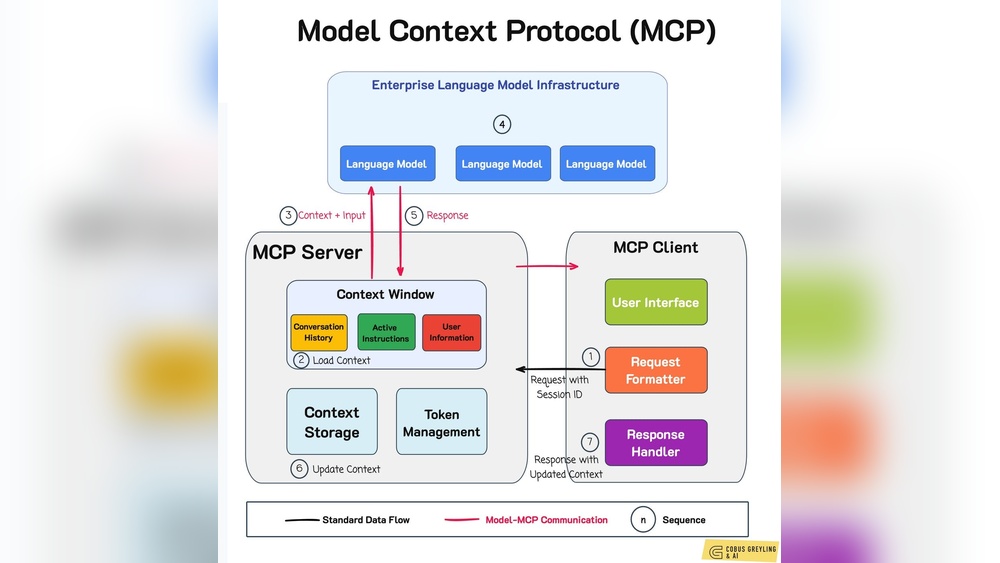
MCP acts like a messenger between AI and other systems. When an AI needs data, it sends a request using MCP rules. The external system answers back in a format the AI understands. This back-and-forth follows clear steps to keep interactions simple and secure.
Why Is Mcp Important?
MCP allows AI to do more than just answer questions. It can fetch real-time data, run commands, or access files. This makes AI applications smarter and more useful. MCP reduces the need for custom code, saving time and effort for developers.
Mcp Vs Api
Understanding the difference between MCP and API is important in AI development. Both serve as bridges for communication. Yet, they work in unique ways and serve different purposes.
An API, or Application Programming Interface, is a set of rules developers use. It helps software programs talk to each other. APIs require fixed code for each task. Developers must write and maintain this code. Security and context are managed by the developer.
MCP, or Model Context Protocol, is designed for AI models. It allows AI to interact with tools and data dynamically. MCP acts like a common language for AI agents. This lets AI use various services without pre-written code. It simplifies the AI’s access to external resources.
What Is An Api?
APIs are instructions made for human developers. They define how different software parts communicate. Each action needs specific code. Developers write these codes to connect systems. APIs are widely used in software development.
What Is Mcp?
MCP is a newer protocol for AI systems. It standardizes how AI models connect to external tools. AI can request data or services without fixed code. MCP supports flexible and dynamic interaction. It makes AI more adaptable and useful.
Key Differences Between Mcp And Api
APIs require manual coding for every function. MCP allows AI to use a conversational method. API security is developer-managed. MCP handles security and context automatically. APIs are static; MCP is dynamic. This makes MCP better for evolving AI needs.
How Mcp Works
The Model Context Protocol (MCP) plays a vital role in how AI interacts with external tools and data. It acts as a common language that allows AI models to communicate with various services seamlessly. This section explains how MCP works to make AI more functional and adaptable.
Communication Between Ai And External Systems
MCP sets clear rules for AI to access outside resources. These resources include databases, file systems, and APIs. The protocol ensures that AI can send requests and receive responses in a structured way. This helps AI understand and use real-world information efficiently.
Standardizing Interaction With Tools
With MCP, different AI models use the same method to connect with tools. This standardization simplifies integration. Developers do not need to write unique code for each AI or tool. Instead, they rely on MCP to handle communication smoothly.
Dynamic Access Without Pre-written Code
Unlike traditional APIs, MCP allows AI to interact dynamically. AI models can decide what data or tools to use during tasks. This flexibility reduces the need for hard-coded instructions. It lets AI agents adapt to new situations quickly.
Real-world Examples Of Mcp In Action
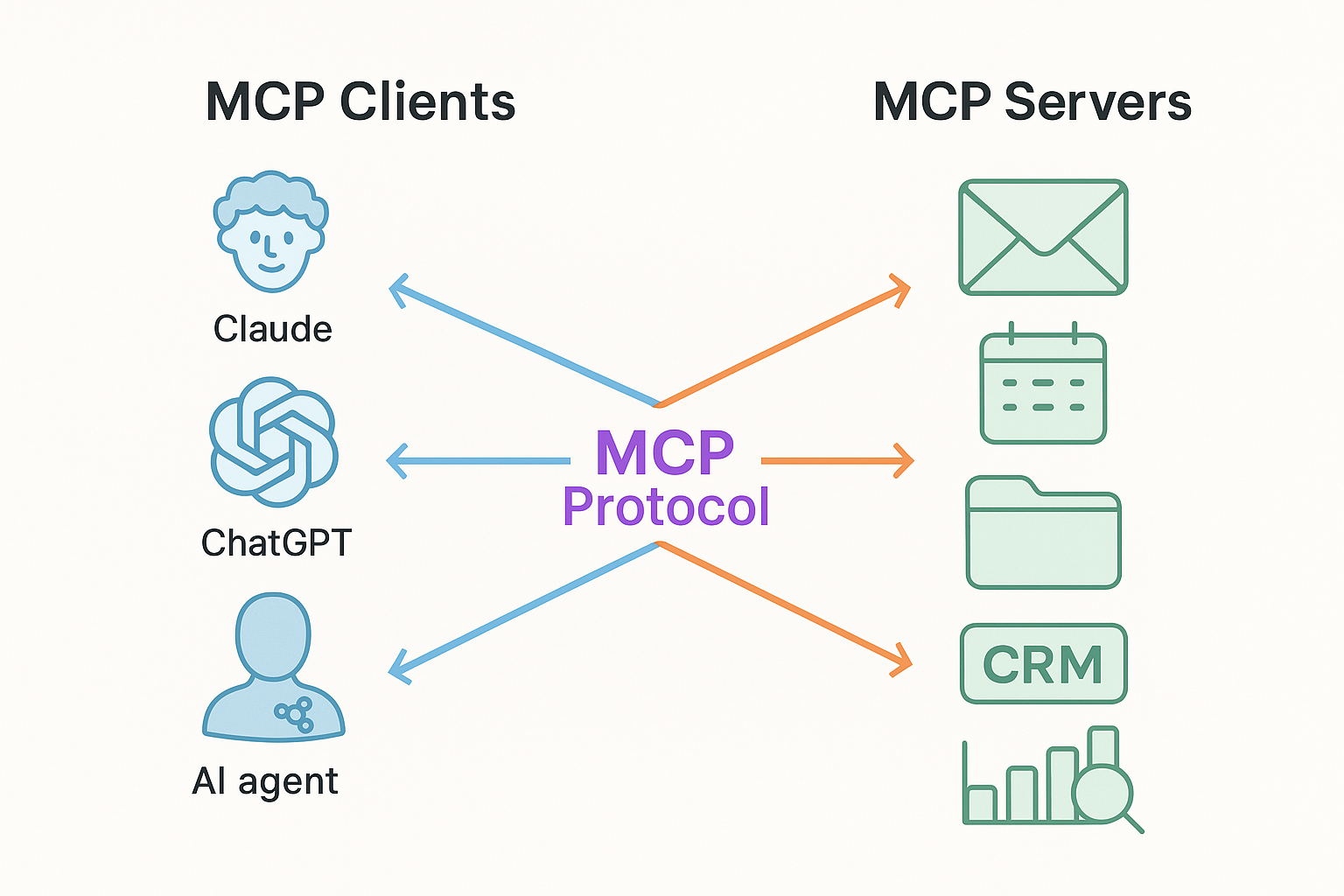
An AI agent can read documents stored in a file system using MCP. It can also search the internet or fetch data from a database. MCP acts as a bridge, enabling AI to perform these actions through one consistent protocol.
Mcp’s Role In Ai Communication
The Model Context Protocol (MCP) plays a vital role in AI communication. It creates a standard way for AI models to talk with external tools and data. This protocol allows AI to do more than just process text. It helps AI connect with databases, APIs, and file systems smoothly.
By using MCP, AI systems can request information or perform tasks outside their core programming. This ability makes AI applications smarter and more useful. Developers benefit from MCP by easily integrating new tools without complex coding. The protocol simplifies interactions and boosts AI’s practical use.
What Mcp Does In Ai Communication
MCP acts like a bridge for AI models. It links them to outside resources in a clear, uniform way. This connection lets AI access real-world data and services. For example, an AI can fetch a document or search the internet.
Without MCP, each AI would need unique code for each tool. MCP removes this barrier by providing a common language. This standardization speeds up development and reduces errors. It also helps AI adapt to new tools quickly.
How Mcp Improves Ai Interactions
MCP improves how AI communicates by setting clear rules. These rules guide data exchange between AI and external systems. They ensure information flows correctly and securely. This clarity helps AI understand and respond better.
With MCP, AI agents can combine multiple sources of data. They can work with different platforms without extra programming. This flexibility allows AI to handle complex tasks in real time.
Comparing Mcp To Traditional Apis
Traditional APIs require developers to write specific code for each action. MCP, in contrast, uses a standardized protocol designed for AI. It allows AI agents to interact dynamically with tools. This means less manual coding and more automation.
APIs often need updates when tools change. MCP reduces this need by offering a universal communication method. AI systems can use MCP to maintain connections smoothly across many services.
Benefits Of Using Mcp
The benefits of using MCP in AI are clear and practical. MCP allows AI models to connect with many external tools and data sources easily. This connection helps AI systems become more flexible and useful.
MCP creates a standard way for AI to communicate with the outside world. This standard reduces the effort needed to build complex AI applications. Developers can add new features without rewriting code from scratch.
Improved Integration With External Tools
MCP enables AI to work smoothly with different software and services. It acts like a universal translator for AI and external systems. This helps AI access data, search engines, and file systems quickly.
Increased Ai Capabilities
With MCP, AI models can perform more tasks. They can fetch real-time information or interact with databases easily. This expands what AI can do beyond its original training.
Reduced Development Time
Developers spend less time coding specific connections. MCP’s standard protocol means less custom work is needed. This speeds up the creation of AI-powered applications.
Better Consistency And Reliability
MCP ensures that AI communication follows a clear set of rules. This reduces errors and improves reliability. AI applications built with MCP are more stable and predictable.
Mcp As An Ai Bridge
The Model Context Protocol (MCP) acts as a vital bridge in artificial intelligence. It connects AI models with external tools and data sources. This connection allows AI systems to perform tasks beyond their built-in abilities.
MCP works like a communication protocol, similar to how the web uses HTTP. It sets clear rules for how AI models can request and receive information from outside sources. This standardization helps various AI systems interact with databases, search engines, and APIs seamlessly.
Mcp Bridges Ai And External Data
MCP allows AI to access real-world information easily. AI models can read files, search the internet, or query databases through MCP. This access makes AI smarter and more useful in many applications.
How Mcp Standardizes Ai Communication
Without MCP, each AI tool would need its own way to connect with data sources. MCP creates one common language for these interactions. Developers save time and effort integrating new tools with AI models. This leads to faster development and better AI solutions.
Benefits Of Using Mcp As An Ai Bridge
MCP improves AI flexibility and power. It lets AI agents combine multiple tools in one workflow. This means AI can solve more complex problems with less manual coding. MCP also helps maintain security and context in data exchanges.
Examples Of Mcp Applications
The Model Context Protocol (MCP) allows AI models to connect with external tools and data. This connection helps AI perform tasks beyond its built-in knowledge. MCP acts as a bridge, enabling AI to use services like search engines, file systems, and databases. Below are some examples of how MCP is applied in real-world AI systems.
Accessing File Systems
AI agents can read, write, and manage files using MCP. This ability helps AI work with documents, images, and other data stored on computers. For example, an AI could analyze a report saved on a local drive or update a spreadsheet automatically.
Using Search Engines
MCP allows AI to query search engines to find updated information online. This feature helps AI provide current answers and facts beyond its training data. It makes AI more useful for tasks like research, news updates, and fact-checking.
Querying Databases
AI models can access databases via MCP to retrieve specific data. This includes customer records, product inventories, or financial information. Such access helps AI generate reports, provide insights, or automate business processes.
Interacting With Apis
MCP standardizes how AI communicates with various APIs. This lets AI control smart devices, access weather forecasts, or perform transactions. The protocol removes the need for custom code for each tool, simplifying development.
Mcp And Ai Autonomy
The Model Context Protocol (MCP) plays a vital role in advancing AI autonomy. It allows AI systems to communicate seamlessly with external tools and data. This connection helps AI act more independently and intelligently.
By using MCP, AI models no longer rely solely on pre-set instructions. They gain the ability to explore, learn, and make decisions using real-time information. This marks a key step toward true AI autonomy.
Mcp Enables Dynamic Decision-making
MCP gives AI models access to many resources like databases, APIs, and file systems. This access lets AI gather fresh data and update its knowledge on the fly. As a result, AI can make smarter, context-aware choices without human input.
Standardized Communication For Ai Agents
MCP acts as a universal language for AI and external systems. It sets clear rules for data exchange, reducing confusion between different tools. This standardization simplifies the integration of new functions into AI agents.
How Mcp Supports Autonomous Ai Actions
Autonomy means AI can perform tasks without constant guidance. With MCP, AI can independently fetch information, analyze it, and execute actions. This protocol provides the framework for AI to operate with more freedom and flexibility.
Real-world Examples Of Mcp In Ai Autonomy
An AI assistant can use MCP to search the web for answers. It can also access a company’s database to retrieve client details instantly. These autonomous actions improve efficiency and user experience by reducing manual steps.
Integration With Existing Apis
Integration with existing APIs is crucial for the Model Context Protocol (MCP) in AI. MCP acts as a bridge, enabling AI models to communicate with various external systems smoothly. This integration allows AI to access real-world data and services efficiently.
Using MCP, AI can connect with APIs without needing custom code for each interaction. This simplifies development and expands AI capabilities by leveraging existing tools and data sources. It creates a flexible environment for AI applications.
How Mcp Enhances Api Integration
MCP provides a standard way for AI to understand and use APIs. It translates AI requests into API calls and processes responses back to the AI. This standardization reduces complexity and speeds up integration.
Benefits Of Using Mcp With Apis
MCP allows AI models to access many APIs dynamically. Developers do not need to write separate code for each API. This saves time and lowers the chance of errors. It also improves security by managing access uniformly.
Examples Of Mcp And Api Collaboration
An AI agent can query a weather API to get live forecasts. It can also use a payment API to handle transactions or a database API to fetch user data. MCP ensures smooth and secure communication in all cases.

Credit: addyo.substack.com
Future Potential Of Mcp
The future potential of Model Context Protocol (MCP) in artificial intelligence is vast. MCP enables AI models to communicate with external tools and data sources easily. This standardization creates new opportunities for AI to perform complex tasks seamlessly. As AI systems grow more advanced, MCP will play a crucial role in expanding their capabilities.
By using MCP, AI can access real-time information, interact with various services, and adapt to different environments. This flexibility allows AI to assist in areas beyond simple text generation. It can become a powerful tool for automation, decision-making, and problem-solving across industries.
Enhanced Ai Integration With External Systems
MCP allows AI models to connect with databases, file systems, and APIs without extra coding. This connection helps AI gather and use up-to-date data. It leads to smarter responses and better task execution. Businesses will benefit from AI systems that integrate smoothly with their existing software.
Improved Collaboration Between Ai Agents
With MCP, multiple AI agents can share information and work together efficiently. This cooperation improves the quality and speed of results. Different AI models can specialize in tasks and support each other. Such teamwork will make AI more reliable and versatile in solving problems.
Expansion Of Ai Applications
MCP opens doors for AI in new fields like healthcare, finance, and customer service. AI can safely access patient records, financial data, or user preferences through standardized protocols. This access will help AI deliver personalized and accurate solutions. The broad use of MCP will drive innovation in many sectors.
Facilitating Real-time Ai Decision Making
The protocol supports real-time data exchange, allowing AI to respond quickly to changes. This capability is essential for applications like autonomous vehicles and smart cities. MCP enables AI to make informed decisions by constantly updating its context. Faster and smarter AI will improve safety and efficiency in critical systems.
Credit: securityboulevard.com
Frequently Asked Questions
What Does Mcp Stand For In Ai?
MCP in AI stands for Model Context Protocol. It standardizes communication between AI models and external tools, enabling dynamic data access and interaction. MCP acts like “HTTP for AI,” allowing AI systems to connect with databases, APIs, or file systems seamlessly, enhancing their capabilities and versatility.
What Is Mcp Vs Api?
MCP (Model Context Protocol) lets AI agents dynamically interact with tools using a standardized language. APIs require explicit coding by developers for each function. MCP enables autonomous, context-aware communication, wrapping APIs for easier AI integration without pre-written code.
What Is Mcp In Claude?
MCP in Claude stands for Model Context Protocol. It enables AI models to connect and interact with external tools and data seamlessly. MCP acts like a communication bridge, allowing AI to access resources such as databases, file systems, and APIs dynamically and autonomously.
What Is Microsoft Mcp Ai?
Microsoft MCP AI stands for Model Context Protocol. It enables AI models to communicate with external tools and data seamlessly. MCP acts as a standardized bridge, allowing AI to access resources like databases, APIs, and search engines dynamically. This boosts AI versatility and real-world functionality.
What Does Mcp Stand For In Ai?
MCP means Model Context Protocol, a standard for AI models to connect with external tools and data.
How Does Mcp Improve Ai Capabilities?
MCP lets AI access data and services outside itself, making AI more useful and flexible.
What Is The Main Function Of Mcp In Ai?
It acts like a bridge, allowing AI to communicate with databases, APIs, and other resources.
How Is Mcp Different From A Traditional Api?
MCP is designed for AI agents to interact dynamically, while APIs need fixed, pre-written code.
Why Is Mcp Called The “http For Ai”?
Because MCP standardizes communication between AI models and external systems, similar to HTTP for the web.
Can Mcp Help Ai Access Real-time Information?
Yes, MCP enables AI to fetch live data from search engines, databases, and file systems instantly.
Conclusion
MCP helps AI models connect with tools and data easily. It sets clear rules for communication between AI and external systems. This makes AI more flexible and useful in many tasks. Developers benefit from using MCP because it reduces work and speeds up integration.
Think of MCP as a common language for AI to work better. Understanding MCP is key to seeing how AI grows smarter and more helpful.