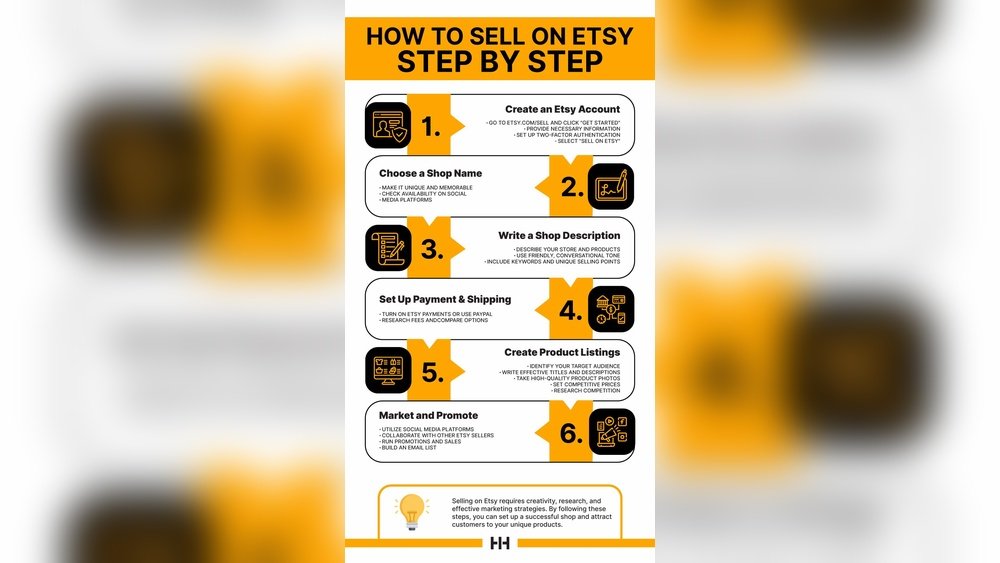
Thinking about turning your creativity into a steady income? Selling on Etsy could be the perfect way to reach millions of buyers who appreciate handmade, vintage, and unique goods.
But how do you actually start and succeed in such a busy marketplace? This guide will walk you through the exact steps you need to set up your shop, list your products, and attract customers. By the end, you’ll know how to avoid common pitfalls and confidently launch your Etsy business.
Ready to make your first sale and grow your brand? Let’s dive in and unlock the secrets to selling on Etsy!
Choosing Your Niche
Choosing your niche is a crucial step in selling on Etsy. It helps you target the right customers. A clear niche makes your shop stand out. It also simplifies marketing and product creation. Picking the right niche can increase your chances of success.
Understand Your Interests And Skills
Start by listing what you enjoy making or doing. Your passion will show in your products. Skills matter too. If you are good at crafting jewelry, consider that niche. Combining interest and skill leads to better products.
Research Market Demand
Check what buyers want on Etsy. Use the search bar to find popular products. Look at best-selling items in different categories. Choose a niche with steady demand but less competition. This balance helps your shop grow.
Analyze Your Competitors
Look at shops selling similar products. Notice their prices, styles, and customer reviews. Find gaps you can fill with your unique touch. Learning from competitors helps you improve your shop.
Consider Your Target Audience
Think about who will buy your products. Age, gender, hobbies, and location matter. Understanding your audience guides your product design and marketing. Focus on a group you can serve well.
Test And Adjust Your Niche
Start with a small product range in your chosen niche. Watch how customers respond to your listings. Use feedback to improve your products. Be ready to tweak your niche to fit market needs.
Setting Up Your Shop
Setting up your Etsy shop is the first step toward selling your creations online. The process is simple and designed to guide you through every detail. A well-set shop attracts buyers and builds trust.
Start by creating an account. This gives you access to Etsy’s seller tools and dashboard. Next, choose a shop name that reflects your brand and products. Finally, set your shop preferences to match your location and currency. These details help Etsy connect you with the right customers.
Creating An Account
Go to Etsy.com and click “Sell on Etsy.” Enter your email, name, and password. Confirm your email address to activate your account. This step ensures your shop is secure and ready for setup.
Naming Your Shop
Choose a unique and simple name. It should be easy to spell and remember. Your shop name represents your brand, so make it clear and relevant to your products. Etsy allows 4 to 20 characters for the shop name.
Shop Preferences
Select your shop language, country, and currency. These settings affect how buyers see your shop. The language is for your listings and communication. The country sets your location for shipping. The currency decides how you get paid.
Crafting Product Listings
Creating strong product listings is a key step to sell on Etsy. Listings show your products to buyers and help them decide. Clear, attractive listings improve your chances of sales.
Good listings include a title, description, and photos. Each part must be crafted carefully. These elements work together to present your product well.
Writing Effective Titles
Titles need to be clear and descriptive. Use words buyers type when searching. Include key details like product type, material, and style. Avoid extra words or symbols that confuse buyers. Keep titles short but complete. Good titles help your items appear in Etsy search results.
Optimizing Descriptions
Descriptions explain your product in detail. Start with the main features and benefits. Use simple sentences to describe size, color, and use. Tell buyers why your product is special. Add care instructions or shipping info if needed. Break text into short paragraphs for easy reading. Clear descriptions reduce buyer doubts and increase trust.
Using High-quality Photos
Photos attract buyers first. Use bright, clear images showing your product well. Show different angles and details. Use natural light or soft lighting for best results. Avoid blurry or dark photos. Include a photo with the product in use if possible. Good photos help buyers imagine owning the item.

Credit: www.youtube.com
Pricing Strategies
Setting the right price for your Etsy products is key to attracting buyers and making sales. Pricing strategies balance your costs, competition, and customer expectations. Smart pricing helps you stay profitable while appealing to shoppers.
Understanding costs and fees is the first step. Then, you can use competitive pricing tips to position your items well. Both parts work together for effective pricing on Etsy.
Calculating Costs And Fees
Start by adding all costs involved in making your product. Include materials, labor, and packaging expenses. Next, consider Etsy fees that reduce your profit.
Etsy charges a listing fee of $0.20 per item. There is also a 6.5% transaction fee on the sale price. Payment processing fees vary by country but are usually around 3% plus $0.25 per transaction.
Don’t forget shipping costs if you cover them. Also, keep in mind fees for currency conversion or offsite ads, if applicable. Add all these to find your total cost per item.
Competitive Pricing Tips
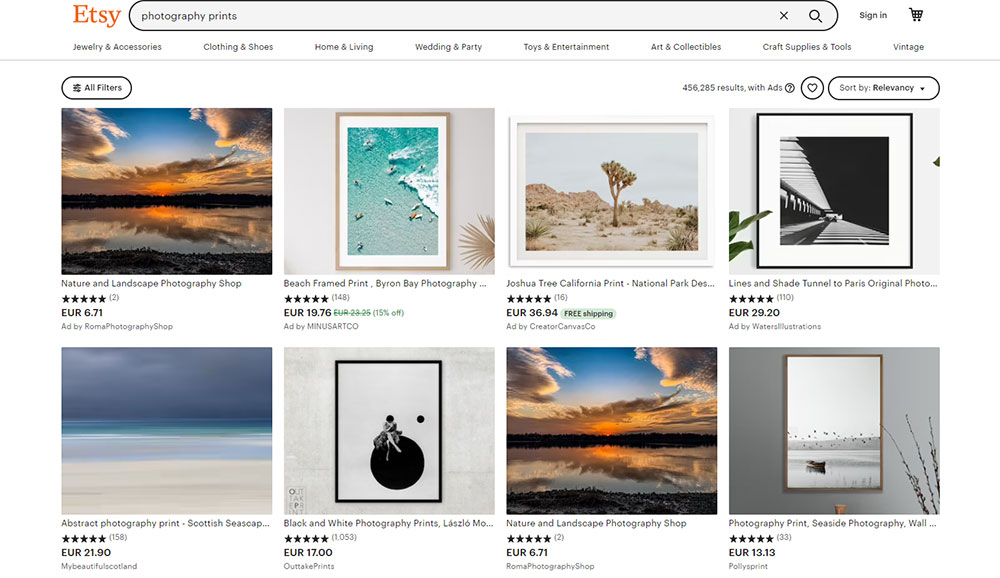
Check prices of similar items on Etsy. See what top sellers charge for products like yours. Aim to price your items close to market rates.
Offer value through quality, unique features, or better service. You can set a slightly higher price if your product stands out. Avoid pricing too low, which may hurt your brand and profits.
Consider sales and discounts to attract buyers without cutting your base price. Test different prices to see what works best. Adjust based on demand and costs over time.
Managing Etsy Fees
Managing fees on Etsy is vital to keep your shop profitable. Every sale has costs that impact your earnings. Understanding each fee helps you price products correctly and avoid surprises. Keep track of these fees regularly for better financial control.
Listing And Transaction Fees
Etsy charges a $0.20 fee for each product listing. This fee applies even if the item does not sell. Listings last for four months or until the item sells. When a sale happens, Etsy takes a 6.5% transaction fee on the item’s price. This fee includes shipping costs set by the seller. Knowing these fees helps you set prices to cover costs and make profit.
Payment Processing Costs
Payment processing fees vary by location but usually include a percentage plus a fixed amount. For example, sellers in the United States pay 3% plus $0.25 per transaction. This fee covers the cost of handling payments securely. It is deducted automatically when a buyer pays. Factor this cost into your pricing to avoid losses.
Offsite Ads And Additional Charges
Etsy offers Offsite Ads to promote your products outside the platform. Sellers with sales under $10,000 pay a 15% fee on sales made through these ads. Those with higher sales pay 12%. You can opt out if your shop earns less than $10,000 yearly. Additional fees may include currency conversion and international transaction costs. Stay aware of these charges to manage your shop budget wisely.
Boosting Shop Visibility
Boosting your Etsy shop visibility is essential for attracting more buyers. A visible shop gets more visits and higher chances of sales. You can improve visibility by focusing on three key strategies: SEO, tags and categories, and Etsy Ads. Each helps your shop appear in relevant searches and draws the right customers.
Seo For Etsy
SEO means making your shop easy to find in search results. Use clear and simple words in your titles and descriptions. Think about what buyers type when searching. Include those words naturally in your listings. Keep titles short and to the point. Write descriptions that explain your product well. Good SEO helps your items appear on the first page of Etsy search.
Using Tags And Categories
Tags and categories organize your products and connect them to buyers. Choose tags that describe your item’s use, style, and material. Use all available tag slots to cover different search terms. Pick categories that fit your product exactly. Correct tags and categories help Etsy show your products to interested shoppers. Change tags and categories if you see low traffic.
Leveraging Etsy Ads
Etsy Ads put your products in front of more people. You pay to promote listings inside Etsy. Start with a small budget to test which items perform best. Monitor your ad results daily. Stop ads on items that don’t sell well. Keep ads running on popular products to increase sales. Etsy Ads give extra visibility beyond organic search.
Shipping And Fulfillment
Shipping and fulfillment play a key role in selling on Etsy. Customers expect fast and safe delivery. Clear shipping processes build trust and encourage repeat buyers. Proper fulfillment ensures your products reach buyers in great condition. Plan your shipping carefully to avoid delays and extra costs.
Creating Shipping Profiles
Shipping profiles save time when listing items. Create profiles for different product sizes and weights. Include shipping costs, delivery times, and carriers. Etsy lets you set free shipping or flat rates. Use accurate details to avoid surprises at checkout. Profiles help keep your listings consistent and clear.
Packaging Tips
Good packaging protects your products during transit. Use sturdy boxes or padded envelopes. Wrap fragile items with bubble wrap or tissue paper. Add your shop logo or a thank you note for a personal touch. Keep packaging lightweight to lower shipping costs. Secure labels clearly and avoid tape over barcodes.
Handling International Orders
International shipping opens new markets but adds complexity. Check customs rules and required forms for each country. Include accurate item descriptions and values on customs forms. Consider longer delivery times and higher shipping fees. Offer tracking to give buyers peace of mind. Communicate clearly about possible delays to keep buyers happy.

Credit: www.shopify.com
Building Customer Trust
Building customer trust is vital to growing your Etsy shop. Buyers want to feel confident before making a purchase. Trust makes customers return and recommend your shop to others. You can build trust by being clear, honest, and helpful in every interaction.
Setting Clear Policies
Write your shop policies clearly. Include details on shipping, returns, and cancellations. Clear rules reduce confusion and prevent disputes. Make policies easy to find on your shop page. This helps buyers know what to expect.
Managing Reviews
Reviews show your shop’s reliability. Encourage buyers to leave honest feedback. Respond politely to all reviews, good or bad. Thank customers for positive comments. Address problems calmly to show you care. Good review management builds a strong reputation.
Providing Excellent Customer Service
Reply to messages quickly and kindly. Answer questions with clear and helpful information. Solve problems with patience and fairness. A positive experience keeps buyers happy and loyal. Great service turns first-time buyers into regular customers.
Expanding Product Range
Expanding your product range on Etsy can attract more customers and increase sales. Offering a variety of items helps your shop stand out. It also keeps your store fresh and interesting.
Adding new types of products lets you reach different buyer groups. It can improve your shop’s visibility in search results. Consider options that fit your brand and skills.
Adding Digital Products
Digital products are easy to sell and deliver. Examples include printable art, planners, and patterns. They require no shipping, saving time and costs. Buyers get instant access after purchase.
Creating digital items lets you sell 24/7 without inventory. Update your files regularly to stay relevant. Use clear images and detailed descriptions to attract buyers.
Seasonal And Trend-based Items
Seasonal products match holidays and special events. Think holiday decorations, gifts, or themed accessories. Trend-based items follow current popular styles or topics. These can boost sales quickly.
Plan your inventory around seasons and trends. Watch social media and Etsy trends for ideas. Act fast to capture customer interest before trends fade.
Avoiding Common Pitfalls
Starting to sell on Etsy can be exciting, but many sellers face common problems. Avoiding these pitfalls helps keep your shop running smoothly. It also improves your chances of success. Let’s explore key areas where sellers often struggle and how to handle them.
Dealing With Competition
Etsy has many sellers in every niche. Standing out is important. Use clear photos and detailed descriptions. Offer unique products or add a personal touch. Watch what others do but focus on your style. Keep prices fair but don’t undervalue your work. Respond quickly to customers to build good reviews. Consistency and quality attract buyers over time.
Protecting Original Designs
Copying is a risk on Etsy. Protect your designs by adding watermarks to images. Avoid sharing full tutorials publicly. Register your work if possible. Keep records of your design process and dates. If you find copies, report them to Etsy immediately. Originality builds your brand and trust with customers.
Managing Costs Efficiently
Fees on Etsy can add up fast. Understand listing, transaction, and payment fees well. Factor them into your product prices. Use free or low-cost tools for marketing and shipping. Track all expenses carefully. Look for cheaper shipping options without losing quality. Efficient cost management keeps your shop profitable and sustainable.
Credit: trafft.com
Frequently Asked Questions
How Much Does Etsy Take From A $100 Sale?
Etsy takes $10. 20 from a $100 sale. This includes a $6. 50 transaction fee, $3. 50 payment processing fee, and $0. 20 listing fee. Additional fees may apply for ads or currency conversion.
How Do I Start Selling On Etsy For Beginners?
Create an Etsy Seller account and set shop preferences. Name your shop, list products, and choose payment options. Start selling!
How Much Does It Cost To Sell At Etsy?
Etsy charges a $0. 20 listing fee per item, a 6. 5% transaction fee, and a 3% + $0. 25 payment processing fee. Additional fees may apply for Offsite Ads and currency conversion.
What Are The Downsides Of Selling On Etsy?
Selling on Etsy involves high competition, multiple fees, limited brand control, low customer loyalty, and managing fulfillment independently.
What Are The Basic Steps To Start Selling On Etsy?
Create an account, set shop preferences, name your shop, list products, and choose payment options.
How Much Does It Cost To Sell On Etsy?
Etsy charges a $0. 20 listing fee plus 6. 5% transaction and payment processing fees.
How Do I Create An Effective Etsy Product Listing?
Use clear photos, detailed descriptions, relevant keywords, and competitive pricing to attract buyers.
Can I Sell Digital Products On Etsy?
Yes, Etsy allows selling digital downloads like art, patterns, and printables easily.
How Does Etsy Handle Shipping For Sellers?
Sellers set shipping profiles with costs and delivery times; Etsy offers shipping label purchase options.
What Payment Methods Can I Use On Etsy?
Etsy Payments supports credit cards, debit cards, PayPal, Apple Pay, and other local methods.
Conclusion
Selling on Etsy takes time, effort, and patience. Start small, learn from each step, and keep improving your shop. Focus on clear photos, honest descriptions, and good customer service. Watch your costs and set fair prices to stay profitable. With persistence, your Etsy shop can grow steadily and bring you success.
Keep creating and sharing your unique products with buyers worldwide.