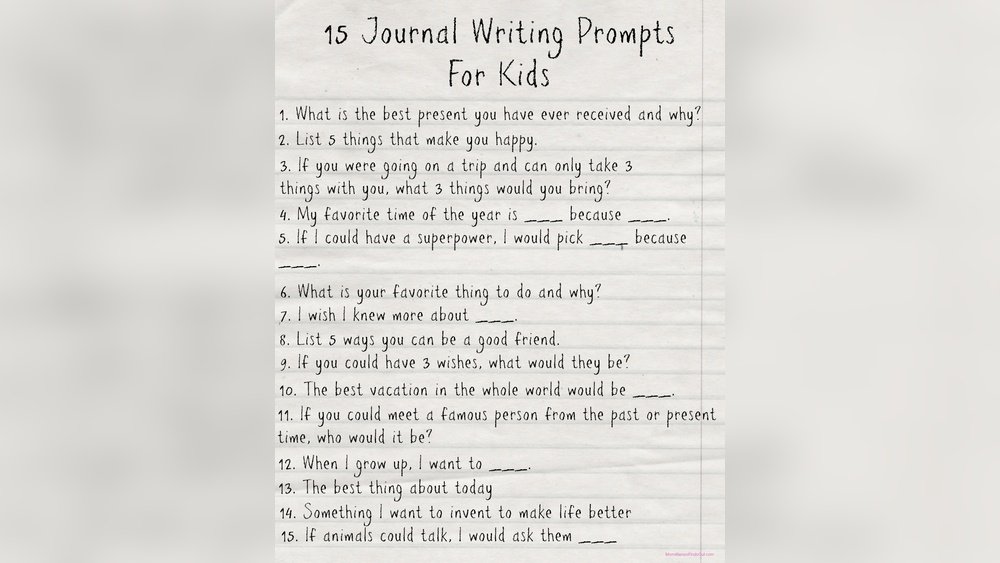
Are you ready to unlock the power of your thoughts and feelings? Journal writing prompts can be your secret weapon to spark creativity, boost self-awareness, and bring clarity to your day.
Whether you want to reflect on your past, set future goals, or simply express gratitude, the right prompt can guide you to write with purpose and ease. You’ll discover simple yet powerful prompts that speak directly to you—helping you grow, heal, and plan your best life.
Keep reading, because your next breakthrough might be just one sentence away.
Gratitude Prompts
Gratitude prompts help focus your mind on positive parts of life. Writing about gratitude can boost happiness and reduce stress. These prompts guide you to notice small and big blessings daily. Practicing gratitude regularly changes how you see the world and yourself.
Use these prompts to start your gratitude journal or add to your daily writing. They make it easy to find things to be thankful for, even on tough days. Writing about gratitude creates a habit of appreciation and joy.
Simple Gratitude Prompts
- What are three things you are grateful for today?
- Who is one person you appreciate and why?
- What is a small pleasure you enjoyed recently?
- What is something in nature you feel thankful for?
- What is a happy memory you are grateful to have?
Deep Gratitude Reflections
- How has a challenge helped you grow? Write about it.
- What talents or skills are you thankful to have?
- Which part of your daily routine brings you joy?
- Describe a time someone showed kindness to you.
- What is something you often overlook but feel grateful for?
Gratitude For Personal Growth
- What qualities in yourself do you appreciate most?
- Write about a lesson learned from a past mistake.
- How does gratitude affect your mood or mindset?
- What goals are you thankful to be working towards?
- What positive changes have you noticed in yourself lately?
Self-reflection Prompts
Self-reflection prompts guide you to explore your inner thoughts and feelings. They help you understand yourself better. Writing with these prompts can improve your mood and clarity. You learn from past actions and plan for the future. These prompts encourage honesty and growth in a gentle way.
What Are Three Things You Are Grateful For Today?
Gratitude opens the door to positive thinking. Writing about what you appreciate brings peace and joy. It shifts your focus from problems to blessings. Even small things count, like a kind word or a sunny day.
What Is One Mistake You Made Today? What Did You Learn From It?
Recognizing mistakes is key to self-improvement. Reflect on what went wrong and why. Writing helps you see lessons clearly. This prompt builds patience and a growth mindset.
What Are The Top Three Emotions You Are Feeling At The Moment?
Identifying your emotions helps you manage them better. List your feelings without judgment or explanation. This act increases self-awareness and emotional control. It makes your journal a safe place for honesty.
What Is Your Earliest Childhood Memory?
Childhood memories shape who we are today. Write about a vivid early memory and how it makes you feel. This prompt connects you to your roots and personal history. It can bring comfort or new insights.
What Is One Thing You Want To Work On?
Setting small goals keeps you motivated and focused. Choose one habit or skill to improve. Writing about it creates a plan and a promise to yourself. It turns ideas into actions.
Future Goals Prompts
Future goals prompts help you imagine and plan the life you want. They guide your thoughts toward what matters most. Writing about your goals makes them clearer and more real. This practice builds motivation and focus. It can also reduce anxiety about the future. Use these prompts to explore your dreams and create steps to reach them.
What Does Your Ideal Day Look Like?
Picture a perfect day from morning to night. Where are you? What are you doing? Who is with you? Describe every detail. This prompt helps you discover what truly makes you happy. It shows what to aim for in daily life. Write freely and let your imagination lead.
Where Do You See Yourself In Five Or Ten Years?
Think about your life in the future. What job do you have? What skills did you learn? What kind of home do you live in? Write about your relationships and hobbies too. This prompt helps set long-term goals. It gives a clear target to work toward.
What Can You Do Today To Get Closer To Your Goal?
Focus on one small step you can take now. It could be learning a skill or making a plan. Writing this down makes your goal feel achievable. This prompt encourages action and progress. Small steps add up to big changes.
Imagine Waking Up With All Your Problems Solved
Visualize a morning where everything is perfect. How do you feel? What do you do first? What does your day include? This prompt helps you identify what matters most to you. It reveals desires and priorities. Use this vision to guide your choices.
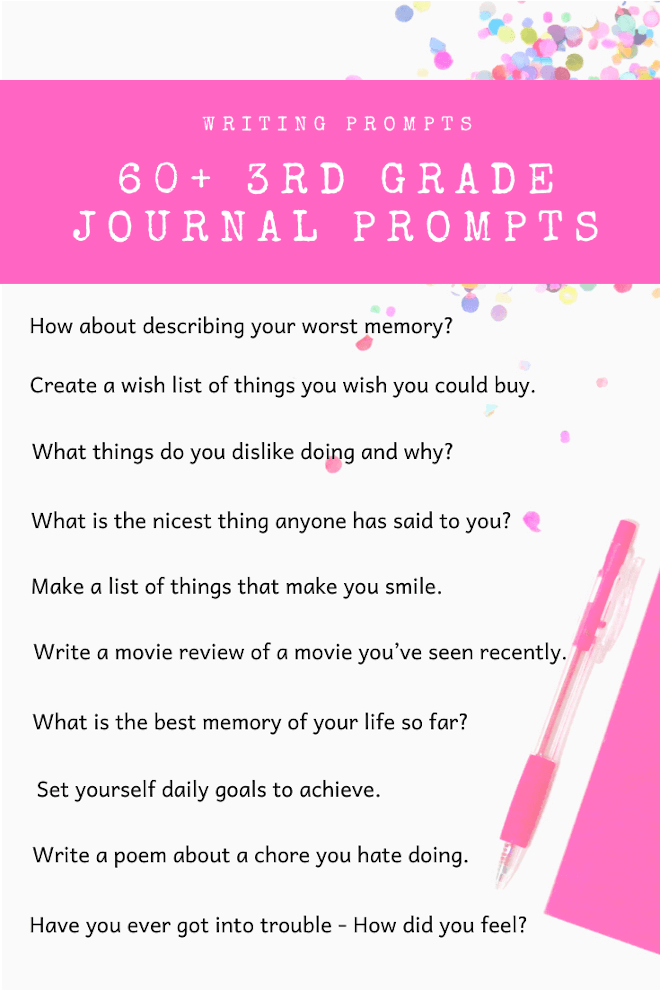
Credit: www.imagineforest.com
Past Experiences Prompts
Reflecting on past experiences helps us understand ourselves better. Writing about memories can reveal hidden feelings and lessons. These prompts focus on events that shaped who you are today.
Journaling about the past can improve self-awareness. It uncovers patterns, strengths, and areas to grow. These prompts guide you to explore meaningful moments with simple questions.
Recall A Childhood Memory That Makes You Smile
Think about a happy moment from your early years. Describe what happened, who was there, and why it feels special. Write down the sights, sounds, and feelings you remember.
Describe A Challenge You Overcame
Write about a difficult time you faced and how you handled it. What helped you get through? Focus on your feelings, actions, and the outcome. This can show your strength and growth.
Write About A Mistake And What You Learned
Everyone makes mistakes. Pick one and explain what happened. What did it teach you? How did it change your future choices? Reflecting on errors helps build wisdom and patience.
Recall A Time You Felt Proud
Describe a moment when you felt proud of yourself. What did you do? How did it affect your confidence? Writing this down can boost your self-esteem and motivation.
Describe How Your Life Has Changed Over The Years
Think about how you were one or five years ago. What has changed in your life? What stayed the same? This prompt helps you track your personal journey and growth.
Emotional Awareness Prompts
Emotional awareness prompts help you understand your feelings better. They guide you to explore emotions in simple ways. Writing about emotions can reduce stress and improve mood. These prompts encourage honesty and self-kindness. Use them to connect with your inner self and notice how feelings change over time.
Identify Your Current Emotions
Start by naming the feelings you have right now. Are you happy, sad, angry, or anxious? Write about why you feel this way. Notice any physical sensations linked to your emotions. This practice builds awareness and helps you manage feelings calmly.
Explore The Cause Of Your Emotions
Think about what triggered your emotions today. Was it a person, event, or thought? Describe the situation in detail. Understanding causes makes emotions less confusing. It also helps find ways to respond better next time.
Reflect On How Emotions Affect Your Actions
Write how your feelings influenced your behavior today. Did you act kindly or react quickly? Did emotions help or hurt your decisions? This prompt shows the power of emotions in daily life. It guides you to choose actions that match your true self.
Practice Self-compassion Through Emotions
Describe a difficult emotion without judging yourself. Offer kindness as if talking to a friend. Acknowledge that feeling pain or sadness is normal. This prompt builds emotional safety and reduces self-criticism. It teaches patience with your emotional journey.

Credit: lindsayannlearning.com
Daily Affirmations
Daily affirmations are simple statements that help build confidence and positivity. Writing them down each day can improve your mood and mindset. They remind you of your strengths and goals. This practice supports mental well-being and encourages personal growth.
What Are Daily Affirmations?
Daily affirmations are short, positive phrases you say or write. They focus on your abilities and worth. For example, “I am capable” or “I deserve happiness.” These statements help change negative thoughts into positive ones. Repeating affirmations can create new, healthy habits in your mind.
How To Use Affirmations In Journal Writing
Start your journal by writing a few affirmations each morning. Choose phrases that feel true or inspiring. Write them clearly and slowly. Reflect on how these words make you feel. You can also add examples from your day that prove these affirmations right.
Examples Of Daily Affirmation Prompts
- What positive qualities do I see in myself today?
- Write an affirmation that encourages self-love.
- How can I remind myself of my strengths?
- List three things I can do well.
- Write a statement that motivates you for the day.
Benefits Of Writing Daily Affirmations
Writing affirmations helps boost self-esteem and reduces stress. It trains your brain to focus on good thoughts. This habit can improve your focus and resilience. Over time, it builds a more optimistic view of life.
Creative Writing Prompts
Creative writing prompts inspire fresh ideas and spark imagination. They help writers explore new stories, characters, and settings. Using these prompts can make journal writing more fun and expressive.
Creative prompts encourage thinking beyond daily routines. They open doors to fantasy, adventure, and emotion. Writers can discover hidden talents and unique voices through these exercises.
Imaginative Story Starters
Begin your journal with a story idea that feels exciting. For example, write about finding a secret door in your home. Describe what lies beyond and how it changes your life.
Another prompt: Imagine a world where animals can talk. Write a day in the life of your favorite animal. Use vivid details to bring the scene to life.
Character Creation Prompts
Create a character with unusual traits or skills. Describe their dreams, fears, and daily habits. Give them a challenge to overcome and write how they face it.
Try writing from your character’s point of view. This helps build empathy and deeper storytelling skills. Think about what makes your character unique.
Setting And Atmosphere Prompts
Describe a place that feels magical or mysterious. Use all five senses to paint a clear picture. Is it a forest, a city, or a distant planet?
Write about how the setting affects the mood of your story. Does it feel peaceful, eerie, or exciting? Use words that create strong images.
Dialogue And Interaction Prompts
Write a conversation between two strangers who meet by chance. What do they say? How do they react to each other?
Explore different tones like humor, tension, or kindness in dialogue. This practice improves natural and engaging speech in writing.
Emotion And Reflection Prompts
Write about a moment of strong emotion like joy, fear, or surprise. Describe how it feels in your body and mind.
Reflect on how this emotion changes your thoughts or actions. Use this prompt to connect feelings with storytelling.
Overcoming Challenges
Challenges test our strength and help us grow. Writing about these moments can clear the mind and ease the heart. Journaling offers a safe space to explore tough times. It allows us to see obstacles in a new light. Expressing feelings through writing can bring relief and insight.
Using journal prompts focused on challenges guides us through difficult emotions. These prompts encourage honesty and reflection. They help break down problems into manageable parts. Writing regularly about obstacles builds resilience and hope.
What Obstacles Are You Facing?
Start by naming your current challenges. Write about what makes them hard. Describe how these problems affect your daily life. This helps to understand the issue better. Facing the problem on paper reduces fear and confusion.
How Did You Handle Past Difficulties?
Recall a tough time you overcame. Write about what helped you get through it. Identify the strengths you used during that period. Reflecting on past success builds confidence. It reminds you of your ability to cope.
What Small Steps Can You Take Today?
Think about one small action to ease your challenge. Write down simple tasks you can do now. Breaking problems into steps makes them less scary. Taking action, even small, creates momentum. Journaling these steps keeps you focused and motivated.
Values And Beliefs
Values and beliefs shape who we are and guide our daily actions. They influence decisions, relationships, and how we see the world. Writing about these can help clarify what matters most in life.
Journaling prompts focused on values and beliefs encourage deep thinking. They invite honesty and self-discovery. This process can bring peace and confidence.
Identify Your Core Values
Start by listing the values that feel most important. Examples include honesty, kindness, or independence. Reflect on why each value matters to you.
Ask yourself: How do these values show up in your life? Are your actions aligned with them? Writing this helps reveal your true priorities.
Examine Beliefs That Shape You
Consider the beliefs you hold about yourself and others. Some beliefs support you; others may limit you. Writing about these beliefs uncovers their impact.
Think about: Which beliefs help you grow? Which ones hold you back? This awareness can lead to positive change.
Reflect On Changes In Values And Beliefs
Values and beliefs can change over time. Reflect on moments that shifted your perspective. What caused these changes? How did they affect your life?
Writing about this reveals your personal growth and evolving worldview. It also helps accept new ideas and experiences.

Credit: www.momalwaysfindsout.com
Legacy And Life Purpose
Thinking about legacy and life purpose helps us understand what truly matters. It guides our actions and shapes how others remember us. Writing about these topics in a journal reveals deep insights and personal truths.
Journaling prompts focused on legacy and life purpose invite reflection on values, goals, and the impact we want to leave. They inspire us to live intentionally and with meaning every day.
Reflecting On Your Personal Legacy
Ask yourself what you want people to remember about you. What values do you want to pass on? Writing about your legacy helps clarify the mark you wish to leave behind.
- What three words do you want people to use to describe you?
- How do your actions today shape your future legacy?
- Who inspires the legacy you want to create?
Discovering Your Life Purpose
Explore what drives you to get up each morning. What gives your life meaning and direction? Journaling about purpose uncovers passions and goals worth pursuing.
- What activities make you feel most alive and fulfilled?
- What problems do you want to help solve in the world?
- How does your life purpose influence your daily choices?
Setting Intentions For Impact
Writing about your desired impact can guide your future decisions. Setting clear intentions keeps you focused on what matters most.
- What kind of difference do you want to make in your community?
- How can you use your strengths to benefit others?
- What small step can you take today toward your purpose?
Frequently Asked Questions
What Are Some Good Journal Prompts?
Good journal prompts include gratitude lists, self-reflection questions, future goals, and personal experiences. Examples: “What are three things I’m grateful for today? ” And “What is one lesson learned from a mistake? “
What Is The 3 2 1 Method Of Journaling?
The 3 2 1 journaling method involves writing three things you’re grateful for, two things you want to improve, and one goal for the day. This simple approach boosts mindfulness, self-reflection, and productivity daily.
What Is A Good Topic For A Journal?
Good journal topics include gratitude, self-reflection, future goals, personal experiences, and meaningful memories. These promote growth and insight.
What Are The 5 Minute Journal Prompts?
Five-minute journal prompts include gratitude, daily affirmations, reflecting on positive moments, and lessons learned each day. They boost mindfulness and personal growth quickly.
What Are Journal Writing Prompts?
Journal writing prompts are questions or ideas that help start your writing.
How Do Journal Prompts Improve Self-reflection?
They guide you to think deeply about your feelings and experiences.
Can Journal Prompts Help With Goal Setting?
Yes, they encourage you to clarify and plan your future goals.
What Types Of Journal Prompts Exist?
Common types include gratitude, self-reflection, future goals, and personal experiences.
How Often Should I Use Journal Writing Prompts?
Using them daily or a few times a week works well for habit building.
Are Journal Prompts Useful For Beginners?
Absolutely. They provide clear starting points to make writing easier.
Conclusion
Journal writing prompts can guide your thoughts and feelings every day. They help you explore your mind and understand yourself better. Writing regularly improves your mood and sharpens your focus. Try different prompts to find what inspires you most. Keep your journal simple and honest.
Over time, you will see your growth and new ideas. Start today and enjoy the quiet moments with your own thoughts.