Do you ever feel like there’s never enough time in the day? You’re not alone.
Managing your time well can feel like a constant battle against distractions, deadlines, and endless to-do lists. But what if you could take control and make every minute count? The secret lies in mastering simple, practical time management techniques that fit your life and goals.
You’ll discover straightforward methods to prioritize, plan, and perform tasks efficiently—helping you reduce stress, boost productivity, and finally find balance between work and personal time. Keep reading, and you’ll learn how to turn your busy days into powerful, productive ones.
Prioritize Tasks
Prioritizing tasks is a key step in managing time effectively. It helps you focus on what matters most. When you prioritize, you decide which tasks are urgent and important. This approach prevents wasting time on less critical activities. It ensures your energy targets tasks that bring the best results.
Without clear priorities, work can feel overwhelming. You may spend time on easy tasks but miss deadlines for crucial projects. Prioritizing tasks creates a roadmap for your day. It guides your actions and boosts productivity.
Identify Urgent Vs Important Tasks
Start by sorting tasks into urgent and important categories. Urgent tasks need immediate attention. Important tasks contribute to long-term goals. Focus on tasks that are both urgent and important first. Then, move to important but less urgent tasks. This method keeps your work aligned with your goals.
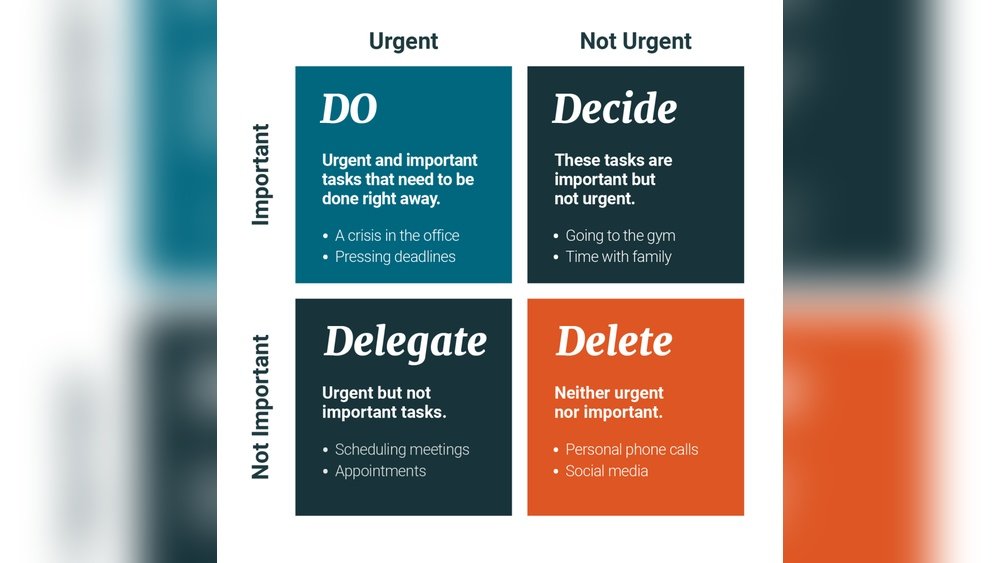
Use The Eisenhower Matrix
The Eisenhower Matrix divides tasks into four boxes. Each box represents a level of priority. Box one is urgent and important—do these tasks now. Box two is important but not urgent—schedule these tasks. Box three is urgent but less important—delegate if possible. Box four is neither urgent nor important—consider dropping these tasks.
Rank Tasks By Impact
Evaluate tasks based on their impact on your goals. Rank tasks from highest to lowest impact. Work on the highest impact tasks first. This strategy maximizes your results in less time. It helps you avoid spending time on low-impact work.
Set Clear Deadlines
Assign deadlines to each task. Deadlines create a sense of urgency. They prevent tasks from dragging on too long. Clear deadlines help you stay on track. Review and adjust deadlines as needed to stay realistic.
Break Large Tasks Into Smaller Steps
Big tasks can feel daunting. Break them into smaller, manageable steps. Prioritize these smaller steps to avoid procrastination. Completing small parts builds momentum. This makes the overall task easier to finish on time.
Create Effective Plans
Creating effective plans is key to managing your time well. A clear plan guides your day and helps you focus on tasks that matter most. It reduces stress and boosts productivity. Planning also prepares you for unexpected challenges.
Effective planning breaks down big tasks into smaller steps. It sets priorities and allocates time wisely. This keeps you on track and prevents feeling overwhelmed.
Create A Clear To-do List
Start with a simple to-do list. Write down all tasks you need to complete. Use short, clear phrases to describe each task. This helps you see what needs attention first. Update your list daily to stay organized.
Set Realistic Deadlines
Give each task a deadline you can meet. Avoid setting too many tight deadlines. Realistic deadlines reduce pressure and help maintain steady progress. They make your plan achievable and keep motivation high.
Use Time Blocks
Divide your day into blocks for specific tasks. Assign a start and end time for each block. This method keeps distractions low and focus high. Time blocks create a rhythm and improve work flow.
Review And Adjust Your Plan
Check your plan at the end of each day. Mark completed tasks and note unfinished ones. Adjust your plan based on what you accomplished. Flexible plans help you adapt and improve over time.
Prepare Before Working
Preparing before working sets a strong foundation for better time management. It helps you start tasks with a clear mind and all tools ready. This reduces delays and distractions during work sessions.
Taking time to prepare increases your focus and efficiency. It allows you to spend more time doing and less time searching or figuring out details.
Set Clear Goals
Write down what you want to achieve in each work session. Clear goals guide your efforts and keep you on track. They help avoid wasting time on unimportant tasks.
Gather Necessary Materials
Collect all documents, tools, and resources before starting. Having everything within reach saves time and stops interruptions. It makes the work process smoother and faster.
Create A Comfortable Workspace
Organize your desk or work area to suit your task. A neat, quiet space improves concentration and reduces stress. Adjust lighting and seating for comfort and focus.
Plan Your Time
Decide how long each task should take. Use a timer or schedule to keep pace. Planning prevents tasks from dragging and helps maintain steady progress.
Execute With Focus
Executing tasks with focus is essential for effective time management. It means working with clear attention on one task at a time. This approach helps reduce mistakes and speeds up progress. Focused execution leads to higher quality results and less wasted effort.
Distractions often break concentration and waste time. Learning to block out interruptions improves your ability to complete important tasks. Being present in the moment helps you finish work faster and with less stress.
Eliminate Distractions
Turn off notifications on your phone and computer. Close tabs or apps that are not related to your current task. Create a quiet workspace to improve concentration. Let others know your focus time to avoid interruptions.
Use Time Blocks
Set specific time periods for each task. Work only on the task during its block. Take short breaks after each time block to refresh your mind. This method keeps your energy steady and focus sharp.
Set Clear Goals
Define what you want to achieve before starting. Break big tasks into smaller, clear steps. This makes work easier to manage and track. Knowing your goals keeps your attention on what matters most.
Practice Mindfulness
Pay full attention to your current task. Notice when your mind starts to wander and gently bring it back. Mindfulness improves your ability to stay focused over time. It also reduces stress and increases satisfaction in your work.
Maintain Consistency
Maintaining consistency is crucial for effective time management. It builds habits that help complete tasks on time. Consistency reduces stress and increases productivity. Small daily efforts add up to big results over time.
Without consistency, even the best plans can fail. Regular routines create a sense of control and focus. This encourages steady progress and prevents last-minute rushes. Staying consistent helps manage energy and avoid burnout.
Set Realistic Goals
Start with goals you can achieve daily. Unrealistic goals cause frustration and disrupt consistency. Break larger tasks into smaller, manageable steps. This makes it easier to stay on track and finish tasks regularly.
Create A Daily Routine
Having a daily routine anchors your day. Plan specific times for work, breaks, and personal activities. A routine reduces decision fatigue and increases efficiency. Follow the routine strictly to build lasting habits.
Track Your Progress
Keep a simple record of your completed tasks. Tracking progress motivates you to keep going. It also helps identify patterns and areas needing improvement. Regular review supports maintaining consistency over time.
Limit Distractions
Distractions break your focus and harm consistency. Find a quiet workspace and turn off notifications. Use tools or apps to block distracting websites. Clear focus aids in completing tasks smoothly and on time.
Be Patient And Persistent
Consistency takes time to develop. Some days will be more productive than others. Do not get discouraged by occasional setbacks. Keep working steadily, and habits will strengthen with time.
Credit: www.usemotion.com
Track Your Time
Tracking your time is a key step in managing it well. It helps you see exactly where your hours go. This clear view allows you to use your time more wisely. Tracking creates awareness, which leads to better habits.
Many people think they know how they spend their day. But surprises often appear when they track their time closely. Small distractions or long breaks take more time than expected. Knowing this helps you cut wasted minutes and focus on what matters.
How To Track Your Time Effectively
Start by writing down all your tasks and activities. Use a notebook, app, or timer. Record the start and end times for each task. Be honest and detailed to get the best results. Track your time for at least three days to see patterns.
Benefits Of Tracking Your Time
Tracking time highlights tasks that drain your energy. It shows when you work best during the day. This information helps you plan important work for peak hours. It also reveals time spent on distractions that you can reduce.
Tools To Help Track Your Time
Many tools make time tracking simple and quick. Apps like Toggl, Clockify, or RescueTime run in the background. They collect data without much effort. Choose a tool that fits your style and needs to stay consistent.
Set Realistic Schedules
Setting realistic schedules is key to managing your time well. It helps you avoid stress and finish tasks on time. When your schedule matches your energy and time limits, you feel more in control. This practice leads to better focus and steady progress.
Unrealistic schedules cause frustration. They make you rush or miss deadlines. Realistic plans consider your daily habits and breaks. They allow room for unexpected events. This way, your day stays balanced and productive.
Understand Your Time Limits
Start by knowing how much time tasks really take. Track your work for a few days. See where you spend too much or too little time. Use this info to set fair time slots. This stops overloading your day.
Break Tasks Into Small Steps
Big tasks feel less scary when split into parts. Assign time to each small step. This makes your schedule clear and doable. You get a sense of progress with every step done.
Include Breaks And Buffers
Plan short breaks between tasks. They refresh your mind and body. Add extra time buffers for delays or surprises. This keeps your schedule flexible and less stressful.
Set Priorities For Your Tasks
Put the most important tasks first in your schedule. Less urgent tasks come later or on another day. Prioritizing helps you focus on what matters most. It prevents wasting time on low-value activities.
Review And Adjust Daily
Look at your schedule at the end of each day. Check what worked and what did not. Change your plan for the next day if needed. This keeps your schedule realistic and effective.
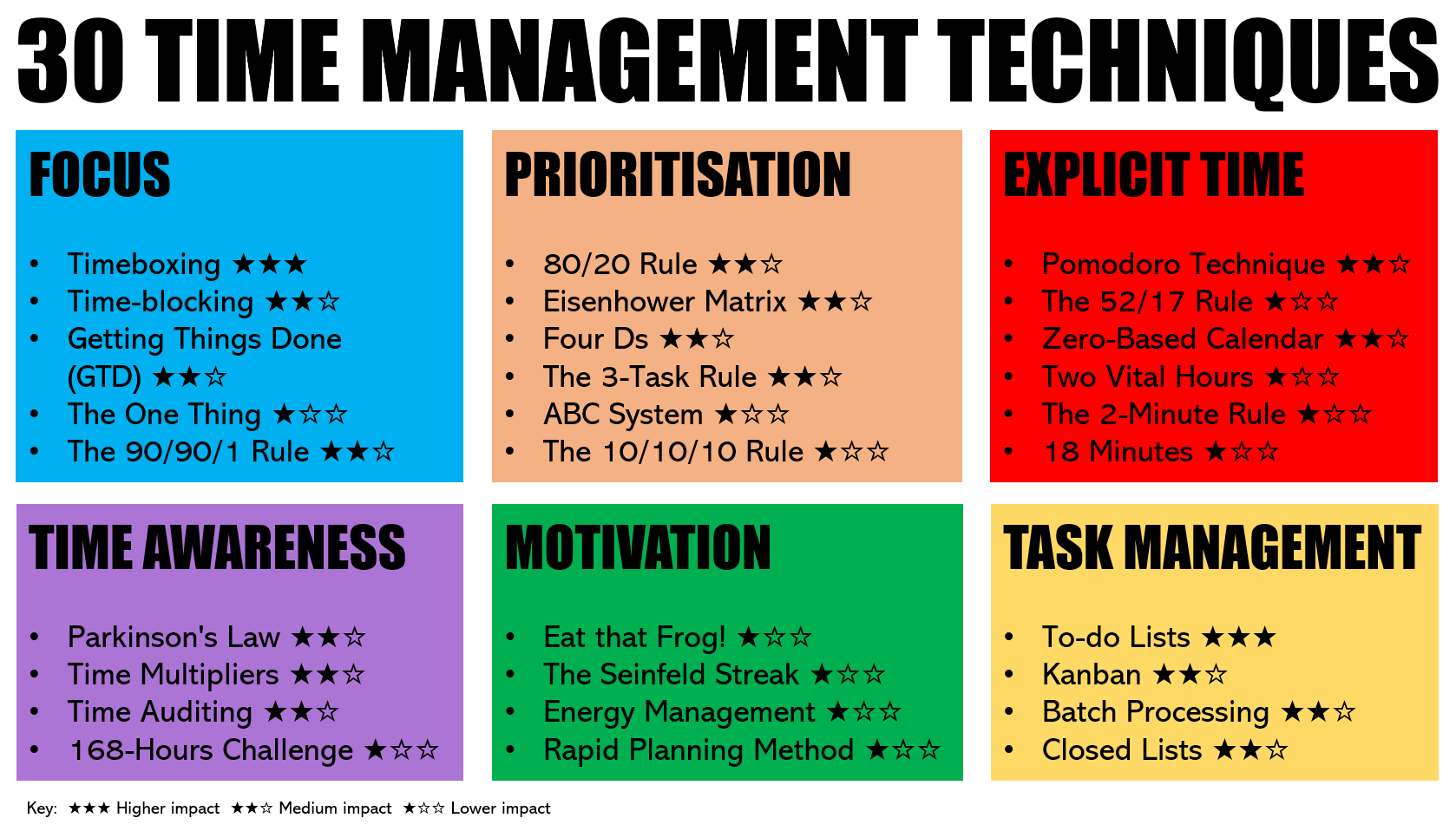
Credit: marczaosanders.substack.com
Manage Distractions
Managing distractions is key to effective time management. Distractions steal focus and reduce productivity. Learning to control interruptions helps complete tasks faster. It creates a work environment that supports concentration and efficiency.
Distractions come from many sources like phones, emails, and noisy surroundings. Recognizing these helps to limit their impact. Small changes in habits and environment lead to big improvements in focus.
Identify Common Distractions
Start by noting what pulls your attention away. Social media, messages, or background noise are usual culprits. Awareness is the first step to managing distractions. Keep a log for a few days to see patterns.
Create A Distraction-free Workspace
Choose a quiet and tidy place to work. Remove items that cause interruptions or tempt you to lose focus. Use noise-cancelling headphones if needed. A clean space helps your mind stay clear and engaged.
Set Clear Boundaries
Inform others about your work times to reduce unexpected interruptions. Turn off notifications on your devices during focused work. Use “Do Not Disturb” modes or apps to block distractions. Boundaries protect your time and energy.
Use Time Blocks For Focus
Divide your day into short, focused periods. Work for 25 to 50 minutes, then take a short break. This method reduces burnout and keeps your mind sharp. Time blocks create a rhythm that limits wandering attention.
Practice Mindfulness Techniques
Mindfulness strengthens your ability to notice distractions quickly. Simple breathing exercises help bring attention back to the task. Practicing mindfulness daily improves overall concentration and calmness.
Delegate When Possible
Delegating tasks frees up your time for more important work. It helps you focus on what only you can do. Sharing duties reduces your workload and stress. It also encourages teamwork and trust among colleagues or family members.
Identify Tasks To Delegate
Look for tasks that others can handle well. Choose repetitive or simple jobs to pass on. Avoid delegating critical decisions or tasks needing your expertise. Clear task selection improves efficiency and results.
Choose The Right Person
Pick someone with the skills to complete the task. Consider their experience and current workload. Match tasks with people who want to learn or grow. Proper choice leads to better outcomes and faster completion.
Communicate Clearly
Explain the task and expected results clearly. Provide all necessary information and resources. Set deadlines and check-in points. Clear instructions prevent mistakes and save time.
Trust And Support
Allow the person to work independently. Avoid micromanaging or doing the task yourself. Offer help if they ask for it. Trust builds confidence and improves teamwork.
Review And Give Feedback
Check the finished work on time. Give positive feedback and suggest improvements kindly. Use feedback to help others grow and improve. This encourages better work in the future.
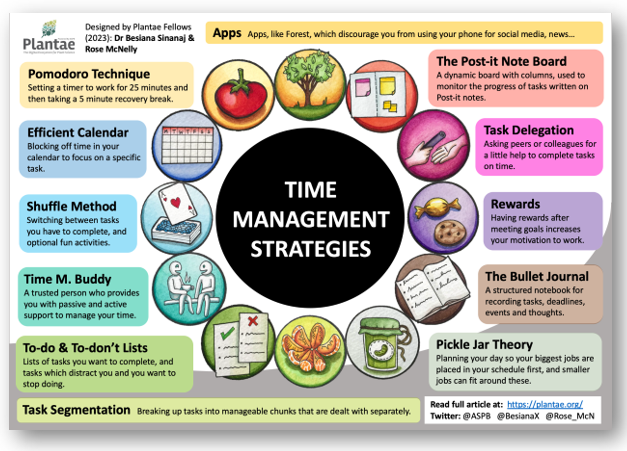
Credit: plantae.org
Balance Work And Rest
Balancing work and rest is key to managing time well. Without rest, energy and focus drop fast. Work becomes harder and less effective. Rest helps recharge the mind and body. It keeps you sharp and ready to handle tasks.
Good balance means planning work times and rest times carefully. It allows for steady progress without feeling worn out. Knowing when to pause helps avoid burnout and keeps stress low. This balance supports better health and consistent productivity.
Understanding The Need For Rest
Rest is not a waste of time. It is a crucial part of productivity. The brain needs breaks to process information and stay creative. Short rests during work improve focus and efficiency. Long rest periods like sleep restore energy fully. Without enough rest, mistakes and fatigue increase.
Scheduling Breaks Effectively
Set specific times for breaks in your daily plan. Use techniques like the Pomodoro method: 25 minutes work, 5 minutes break. Breaks help clear the mind and reduce stress. Avoid skipping breaks even when tasks seem urgent. Regular pauses keep energy steady throughout the day.
Balancing Personal Life And Work
Work should not take over all your time. Make room for hobbies, family, and relaxation. Personal activities refresh your mind and give a new perspective. This balance improves mood and motivation for work tasks. Set clear boundaries to separate work and personal time.
Signs You Need More Rest
Feeling tired or easily distracted shows rest is lacking. Irritability and low patience are warning signs. Declining work quality means your brain needs a break. Listen to your body and mind signals. Adjust your schedule to include more rest periods.
Frequently Asked Questions
What Are The 5 P’s Of Time Management?
The 5 P’s of time management are: Prioritize important tasks first. Plan your schedule clearly. Prepare by gathering resources. Perform tasks as planned. Persist by staying disciplined and improving consistently.
What Are The Major Techniques Of Time Management?
Major time management techniques include prioritizing tasks, planning schedules, preparing resources, performing tasks efficiently, and persisting with discipline. Use tools to organize, delegate tasks, avoid procrastination, and manage distractions for better productivity.
What Is The 7 8 9 Rule For Time Management?
The 7-8-9 rule divides your day into 7 hours of work, 8 hours of sleep, and 9 hours for personal activities. This balance boosts productivity, reduces stress, and prevents burnout. It guides intentional time allocation between rest, work, and life, promoting overall well-being and efficiency.
What Is The 3 3 3 Method For Managing Time?
The 3 3 3 method manages time by focusing on three tasks, three breaks, and three priorities daily. It boosts focus and prevents burnout.
What Are The Best Time Management Techniques For Beginners?
Start by prioritizing tasks, planning your day, and avoiding distractions for better focus.
How Can I Prioritize Tasks Effectively In Time Management?
List tasks by importance and deadlines, then focus on high-priority items first.
Why Is Planning Important In Managing Time Efficiently?
Planning helps organize tasks and allocate time wisely, reducing stress and missed deadlines.
How Does Preparing Before Tasks Improve Time Management?
Gathering all resources before starting saves time and keeps work smooth and focused.
What Role Does Persistence Play In Time Management?
Sticking to your plan builds discipline and improves productivity over time.
How Can I Stop Procrastinating And Manage Time Better?
Break tasks into smaller steps and set clear deadlines to stay motivated and focused.
Conclusion
Effective time management helps you complete tasks and reduce stress. Prioritize your work and plan your day clearly. Prepare well before starting each task for better focus. Take action and follow your schedule without delay. Stay consistent and adjust your methods as needed.
Balancing work, rest, and personal time keeps your mind fresh. Small, steady improvements lead to greater productivity and satisfaction. Practice these techniques daily to make the most of your time.