Have you ever looked at a chemical formula and wondered what those small numbers tucked behind the letters mean? Those tiny digits, called subscripts, hold the key to understanding exactly how many atoms of each element make up a molecule.
If you want to unlock the mystery behind chemical equations and grasp how substances combine or change, knowing what a subscript is—and how it works—is essential. You’ll discover the simple yet powerful role subscripts play in chemistry, why they never change when balancing equations, and how they help you make sense of reactions around you.
Ready to master this fundamental concept and boost your chemistry confidence? Let’s dive in!
Role Of Subscripts
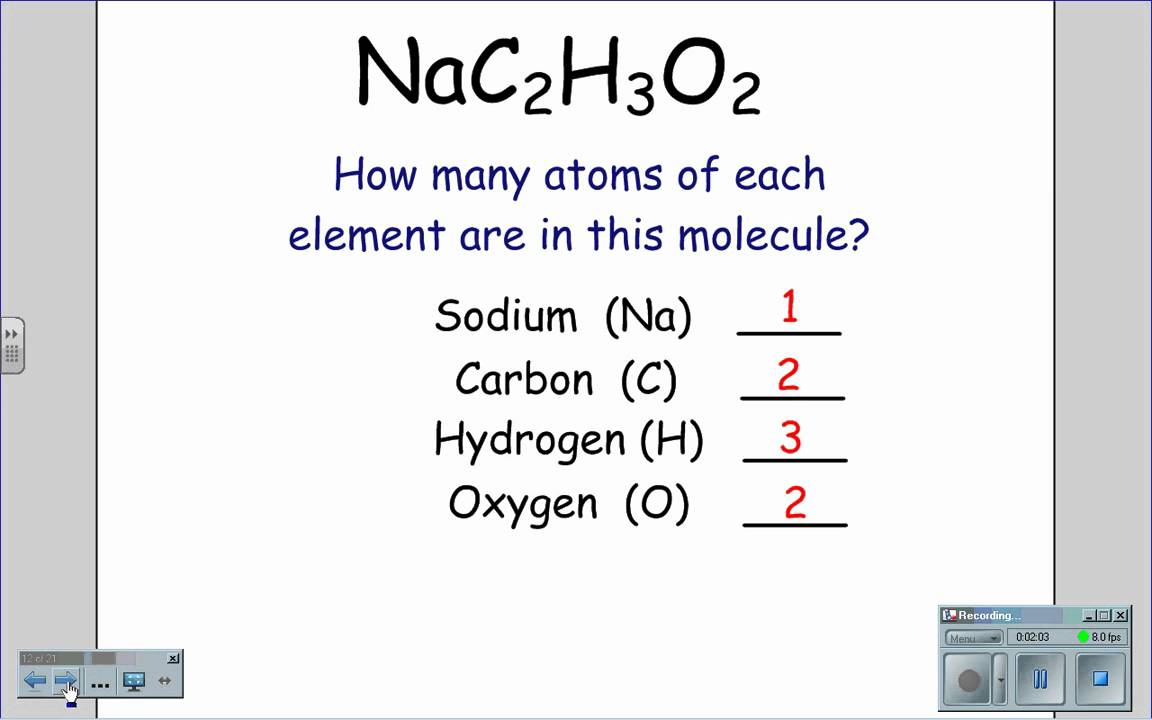
Subscripts show the number of atoms of an element in a molecule. They appear as small numbers beside element symbols. This helps describe the exact makeup of a chemical compound.
What Subscripts Mean
Subscripts show how many atoms of an element are in a molecule.
They are small numbers written below and to the right of element symbols.
For example, in H2O, the subscript 2 means there are two hydrogen atoms.
The oxygen atom has no number after it, so it means one atom.
How Subscripts Affect Chemical Formulas
Subscripts help write the exact formula of a compound.
They tell us the ratio of atoms in a molecule or formula unit.
Changing subscripts changes the compound itself, not just the amount.
For example, H2O is water, but H2O2 is hydrogen peroxide.
Difference Between Subscripts And Coefficients
Subscripts show atoms per molecule. Coefficients show molecules in a reaction.
In 2H2O, the 2 is a coefficient, meaning two water molecules.
Do not change subscripts to balance equations. Change coefficients instead.
This keeps the chemical identity of substances correct during reactions.
Credit: www.youtube.com
Subscript Placement
Subscript placement in chemical equations plays a key role in showing the number of atoms in a molecule. The subscript is a small number placed slightly below and to the right of an element’s symbol. It tells exactly how many atoms of that element are present in one molecule or formula unit.
Correct subscript placement ensures the chemical formula accurately represents the compound. Changing a subscript changes the meaning of the molecule. It can alter the chemical properties and identity of the substance.
Position Of Subscripts
Subscripts appear directly after the element symbol. They are always written lower and smaller than the symbol itself. For example, in H2O, the “2” is the subscript showing two hydrogen atoms.
Subscripts And Element Grouping
If a group of atoms appears more than once, subscripts follow the closing parenthesis. For example, in Ca(OH)2, the subscript “2” applies to both oxygen and hydrogen atoms inside the parentheses.
Difference Between Subscripts And Coefficients
Subscripts show the number of atoms within a molecule. Coefficients are whole numbers placed before the formula. They indicate how many molecules participate in a reaction. Changing subscripts changes the compound. Changing coefficients balances the equation without altering molecules.
Interpreting Subscripts
Interpreting subscripts is key to understanding chemical equations. Subscripts show the number of atoms of each element in a molecule. This helps explain the compound’s structure and its properties.
Each subscript is a small number placed to the lower right of an element symbol. It tells how many atoms of that element are in one molecule. If no subscript appears, it means there is only one atom of that element.
What Subscripts Mean
Subscripts indicate the count of atoms for each element in a molecule. For example, in H2O, the subscript 2 means there are two hydrogen atoms. The oxygen has no subscript, so it has one atom.
This simple notation helps chemists know the exact makeup of substances.
Changing Subscripts
Changing subscripts changes the compound itself. For example, H2O is water, but H2O2 is hydrogen peroxide. They are different chemicals.
Never change subscripts when balancing equations. It alters the substance, which is incorrect in chemical reactions.
Coefficients Vs. Subscripts
Coefficients are numbers placed before a formula. They tell how many molecules are involved. For example, 3H2O means three water molecules.
Subscripts count atoms in one molecule. Coefficients count molecules in the reaction.
Balancing Equations Using Subscripts
Balancing equations means making atom counts equal on both sides. You adjust coefficients, not subscripts. This keeps the chemical identity the same while obeying conservation of mass.
For example, in 2H2 + O2 → 2H2O, coefficients balance hydrogen and oxygen atoms without changing subscripts.

Credit: heroictechwriting.com
Difference From Coefficients
Understanding the difference between subscripts and coefficients is essential in chemistry. Both appear in chemical equations but serve distinct roles. Subscripts show the number of atoms within a molecule. Coefficients indicate how many molecules or units participate in a reaction.
What Is A Subscript?
A subscript is a small number written to the lower right of an element symbol. It tells how many atoms of that element exist in one molecule. For example, in H2O, the subscript “2” means there are two hydrogen atoms. The subscript never changes when balancing equations. Changing it alters the compound’s identity.
What Is A Coefficient?
A coefficient is a number placed in front of a chemical formula. It shows how many molecules or moles of that compound are involved in the reaction. For example, 2H2O means two water molecules. Coefficients can change during equation balancing to keep atoms equal on both sides.
Key Differences Between Subscripts And Coefficients
- Subscripts count atoms inside one molecule.
- Coefficients count whole molecules or formula units.
- Subscripts are fixed for a compound’s identity.
- Coefficients adjust to balance chemical equations.
- Changing subscripts changes the substance itself.
- Changing coefficients changes the amount used or produced.
Examples Of Subscripts
Subscripts show the number of atoms of each element in a molecule. They appear as small numbers below and to the right of element symbols. These numbers help us understand the exact composition of a compound.
Understanding examples of subscripts makes reading chemical formulas easier. Let’s explore some common examples to see how subscripts work in practice.
Water (H2O)Water is a simple molecule with the formula H2O. The subscript 2 after H means there are two hydrogen atoms. No subscript after O means there is one oxygen atom. Together, they form one water molecule.
Carbon Dioxide (CO2)Carbon dioxide has the formula CO2. The subscript 2 after O means two oxygen atoms are bonded to one carbon atom. This shows the exact number of atoms in one molecule of carbon dioxide.
Glucose (C6H12O6)Glucose is a sugar with the formula C6H12O6. The subscripts tell us there are six carbon, twelve hydrogen, and six oxygen atoms. Each subscript gives the count of atoms in one glucose molecule.
Impact On Chemical Formulas
Subscripts show how many atoms of an element are in one molecule. They appear as small numbers next to element symbols. Changing subscripts changes the compound itself, not just the amount.
Subscripts play a key role in chemical formulas. They show the exact number of atoms of each element in a molecule. This number affects the properties and behavior of the substance.
Without subscripts, the formula would not clearly represent the compound. The subscript helps to distinguish different compounds that contain the same elements but in different amounts.
How Subscripts Define Molecules
Subscripts tell how many atoms of an element exist in one molecule. For example, in H2O, the subscript 2 means two hydrogen atoms. The oxygen has no subscript, meaning there is only one atom.
This detail is crucial because even a small change in subscripts creates a different molecule. For instance, H2O (water) and H2O2 (hydrogen peroxide) have very different properties.
Subscripts Affect Chemical Reactions
The number of atoms shown by subscripts affects how substances react. Chemical equations use subscripts to show the exact makeup of reactants and products.
Changing a subscript changes the substance itself. For example, changing CO2 to CO would represent carbon dioxide and carbon monoxide, two different gases.
Difference Between Subscripts And Coefficients
Subscripts show atoms per molecule. Coefficients show the number of molecules. For example, 2H2O means two molecules of water. The subscript 2 means two hydrogen atoms in each molecule.
Balancing chemical equations requires changing coefficients, not subscripts. This keeps the molecules intact but adjusts the number of molecules reacting.
Rules For Changing Subscripts
Changing subscripts in a chemical equation follows strict rules. Subscripts show the number of atoms in a molecule. Altering them changes the compound itself. This can lead to incorrect chemical formulas.
Balancing equations requires changing coefficients, not subscripts. Coefficients adjust the number of molecules, keeping the formulas intact. This preserves the identity of the substances involved.
Do Not Change Subscripts To Balance Equations
Subscripts define the exact makeup of a molecule. Changing them means creating a new chemical. This breaks the law of conservation of mass. Always adjust coefficients to balance atoms on both sides.
Use Coefficients To Show Quantity
Coefficients are whole numbers placed before formulas. They multiply all atoms inside the molecule. This keeps the chemical structure the same. Coefficients tell how many molecules participate in the reaction.
Subscripts Are Fixed For Each Compound
Each compound has unique subscripts. These represent its atomic structure. Changing subscripts changes the compound’s identity. For example, H2O is water. Changing it to H2O2 forms hydrogen peroxide, a different chemical.
Balancing Equations Basics
Balancing chemical equations is a key skill in chemistry. It ensures that the equation follows the law of conservation of mass. This law states that matter cannot be created or destroyed in a chemical reaction. So, the number of atoms of each element must be equal on both sides of the equation.
Understanding subscripts is important for balancing equations. Subscripts show how many atoms of an element are in a molecule. They are part of the chemical formulas on both sides of an equation. When balancing, you adjust coefficients, not subscripts, to keep the molecules intact.
What Are Subscripts In Chemical Equations?
Subscripts are small numbers written below and to the right of an element symbol. They tell you the number of atoms of that element in one molecule. For example, in H2O, the subscript 2 means there are two hydrogen atoms. Oxygen has no subscript, so it has one atom.
Difference Between Subscripts And Coefficients
Coefficients are numbers placed before a chemical formula. They show how many molecules or units are involved in the reaction. Changing coefficients changes the amount of molecules, not the atoms inside them. Changing subscripts changes the molecule itself, which is not allowed in balancing.
How To Balance Chemical Equations
Start by counting atoms of each element on both sides. Add coefficients to make the numbers equal. Never change subscripts during balancing. Check each element carefully and adjust coefficients step by step. The equation is balanced when all atoms match on both sides.
Common Mistakes With Subscripts
Understanding subscripts in chemical equations is essential for writing accurate formulas. Mistakes with subscripts can lead to wrong interpretations of chemical compounds. These errors often confuse beginners and can affect balancing equations. Avoiding common subscript mistakes helps maintain clarity and correctness in chemistry.
Incorrectly Changing Subscripts To Balance Equations
Changing subscripts to balance chemical equations is a frequent error. Subscripts show the number of atoms in a molecule. Adjusting them changes the compound itself. Correct balancing uses coefficients, not subscripts.
Misreading Subscripts As Coefficients
Subscripts and coefficients look similar but mean different things. A subscript is a small number near an element symbol. A coefficient is a number placed before the formula. Confusing these leads to wrong chemical interpretations.
Ignoring Subscripts In Polyatomic Ions
Polyatomic ions often have subscripts inside parentheses. Ignoring these subscripts causes incorrect formulas. Always multiply the subscript outside the parentheses by the one inside. This ensures the right number of atoms.
Writing Subscripts As Normal-sized Numbers
Subscripts should be small and lower than the element symbol. Writing them as normal numbers causes confusion. Proper formatting shows the number of atoms clearly and maintains scientific accuracy.

Credit: flexbooks.ck12.org
Subscripts In Complex Compounds
Subscripts in complex compounds play a crucial role in showing the exact number of atoms in a molecule. These subscripts help us understand the structure and composition of the compound. Complex compounds often contain groups of atoms bonded together, and subscripts clarify how many of each atom exist within those groups.
Without subscripts, chemical formulas would be unclear and confusing. They guide chemists to know the precise makeup of substances and how atoms combine. Let’s explore how subscripts function in complex compounds and why they matter in chemistry.
Understanding Subscripts In Polyatomic Ions
Polyatomic ions are groups of atoms that act as a single charged unit. The subscript shows how many atoms of each element are inside the ion. For example, in sulfate (SO42-), the 4 means there are four oxygen atoms. The subscript helps keep track of these atoms clearly.
Subscripts In Hydrates And Their Importance
Hydrates are compounds that include water molecules within their structure. The subscript after the dot tells how many water molecules are attached. For example, copper sulfate pentahydrate is written as CuSO4·5H2O. The 5 shows five water molecules per formula unit.
Using Parentheses With Subscripts
Parentheses group atoms that repeat in a compound. The subscript outside the parentheses multiplies all atoms inside. For example, in calcium nitrate Ca(NO3)2, the 2 means two nitrate groups. This means two nitrogen and six oxygen atoms total.
Frequently Asked Questions
What Is The Subscript In A Chemical Equation?
A subscript in a chemical equation is a small number next to an element symbol. It shows how many atoms of that element are in one molecule. Subscripts help represent the exact composition of compounds without changing the chemical identity.
What Is An Example Of A Subscript?
A subscript is a small number written below and to the right of an element symbol. For example, in H₂O, the “2” shows two hydrogen atoms.
What Are Subscripts In An Equation?
Subscripts in an equation are small numbers beside element symbols. They show how many atoms of that element exist in one molecule. Subscripts define the compound’s composition and remain unchanged when balancing chemical equations.
What Does A Subscript 4 After A Si Mean?
A subscript 4 after Si means the molecule contains four silicon atoms. It shows the exact number of atoms in the compound.
What Is A Subscript In A Chemical Equation?
A subscript is a small number next to an element symbol showing atom count in a molecule.
How Do Subscripts Differ From Coefficients In Chemistry?
Subscripts show atoms in one molecule; coefficients show number of molecules in a reaction.
Why Are Subscripts Important In Chemical Formulas?
They tell how many atoms of each element are in a compound, defining its identity.
Can Subscripts Be Changed When Balancing Equations?
No, changing subscripts changes the compound; only coefficients should be changed to balance.
What Does The Subscript 2 Mean In H₂o?
It means there are two hydrogen atoms in one water molecule.
How Do Subscripts Affect The Chemical Formula Meaning?
They specify exact atom numbers, which determine the chemical’s properties and behavior.
Conclusion
Subscripts show how many atoms of each element exist in a molecule. They are small numbers written next to element symbols. Changing subscripts changes the chemical itself. Coefficients, not subscripts, balance chemical equations. Understanding subscripts helps you read and write chemical formulas correctly.
This knowledge is key to learning basic chemistry. Keep practicing to recognize subscripts easily in equations. It makes chemistry simpler and clearer for everyone.